

Based on your book
Sapiens: A Brief History of Humankind
by Yuval Noah Harari
Sapiens isn't just a history book; it's a profound examination of what it means to be human. Yuval Noah Harari takes us on an epic journey from the Stone Age to the present, not simply recounting events, but dissecting the very forces that shaped our species. He explores the pivotal revolutions – cognitive, agricultural, scientific – and unpacks the powerful fictions we've collectively created, like money, religions, and nations. Reading this book feels like having a brilliant friend lay out a comprehensive, often unsettling, but utterly compelling argument about our past, present, and potential future. It’s an expansive, analytical, and deeply thought-provoking experience that will have you constantly pausing to rethink your most basic assumptions. This is for the curious mind that loves to grapple with big ideas and challenge conventional wisdom about human civilization.
10 Books similar to 'Sapiens: A Brief History of Humankind'
If Sapiens: A Brief History of Humankind sparked a hunger for more sweeping narratives and challenging perspectives, our recommendations are tailor-made for you. We've handpicked books that echo Harari's ambitious scope, offering multidisciplinary insights into the grand forces that have shaped human civilization. Each selection invites you to zoom out and reconsider fundamental assumptions about our past, present, and future, whether through historical deep dives, cultural analysis, or a keen focus on power dynamics.
As an Amazon Associate, we earn from qualifying purchases.
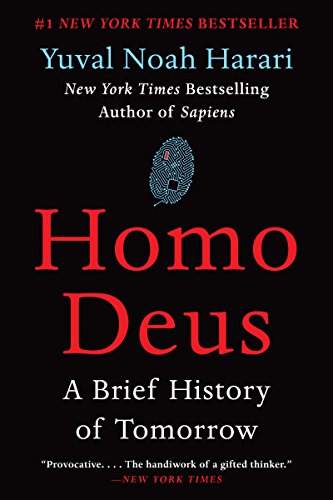
This direct sequel to Sapiens extends Harari's grand narrative into the future, exploring what might happen to humanity as we gain god-like abilities through technology. Readers will appreciate the continuation of his thought-provoking style, broad historical context, and speculative insights into the destiny of our species.

Jared Diamond's Pulitzer-winning work offers a sweeping explanation for why human societies developed so differently across continents, focusing on environmental and geographical factors. Like Sapiens, it provides a "big picture" historical narrative that challenges conventional wisdom and offers profound insights into the forces shaping human civilization.
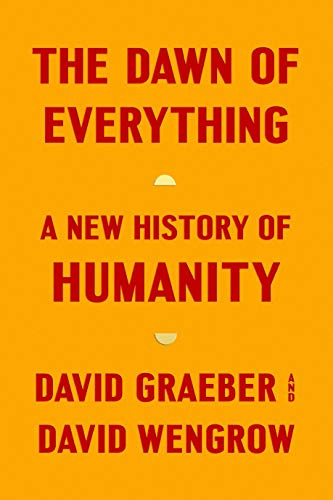
by David Graeber and David Wengrow
This ambitious work challenges many of the foundational assumptions about early human history presented in books like Sapiens, arguing that our ancestors experimented with diverse forms of social organization. Fans of Harari's broad scope and willingness to question established narratives will find this a stimulating, intellectually rigorous, and equally expansive read.

Jared Diamond examines the environmental and societal factors that have led to the collapse of past civilizations, drawing lessons for our present and future. Similar to Sapiens, it takes a multidisciplinary approach to large-scale historical patterns, offering a sobering yet analytical look at humanity's impact on its environment and its capacity for self-destruction.

Prefer to listen?
Try Audible and hear the story instead of reading it.
As an Amazon Associate, we earn from qualifying purchases.

Steven Pinker presents a data-driven argument for the remarkable progress humanity has made in health, wealth, safety, and happiness, attributing it to the values of the Enlightenment. While potentially more optimistic than Sapiens, it shares the same grand scope, analytical rigor, and commitment to understanding the trajectory of human civilization through a scientific lens.

by Carl Sagan
Carl Sagan's iconic work takes readers on a breathtaking journey through the universe, exploring humanity's place within the vastness of space and time, and the history of scientific discovery. Like Sapiens, it offers a grand, accessible narrative that blends science, history, and philosophy, inspiring wonder and a deeper understanding of our existence.

David Graeber meticulously re-examines the history of debt, challenging conventional economic narratives and revealing how it has shaped societies and human relationships across millennia. This book shares Sapiens' ambition to reframe fundamental aspects of human history, using a vast anthropological and historical scope to reveal the hidden structures of our world.

Daniel Lieberman explores the evolutionary journey of the human body, explaining how our ancient adaptations clash with modern lifestyles, leading to many contemporary health issues. This book offers a deep dive into the biological underpinnings of humanity, much like Sapiens delves into our cognitive and social evolution, providing a scientific and historical perspective on who we are.
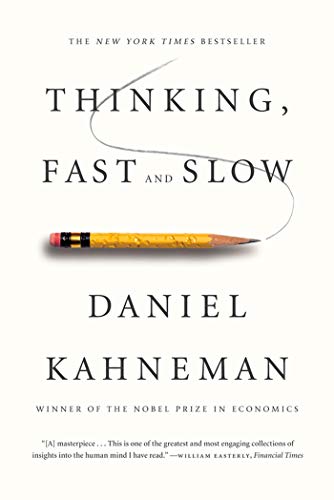
Daniel Kahneman, a Nobel laureate, explores the two systems that drive our thinking, revealing the biases and heuristics that shape human judgment and decision-making. While more focused on psychology, it resonates with Sapiens' exploration of the "cognitive revolution" and how our unique minds have shaped our history and continue to influence our future.

by Daron Acemoglu and James A. Robinson
Daron Acemoglu and James A. Robinson investigate the institutional differences that explain why some nations are rich and others are poor, tracing these patterns through centuries of history. Like Sapiens, it offers a grand, comparative historical analysis, seeking to uncover the fundamental drivers behind the divergent paths of human societies and their political and economic structures.

Love to read on the go?
Explore Kindle e-readers and take your books with you.
As an Amazon Associate, we earn from qualifying purchases.
As an Amazon Associate, we earn from qualifying purchases.