

Based on your book
Sapiens
by Harari, Yuval Noah
Sapiens is a sprawling, ambitious attempt to map the entire trajectory of the human species, from our humble beginnings as insignificant apes to our current status as the dominant, planet-altering force. Harari strips away the myths we tell ourselves about progress and civilization, instead examining the shared fictions—money, religion, corporations, and human rights—that have allowed us to cooperate in massive numbers. The reading experience is cerebral and often unsettling; it feels like sitting in a high-level lecture where the professor is determined to dismantle your most deeply held assumptions. The pacing is relentless, moving through millennia at a clip that keeps you constantly off-balance. This is written for the reader who wants to zoom out as far as possible, someone who enjoys feeling intellectually provoked and is comfortable with the existential vertigo that comes from viewing humanity as just another biological phenomenon.
10 Books similar to 'Sapiens'
If the sweeping scope of Sapiens sparked a desire to rethink the foundations of our world, these selections are your next logical steps. We chose these titles because they share that same appetite for macro-history and interdisciplinary analysis. Whether you are interested in the economic engines of debt, the geographical accidents that dictated power, or the revisionist origins of our social structures, these authors challenge the status quo with the same analytical rigor. They turn the lens of history toward the mechanisms of our success and the patterns of our potential collapse.
As an Amazon Associate, we earn from qualifying purchases.

Like Sapiens, this book offers a sweeping, interdisciplinary look at human history, focusing on environmental and geographical factors that shaped the development of civilizations. It provides the same macro-historical perspective that challenges readers to rethink the trajectory of human progress.

by Will Durant
This concise work distills thousands of years of human experience into essential patterns, mirroring Harari's ability to synthesize vast amounts of historical data into digestible insights. It serves as a perfect companion for those who enjoy Harari's philosophical approach to understanding human nature.

by Bill Bryson
Bryson matches Harari's talent for making complex scientific and historical concepts accessible and entertaining for a general audience. While it covers physical science alongside human history, it shares the same awe-inspiring scope and conversational, witty narrative style.

Pinker utilizes a similar data-driven, analytical framework to examine the long-term trends of human behavior and societal evolution. Readers who appreciated Harari's examination of how humans have changed over millennia will find this deep dive into the history of violence equally compelling.

Not sure what they've already read?
Let them pick their next favorite with an Amazon Gift Card.
As an Amazon Associate, we earn from qualifying purchases.

Graeber challenges conventional economic history with the same iconoclastic spirit that Harari applies to biological and social history. It offers a fascinating, revisionist look at how human societies have organized themselves through the lens of debt and social obligation.

by Daron Acemoglu and James A. Robinson
This book explores the institutional and political drivers of human success, offering a structural explanation for global inequality that complements Harari’s evolutionary perspective. It is essential reading for those interested in the 'why' behind the current state of human civilization.
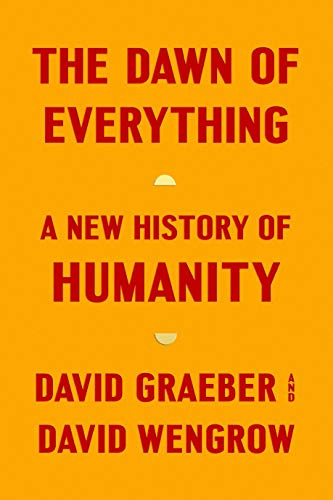
by David Graeber and David Wengrow
Directly challenging many standard evolutionary narratives, this book provides a fresh, provocative look at the origins of human society, politics, and inequality. It is the perfect counterpoint or companion to Sapiens, encouraging readers to question established historical dogma.
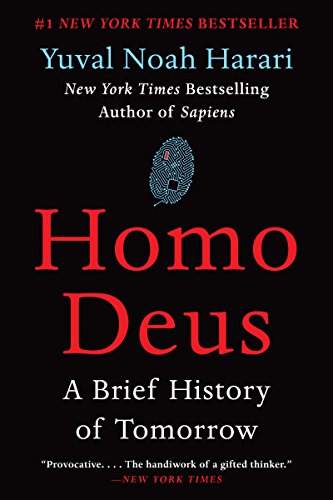
As the direct sequel to Sapiens, this book shifts focus from the past to the future, exploring the potential trajectory of humanity as we merge with technology. It maintains the same narrative voice and thematic focus on the capabilities and limitations of our species.

Frankopan shifts the center of historical gravity away from the West, providing a broader, more interconnected view of human history that resonates with Harari's global outlook. It is a masterful re-examination of the networks and trade routes that truly built our modern world.

This book provides a cautionary look at how environmental degradation and societal rigidity can lead to the downfall of civilizations. Fans of Sapiens will appreciate the focus on human-environment interaction and the lessons we can learn from past societies to avoid our own potential collapse.

Prefer to listen?
Try Audible and hear the story instead of reading it.
As an Amazon Associate, we earn from qualifying purchases.
As an Amazon Associate, we earn from qualifying purchases.