

Based on your book
Satantango
by László Krasznahorkai
László Krasznahorkai's "Satantango" isn't a book you read quickly; it's a profound, almost hypnotic immersion into a world on the brink of collapse. You'll find yourself in a rain-soaked, decaying Hungarian village, populated by a handful of inhabitants clinging to faded hopes and harboring deeply buried betrayals. The narrative unfolds with a relentless, deliberate pace, often through long, winding sentences that mimic the characters' sense of stasis and their desperate, often futile, internal monologues. It’s a deeply atmospheric experience, thick with melancholy and a quiet, disturbing dread. This is a book for readers who appreciate a challenging, philosophical journey, who aren't afraid of bleak landscapes and moral ambiguity, and who seek a story that settles into your bones long after the final page.
10 Books similar to 'Satantango'
If the profound sense of existential despair and the desolate, isolated atmosphere of "Satantango" resonated with you, then you're in for a treat with these recommendations. We've curated this list for readers who appreciate literature that delves into the decay of individuals and societies, often through challenging, immersive prose. You'll find a shared exploration of moral ambiguity, the haunting weight of the past, and a deep-seated melancholy that permeates every page, much like the rain in Krasznahorkai's unforgettable village.
As an Amazon Associate, we earn from qualifying purchases.

by W.G. Sebald
Fans of "Satantango" will appreciate Sebald's melancholic, philosophical prose, which similarly explores themes of historical decay, memory, and profound loss through long, winding sentences and an atmospheric narrative. Both books evoke a sense of individuals adrift in a world marked by past traumas and an uncertain future, delivered with a deliberate, reflective pace.
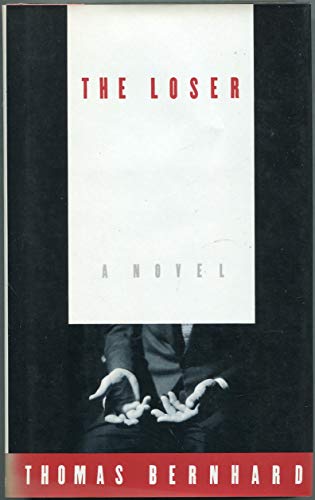
Bernhard's intense, monologic style and cynical worldview will resonate with readers who enjoy Krasznahorkai's bleak observations on human nature and society. The novel delves into the obsessive psychology of its characters, trapped by their own intellect and a sense of inescapable futility, mirroring the existential despair found in "Satantango."

For those drawn to the gritty, bleak, and disturbing atmosphere of "Satantango," McCarthy's masterpiece offers a similar journey through a hellish landscape, where humanity's darkest impulses are laid bare. It shares a philosophical depth regarding violence, fate, and the unforgiving nature of existence, presented with a powerful, unsparing prose style.

by Jon Fosse
Fosse's meditative, stream-of-consciousness narrative and exploration of existential themes will appeal to readers who appreciate "Satantango's" slow, immersive pacing and profound reflections. The novel's bleak, atmospheric setting and repetitive, hypnotic prose create a unique sense of spiritual yearning and despair, much like Krasznahorkai's work.

Love to read on the go?
Explore Kindle e-readers and take your books with you.
As an Amazon Associate, we earn from qualifying purchases.

by Juan Rulfo
This novel shares "Satantango's" powerful sense of a decaying rural setting, where the past haunts the present and characters are trapped in a cycle of futility and despair. Rulfo's non-linear structure and ghostly atmosphere, centered around a desolate town and its lost inhabitants, will resonate with fans of Krasznahorkai's bleak and atmospheric storytelling.

Readers who enjoy "Satantango's" blend of a rural, isolated setting with philosophical musings and dark undertones will find a kindred spirit in Tokarczuk's novel. It features an eccentric narrator, a slow-burn mystery, and a pervasive sense of moral decay and impending doom, all delivered with a unique and thought-provoking voice.

For those captivated by the existential dread and absurdism in "Satantango," Beckett's novel offers a deeply introspective journey into the mind of a dying man. It shares a profound sense of futility, a bleak and minimalist style, and a focus on the internal landscape of despair, stripping away external reality to confront the essence of existence.

Lispector's intense, stream-of-consciousness exploration of consciousness and existence will appeal to readers who appreciate the deep philosophical and psychological complexity of "Satantango." The novel delves into a profound internal unraveling, challenging perceptions of self and reality with a demanding yet rewarding prose style that mirrors Krasznahorkai's depth.

by Bruno Schulz
Schulz's lyrical, dreamlike prose and depiction of a decaying, melancholic world will resonate with readers who appreciate the unique atmosphere and profound sense of loss in "Satantango." While more surreal, it shares a focus on memory, the past, and the slow unraveling of a once-vibrant reality, presented with a distinct and evocative narrative voice.

Walser's novel offers a similarly observational and introspective narrative, focusing on a protagonist's quiet despair and detachment within a peculiar institution. The slow, deliberate pacing and the protagonist's unique, often ambiguous perspective on life and society will appeal to those who appreciate the subtle critiques and melancholic atmosphere of "Satantango."

Not sure what they've already read?
Let them pick their next favorite with an Amazon Gift Card.
As an Amazon Associate, we earn from qualifying purchases.
As an Amazon Associate, we earn from qualifying purchases.