

Based on your book
Save The Cat! The Last Book on Screenwriting You'll Ever Need
by Blake Snyder
Blake Snyder does not care about your artistic angst; he cares about whether your screenplay sells. This book strips away the mystery of Hollywood success, replacing it with the famous beat sheet, a rigid, fifteen-point roadmap that maps out exactly when your hero should face their demons or have their all-is-lost moment. The tone is punchy, pragmatic, and occasionally abrasive, reading more like a veteran producer giving you a reality check over coffee than a textbook. It is a masterclass in efficiency, designed for writers who want to stop guessing and start engineering their plots for maximum impact. If you prefer intuition over architecture, you will likely find it stifling. But for the writer who feels lost in the middle of a draft or wants to understand the mechanical heartbeat of a blockbuster, this is an essential, high-octane manual for professional storytelling.
10 Books similar to 'Save The Cat! The Last Book on Screenwriting You'll Ever Need'
If you finished this book and found yourself craving a deeper understanding of narrative mechanics, you are ready to expand your technical library. We selected these titles because they bridge the gap between Snyder’s practical, beat-driven formulas and the broader philosophies of structural storytelling. Whether you want to explore the psychological science behind why audiences connect with characters or look for the cynical, behind-the-scenes truth of the industry, these picks offer a nuanced evolution of the hero's journey. They treat writing less like a mystical act and more like a craft you can actually master through study.
As an Amazon Associate, we earn from qualifying purchases.

by John Truby
Like Snyder, Truby focuses on the structural mechanics of storytelling but takes a more organic, character-driven approach. It is essential for writers who want to understand the deep architecture behind a compelling narrative.

by Robert McKee
Often considered the 'bible' of screenwriting, McKee’s work provides a comprehensive, rigorous look at narrative theory that complements Snyder’s more formulaic 'beat sheet' approach. It offers a deeper, more academic perspective on what makes a story resonate.

by John Yorke
Yorke provides a fascinating, structural analysis of why stories are told the way they are, tracing universal patterns across literature and film. It offers a more scholarly, yet highly accessible, companion to Snyder’s practical advice.

This book bridges the gap between Joseph Campbell’s hero myths and modern Hollywood storytelling. Fans of Snyder will appreciate how Vogler breaks down complex archetypes into actionable, structural steps.

Love to read on the go?
Explore Kindle e-readers and take your books with you.
As an Amazon Associate, we earn from qualifying purchases.

by Syd Field
Syd Field is the grandfather of the three-act structure, and his work established the paradigm that Snyder later refined. It is a foundational text that any student of the 'Save the Cat' method needs to read for historical context.

by Thomas Lennon and Robert Ben Garant
While Snyder is earnest and structured, this book offers a hilarious, cynical, and brutally honest look at the actual business of Hollywood. It provides the 'real-world' counterpoint to the craft-focused advice of 'Save the Cat'.

by Stephen King
King combines practical advice on the mechanics of writing with a personal narrative about the creative life. It shares Snyder's passion for the craft but focuses more on the daily discipline and voice of the writer.

This is the ultimate source material for the 'Hero's Journey' structure that informs so much of Snyder's beat sheet. It is a dense, academic exploration of the patterns that underpin almost every successful story in history.

by Lisa Cron
Cron focuses on the cognitive science of why we love stories, offering a modern, psychological approach to structure. It is perfect for writers who want to understand the 'why' behind the 'what' of Snyder’s beats.
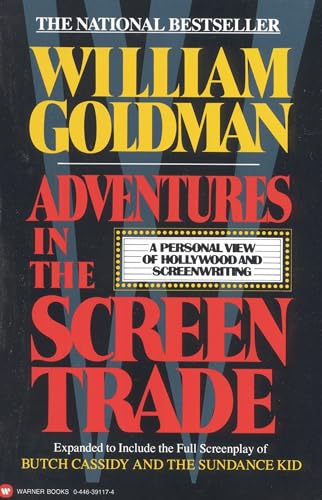
Goldman’s classic memoir offers an insider's view of the film industry, filled with wisdom and anecdotes that validate the structural struggles Snyder addresses. It captures the 'vibe' of professional screenwriting better than almost any other book.

Not sure what they've already read?
Let them pick their next favorite with an Amazon Gift Card.
As an Amazon Associate, we earn from qualifying purchases.
As an Amazon Associate, we earn from qualifying purchases.