

Based on your book
Schizophrenia and Genetics
by Jay Joseph
Schizophrenia and Genetics" isn't a book about finding answers, but about critically examining the questions themselves. Jay Joseph meticulously dissects decades of research into the genetic causes of schizophrenia, revealing the significant methodological shortcomings that have plagued the field. This is a dense, analytical journey that asks you to think critically alongside the author, challenging deeply ingrained assumptions about mental illness. The experience is like being invited into a high-level academic debate, where every piece of evidence is scrutinized, and no claim is taken at face value. It's for readers who appreciate intellectual rigor, who enjoy peeling back the layers of scientific consensus, and who are ready to engage with a complex, thought-provoking argument that reshapes how we view not just schizophrenia, but the very nature of human behavior and the power dynamics within scientific research.
10 Books similar to 'Schizophrenia and Genetics'
If Jay Joseph's incisive critique in "Schizophrenia and Genetics" resonated with you, you'll find plenty more to ponder in our curated list. These books continue the conversation by pulling back the curtain on the behind-the-scenes workings of psychiatry, offering a deep cultural analysis of how mental illness is understood and treated. They share Joseph's spirit of intellectual rebellion, challenging established power dynamics within the medical system and pushing us to rethink the very foundations of mental health care. You'll find authors who, like Joseph, aren't afraid to question the prevailing narratives and demand a more nuanced, evidence-based understanding.
As an Amazon Associate, we earn from qualifying purchases.

This book offers a meticulously researched and critical examination of the long-term effects of psychiatric drugs, arguing that they often worsen outcomes for mental illness. Readers who appreciate Jay Joseph's challenging of mainstream psychiatric narratives and his focus on evidence-based critique will find Whitaker's work compelling and deeply informative.

Whitaker provides a comprehensive historical account of psychiatric treatments in the U.S., revealing how scientific missteps and institutional biases have shaped approaches to mental illness. Fans of Joseph's historical and critical analysis of psychiatric theories will appreciate this deep dive into the origins of current practices.

by Thomas Szasz
A foundational text in critical psychiatry, Szasz controversially argues that 'mental illness' is a metaphor for problems in living, not a biological disease, challenging the very premise of psychiatric diagnosis. Readers who value Joseph's fundamental questioning of psychiatric models will find Szasz's intellectual rigor and provocative arguments highly stimulating.

Harrington meticulously chronicles psychiatry's century-long quest to find biological causes for mental illness, including schizophrenia, and the repeated failures and shifts in scientific paradigms. This book directly aligns with Joseph's critical examination of the genetic hypothesis and the broader scientific challenges in understanding mental disorders.

Not sure what they've already read?
Let them pick their next favorite with an Amazon Gift Card.
As an Amazon Associate, we earn from qualifying purchases.

by Anne Fadiman
This non-fiction masterpiece explores the tragic cultural clash between a Hmong family's traditional beliefs about illness and the American medical system's approach to their daughter's epilepsy. While not about schizophrenia, it offers a profound, nuanced look at the social and cultural construction of illness, diagnosis, and treatment, resonating with Joseph's broader critique of medical paradigms.
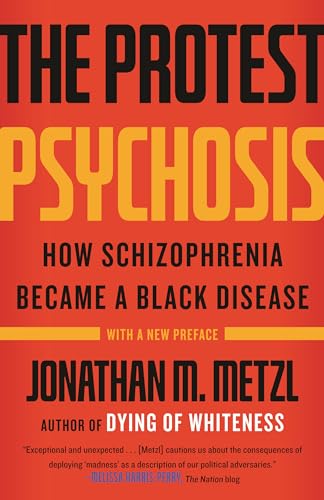
Metzl uncovers the disturbing history of how schizophrenia diagnoses became racialized in the mid-20th century, particularly in response to civil rights activism. This book offers a powerful social and political critique of psychiatric diagnosis, echoing Joseph's focus on the social determinants and historical biases within mental health.

A seminal work in sociology, Goffman's 'Asylums' provides a groundbreaking analysis of 'total institutions,' particularly mental hospitals, and their profound impact on the identity and social roles of patients. Readers interested in the societal and systemic aspects of mental illness, beyond just the biological, will find this critical examination of institutional life highly relevant.

by R.D. Laing
Laing challenges conventional psychiatric views by exploring schizophrenia from an existential-phenomenological perspective, emphasizing the subjective experience of the individual and the social context of their 'madness.' This book offers a profound, humanistic counter-narrative to biological reductionism, appealing to readers who appreciate Joseph's critical and nuanced approach to mental health.

by Pete Earley
Journalist Pete Earley chronicles his personal, harrowing journey through the American mental health system while trying to get help for his son, who has bipolar disorder. This deeply personal yet investigative account exposes the systemic failures and human costs of a broken system, resonating with readers who are critical of current mental health care practices and policies.

Mukherjee delivers an epic 'biography' of cancer, tracing its history, scientific understanding, treatments, and societal impact across millennia. While about cancer, its rigorous intellectual depth, comprehensive historical scope, and exploration of scientific triumphs and failures will deeply engage readers who admire Joseph's analytical approach to complex medical and scientific narratives.

Love to read on the go?
Explore Kindle e-readers and take your books with you.
As an Amazon Associate, we earn from qualifying purchases.
As an Amazon Associate, we earn from qualifying purchases.