
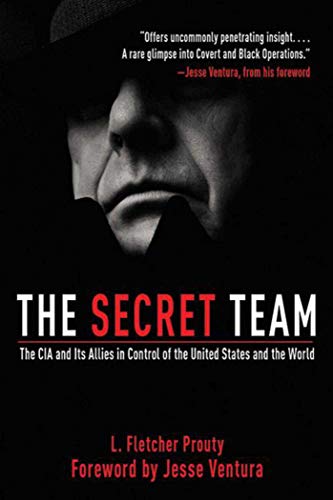
Based on your book
Secret Team
by Prouty, L. Fletcher
L. Fletcher Prouty was an insider, a military man with a front-row seat to the machinery of American foreign policy during the Cold War. In Secret Team, he pulls back the curtain on the clandestine organizations that operated outside the view of the public and, often, outside the reach of the government itself. This is not a casual history book; it is a cold, calculated dissection of how power is actually wielded when the cameras are off. The tone is clinical and urgent, stripping away the patriotic veneer of mid-century politics to expose a network of corporate interests and intelligence agencies working in lockstep. If you are the type of reader who finds mainstream historical narratives suspicious and prefers to map out the underlying architecture of global control, this book will feel like finding a missing piece of a very dark puzzle.
10 Books similar to 'Secret Team'
If the unsettling revelations of Secret Team left you wanting more, these selections are for you. We curated this list to mirror the investigative rigor and systemic skepticism found in Prouty’s work. Whether you are tracking the rise of the intelligence state in The Devil’s Chessboard or examining the human cost of global intervention in The Jakarta Method, each title shares the same commitment to exposing the shadow government. These books move beyond simple conspiracy theory, providing a structural look at how political intrigue and corporate influence have consistently bypassed democracy.
As an Amazon Associate, we earn from qualifying purchases.

by Tim Weiner
Like Prouty's work, this Pulitzer Prize-winning history provides a critical, unvarnished look at the CIA's operational failures and covert influence throughout the Cold War. It shares the same investigative rigor and focus on the unintended consequences of clandestine intelligence activities.

by David Talbot
This book serves as a perfect companion to 'The Secret Team,' focusing on the architect of the CIA, Allen Dulles, and the shadow government he helped create. It mirrors Prouty's thesis about the immense, unchecked power wielded by intelligence agencies behind the scenes.

by John Perkins
Perkins offers a firsthand account of how global corporations and intelligence interests manipulate foreign nations, echoing Prouty's concerns about the military-industrial complex. It is a powerful, personal narrative of complicity and the hidden mechanisms of geopolitical control.

by William Blum
Blum's exhaustive catalog of American interventions provides the broader factual framework that supports the theories presented in 'The Secret Team.' Readers who appreciate Prouty's critical examination of U.S. foreign policy will find this an essential, albeit sobering, read.

Love to read on the go?
Explore Kindle e-readers and take your books with you.
As an Amazon Associate, we earn from qualifying purchases.
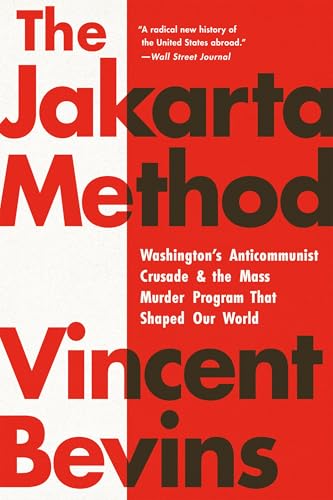
This investigation reveals the brutal, hidden history of how the U.S. exported its anti-communist strategies, aligning perfectly with the 'Secret Team' perspective on global control. It is a chilling, well-researched account of the human cost of Cold War covert operations.
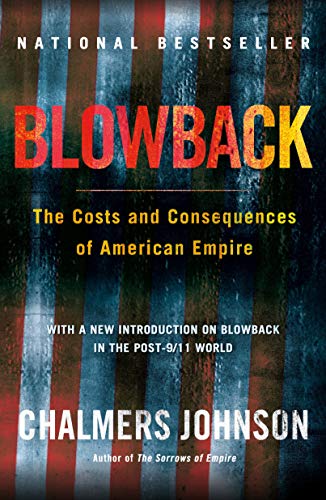
Johnson expertly articulates the concept of 'blowback'—the unintended consequences of secret CIA operations—which is a central theme in Prouty's analysis. This book is vital for understanding the long-term systemic impacts of the policies Prouty critiqued.

Scott is a master of 'deep politics,' exploring the intersection of intelligence agencies, organized crime, and the military, much like Prouty did regarding the Kennedy assassination. Fans of 'The Secret Team' will appreciate the complex, multi-layered analysis of power structures.

While distinct in subject, this book shares the 'hidden history' and 'uncovering secrets' vibe that drives interest in Prouty's work. It appeals to the reader who enjoys peeling back layers of institutional and historical narratives to find the uncomfortable truths underneath.

Written by a two-time Medal of Honor recipient, this classic text is the spiritual ancestor to Prouty's 'The Secret Team.' It exposes how war is used as a tool for corporate profit, providing the foundational skepticism that informs Prouty's later work.

Valentine continues the tradition of critical intelligence analysis, focusing on how the CIA functions essentially as an extra-legal entity. It is a direct thematic successor to Prouty, perfect for readers who want to understand the institutional corruption of the intelligence community.

Not sure what they've already read?
Let them pick their next favorite with an Amazon Gift Card.
As an Amazon Associate, we earn from qualifying purchases.
As an Amazon Associate, we earn from qualifying purchases.