
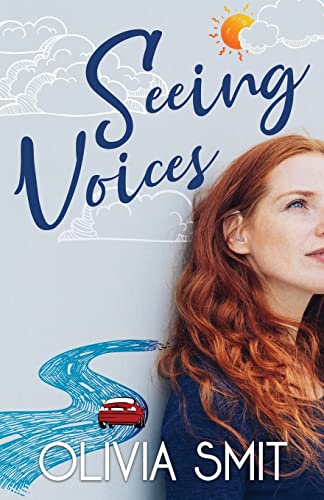
Based on your book
Seeing Voices
by Smit, Olivia
Seeing Voices is an intellectual deep dive into the Deaf experience, shifting the focus from medical pathology to the rich, complex reality of Deaf culture. Rather than treating sign language as a mere tool for the hearing-impaired, the book treats it as a full-fledged, sophisticated linguistic system that shapes cognition and community. The prose is analytical and patient, demanding that the reader slow down to consider how our own sensory biases dictate our understanding of humanity. It feels less like a traditional textbook and more like a long, thoughtful conversation with a mentor who wants you to look closer at the world. You will appreciate this if you enjoy social science that challenges your fundamental assumptions. It is for the curious reader who prefers questions over easy answers and enjoys exploring the intersection of linguistics, history, and personal identity.
10 Books similar to 'Seeing Voices'
If the analytical rigor and human-centric focus of Seeing Voices left you hungry for more, these selections are curated to expand your perspective on human difference. We chose these books because they mirror that same blend of meticulous research and deep empathy, whether exploring neurodiversity, the evolution of language, or the quiet strength of the outsider. By connecting the dots between clinical observation and lived experience, these titles honor the same spirit of inquiry found in Sacks, helping you continue to dismantle your own preconceived notions about how we communicate and belong.
As an Amazon Associate, we earn from qualifying purchases.

by Oliver Sacks
As another seminal work by Sacks, this collection of clinical tales offers the same profound empathy and intellectual curiosity found in Seeing Voices. Readers will appreciate the masterful blend of medical case studies with deeply human, philosophical reflections on the nature of the mind.

by Susan Cain
Much like Seeing Voices challenges societal perceptions of the Deaf community, this book challenges our cultural bias against introversion. It is a deeply researched, analytical, and empowering look at a misunderstood segment of the population that will resonate with fans of social commentary.

This expansive work mirrors the compassionate investigation of human difference found in Sacks' writing. It explores how families navigate the challenges of raising children who are fundamentally different from them, offering a poignant look at identity and acceptance.

This memoir provides a firsthand account of growing up as a hearing child of Deaf parents, offering a deeply personal perspective that complements the academic and historical scope of Seeing Voices. It captures the complex, often silent, linguistic and cultural bridges between two distinct worlds.

Not sure what they've already read?
Let them pick their next favorite with an Amazon Gift Card.
As an Amazon Associate, we earn from qualifying purchases.

This memoir is a testament to the resilience of the human spirit when communication is severely restricted, echoing the themes of language and perception in Seeing Voices. Its lyrical, introspective style provides a hauntingly beautiful look at life within a locked-in body.
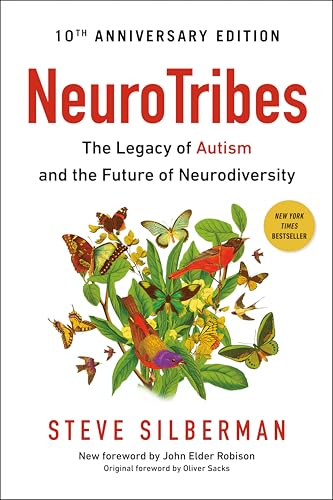
Readers who enjoyed the historical and sociological deep dive into the Deaf experience will find this exploration of neurodiversity equally fascinating. It reframes how we view cognitive differences, blending rigorous history with a compassionate, human-centric narrative.

While distinct in subject matter, this book shares the meticulous, observational research style and the focus on how extreme environments shape human behavior. It offers a gripping historical narrative that, like Sacks' work, illuminates the extraordinary limits of human endurance.

by Oliver Sacks
Returning to Sacks, this collection of seven neurological case studies continues the exploration of how the brain adapts to unique challenges. It is essential reading for anyone who appreciated the blend of scientific curiosity and deep humanity in Seeing Voices.

For readers fascinated by the linguistic analysis in Seeing Voices, this book offers a witty and accessible look at the evolution of language. It provides a similar intellectual thrill in understanding the mechanics and history of how we communicate.

Grandin provides a unique, firsthand account of navigating a world designed for neurotypical brains, offering a perspective that aligns with the themes of sensory perception and alternative communication in Seeing Voices. Her voice is clear, analytical, and deeply insightful.

Prefer to listen?
Try Audible and hear the story instead of reading it.
As an Amazon Associate, we earn from qualifying purchases.
As an Amazon Associate, we earn from qualifying purchases.