

Based on your book
Septology
by Jon Fosse
Septology is an extraordinary, continuous interior monologue that pulls you into the mind of Asle, an aging painter grappling with memory, faith, and the very nature of his own existence. Set against the stark beauty of the Norwegian coast, Fosse's writing has an almost incantatory quality, a repetitive, rhythmic flow that feels more like a sustained meditation than a traditional novel. It's a deeply melancholy and intensely introspective journey, blurring the lines between past and present, self and other, as Asle confronts a doppelgänger who might be another version of himself. This book is for readers who crave a unique, immersive experience, willing to surrender to a quiet, profound exploration of identity and the human spirit.
10 Books similar to 'Septology'
If Septology left you pondering the depths of existence, you'll find kindred spirits in our curated list. These recommendations share Fosse's masterful command of atmosphere and his commitment to radical introspection. We've highlighted books that echo his stream-of-consciousness style, delve into the quiet power of memory, and wrestle with profound existential questions about identity and what it means to be alive. They offer a similar slow-burn intensity and a unique, often lyrical approach to narrative, inviting you to sink deeply into their worlds.
As an Amazon Associate, we earn from qualifying purchases.

Much like Fosse's stream-of-consciousness style, this novel features a relentless, circular internal monologue that explores the nature of existence and the self. It shares the same minimalist, repetitive prose and deep philosophical inquiry into the boundaries of identity.

Fans of Septology's rhythmic, fluid prose and focus on domestic interiority will appreciate Woolf's mastery of the stream-of-consciousness technique. Both books capture the passage of time and the weight of memory through a deeply observational lens.

by W.G. Sebald
Sebald’s long, winding sentences and use of memory to reconstruct a lost life mirror Fosse’s hypnotic narrative structure. Both authors create a haunting atmosphere where the past and present are inextricably linked through a melancholic search for meaning.

by W.G. Sebald
This book shares the 'walking' meditation style found in Fosse's work, blending travelogue with deep philosophical and historical digressions. It captures the same sense of intellectual wandering and the interconnectedness of all things.

Not sure what they've already read?
Let them pick their next favorite with an Amazon Gift Card.
As an Amazon Associate, we earn from qualifying purchases.

Like Septology, Gilead is a deeply spiritual and meditative novel written as a long internal monologue. It shares Fosse’s concerns with faith, aging, and the quiet beauty found in everyday life through a slow-paced, lyrical narrative.
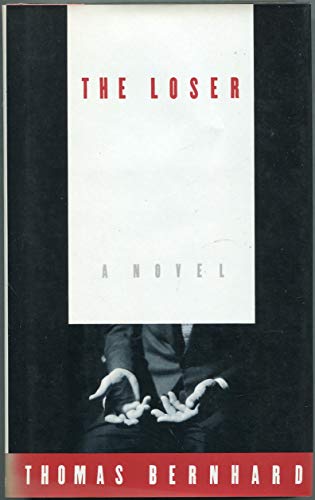
Bernhard’s use of repetitive, obsessive prose and a single continuous paragraph structure is a clear precursor to Fosse’s style. This novel explores themes of artistic failure and the intensity of the inner life with a similar rhythmic density.
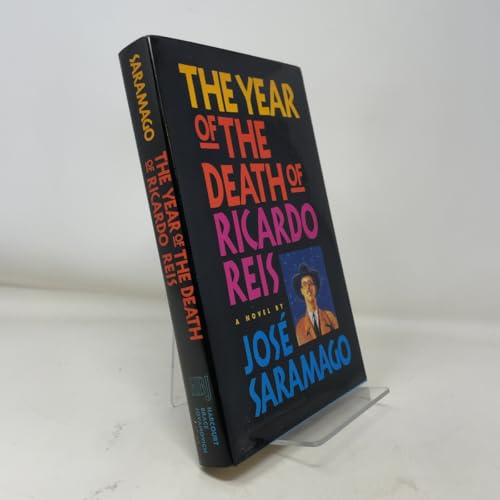
Saramago’s unique punctuation and flowing narrative style create a dreamlike atmosphere similar to Fosse’s 'slow prose.' The book deals with the blurring of boundaries between the living and the dead, much like the doppelgänger themes in Septology.

Fosse is often compared to Proust for his ability to expand a single moment into a vast exploration of memory. Readers who enjoy the slow, cumulative power of Septology will find a similar reward in Proust’s examination of time and consciousness.

While more cynical than Fosse, this novel shares a deep interest in the life of the artist and the relationship between the creator and their work. It echoes Fosse’s themes of solitude and the observational nature of the artistic gaze.

This novel is a radical, interior journey that mirrors the spiritual and existential intensity of Septology. Lispector’s prose breaks down the barriers of the self in a way that fans of Fosse’s mystical and philosophical leanings will find profound.

Prefer to listen?
Try Audible and hear the story instead of reading it.
As an Amazon Associate, we earn from qualifying purchases.
As an Amazon Associate, we earn from qualifying purchases.