

Based on your book
Simple Sabotage Field Manual
by United States Office of Strategic Services
Originally drafted in 1944 to teach citizens in occupied territories how to undermine the Axis powers, this manual is a cold, clinical look at how to break an organization from within. The author does not suggest blowing up bridges or firing shots; instead, he advocates for the power of pure, unadulterated inefficiency. By encouraging workers to be pedantic, to hold endless meetings, or to constantly refer matters to committees, the manual illustrates how bureaucracy can be weaponized to bring productivity to a grinding halt. The writing is dry, precise, and darkly funny, serving as both a historical artifact of wartime espionage and a hauntingly recognizable guide to modern office life. It is perfect for readers who enjoy pulling back the curtain on institutional power structures and those who appreciate a sharp, cynical take on how systems fail.
10 Books similar to 'Simple Sabotage Field Manual'
If the tactical malice of this manual resonated with you, our curated list leans into the darker side of organizational mechanics and power dynamics. We selected books like Bullshit Jobs and The Peter Principle because they highlight how naturally occurring incompetence mirrors the intentional sabotage outlined here. For those interested in the broader political game, The Prince and The 48 Laws of Power provide the strategic framework for navigating the hierarchies this manual aims to dismantle. These picks focus on the friction between individual agency and the rigid, often absurd structures that define our world.
As an Amazon Associate, we earn from qualifying purchases.

by Sun Tzu
Like the OSS manual, this ancient classic provides strategic and tactical wisdom on how to undermine an opponent with minimal direct conflict. It shares the same analytical, detached, and highly practical approach to conflict and disruption.

This book offers a modern, critical examination of organizational dysfunction that mirrors the 'Simple Sabotage' philosophy of making institutions inefficient. Readers will appreciate the cynical, observational humor and the dissection of bureaucratic absurdity.

Machiavelli’s seminal work on political maneuvering and power retention serves as a foundational text for understanding the cynical manipulation of systems. It aligns perfectly with the OSS manual's cold-eyed assessment of human organizations and how to control them.

This book acts as a modern manual for navigating and manipulating social and organizational hierarchies, much like the sabotage manual guides readers in dismantling them. It provides the same 'insider's guide' tone that appeals to those interested in the mechanics of human influence.

Prefer to listen?
Try Audible and hear the story instead of reading it.
As an Amazon Associate, we earn from qualifying purchases.
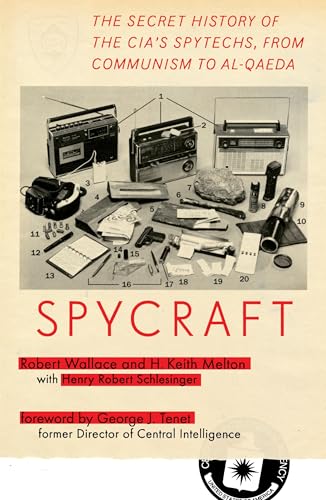
by Robert Wallace and H. Keith Melton
For readers fascinated by the technical and practical history of espionage, this book offers a deep dive into the real-world tools and tradecraft used by intelligence agencies. It complements the OSS manual by showing the evolution of the clandestine tactics discussed in the manual.

This classic work of organizational satire explains why hierarchies naturally become incompetent, effectively describing the exact conditions the OSS manual sought to manufacture. It is a brilliant, humorous, and insightful look at the flaws inherent in large organizations.

While it deals with early computer hacking, this true story of tracking a spy through a network is a masterclass in vigilance and counter-espionage. Fans of the OSS manual will appreciate the methodical, investigative pacing and the focus on identifying subtle disruptions in a system.
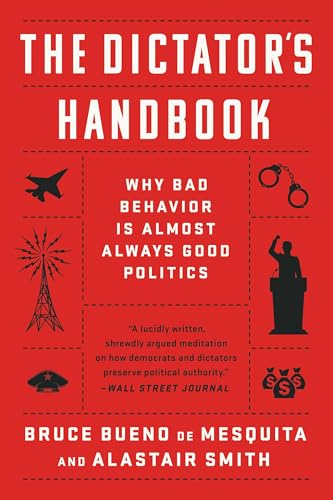
by Bruce Bueno de Mesquita and Alastair Smith
This book breaks down the mechanics of political power and how leaders maintain control (or lose it) through cynical, calculated actions. It shares the OSS manual's pragmatic, non-idealistic view of how institutions function and how they can be manipulated.
This work explores the intersection of art, politics, and the stifling nature of institutional systems. It captures the atmospheric, slightly claustrophobic feeling of being trapped within a rigid structure, which is the exact environment the OSS manual aimed to sabotage.

by Steve Coll
This detailed historical account of the CIA's involvement in Afghanistan provides a gripping look at the complexities of intelligence operations and covert action. Readers who enjoyed the OSS manual's focus on unconventional warfare will find this an essential, deeply researched companion.

Love to read on the go?
Explore Kindle e-readers and take your books with you.
As an Amazon Associate, we earn from qualifying purchases.
As an Amazon Associate, we earn from qualifying purchases.