

Based on your book
Slaughterhouse-Five
by Kurt Vonnegut
Slaughterhouse-Five isn't a straightforward war story; it's a deeply personal, often disorienting journey through the mind of Billy Pilgrim, a man who becomes 'unstuck in time.' You'll find yourself skipping through moments from his childhood, his harrowing experiences as an American POW during the firebombing of Dresden, and his later life as an optometrist who claims to have been abducted by aliens. Vonnegut masterfully blends melancholic observation with sharp, often absurd humor and cutting satire. The reading experience is both profound and strangely comforting, despite the bleak subject matter. It's a book that asks you to consider the nature of fate, the futility of war, and how we cope with unimaginable trauma. Pick this up if you appreciate stories that challenge conventional narrative, make you laugh and ache in equal measure, and offer a philosophical look at humanity's most difficult moments.
10 Books similar to 'Slaughterhouse-Five'
If Slaughterhouse-Five resonated with you, you're likely drawn to stories that grapple with the absurdity of war and the psychological toll it takes, often through unconventional narratives. Our recommendations lean into that same blend of dark humor, philosophical questioning, and the surreal. You'll find other authors who use satire to dissect conflict, explore fractured realities, or delve into the lasting trauma of witnessing unimaginable events. Whether it's the non-linear storytelling or the poignant exploration of human resilience amidst chaos, these books share a similar spirit of inquiry and a distinctive voice.
As an Amazon Associate, we earn from qualifying purchases.

Like Vonnegut, Heller uses dark humor and a non-linear narrative to expose the absurdity of war and bureaucracy. It shares the satirical tone and the 'war is hell' sentiment while maintaining a deeply cynical yet intellectual outlook on human conflict.

This is often considered Vonnegut's most philosophical work, exploring themes of free will and the meaning of life through a cosmic lens. Fans of Billy Pilgrim's 'unstuck in time' experience will appreciate the similar exploration of fate and human insignificance.

by Tim O'Brien
A poignant and meta-fictional look at the Vietnam War that blurs the line between fact and fiction. Much like Slaughterhouse-Five, it deals with the psychological weight of trauma and the difficulty of communicating the reality of war to those who weren't there.

Another Vonnegut classic that utilizes a satirical, bite-sized chapter structure to critique religion, science, and the arms race. It matches the 'vibe' of Slaughterhouse-Five perfectly through its dark humor and observational wit regarding human stupidity.

Love to read on the go?
Explore Kindle e-readers and take your books with you.
As an Amazon Associate, we earn from qualifying purchases.

This novel captures the same sense of fractured reality and psychological disorientation found in Billy Pilgrim's time-traveling. It explores themes of identity and state surveillance with a similarly tragic and drug-addled atmosphere.

While more lyrical in style, this book uses a repetitive, non-linear structure to explore a single life during World War II. Fans of the 'So it goes' philosophy will appreciate the exploration of fate and the many ways a life can be lived or ended.
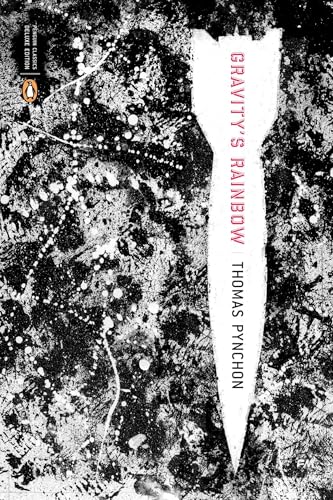
For readers who enjoyed the complex, chaotic, and historical elements of Vonnegut's work, Pynchon offers a maximalist exploration of V-2 rockets and paranoia. It is a challenging but rewarding deep dive into the intersection of technology and human destruction.

While lacking Vonnegut's humor, this novel shares the bleak, minimalist prose and the profound sense of loss found in the aftermath of mass destruction. It captures the same 'staring into the abyss' feeling that permeates the Dresden scenes.

This science fiction classic explores the cyclical nature of human history and our tendency toward self-destruction. It mirrors Vonnegut's cynical yet deeply humanistic view of the world and the recurring tragedies of war.

by Joe Haldeman
Written as an allegory for the author's experiences in Vietnam, this sci-fi novel uses time dilation to show the alienation of soldiers returning to a world they no longer recognize. It captures the 'fish out of water' feeling Billy Pilgrim experiences perfectly.

Not sure what they've already read?
Let them pick their next favorite with an Amazon Gift Card.
As an Amazon Associate, we earn from qualifying purchases.
As an Amazon Associate, we earn from qualifying purchases.