

Based on your book
Small Gods
by Pratchett, Terry
The Great God Om is a deity of immense power, yet he finds himself trapped in the body of a tortoise because he only has one true believer left. This is the starting point for a story that manages to be both a hilarious farce and a devastating critique of organized religion. Pratchett follows Om and his novice, Brutha, as they navigate the brutal politics of a church that has forgotten the actual god in favor of the institution. The pacing is sharp and the dialogue crackles, but the brilliance lies in how it forces you to question your own assumptions about power and blind faith. If you appreciate fantasy that uses absurdity to expose human folly and you enjoy characters who stumble into wisdom, this book will leave you feeling both amused and profoundly unsettled.
10 Books similar to 'Small Gods'
Since Small Gods excels at blending irreverent humor with heavy philosophical inquiry, we have curated a list that shares its DNA. Whether you are looking for more sharp-tongued satire like the works of Douglas Adams and Voltaire, or you want to lean into the deeper, darker explorations of how belief shapes reality as seen in American Gods or The Last Unicorn, these selections mirror Pratchett's signature balance. Each title explores the friction between individual conviction and institutional dogma, offering you a similar path through the complexities of human faith and the absurdity of power.
As an Amazon Associate, we earn from qualifying purchases.

by Terry Pratchett and Neil Gaiman
Co-authored by Pratchett, this novel shares the same sharp, satirical wit and philosophical inquiry into the nature of divinity and human nature found in Small Gods. It balances cosmic stakes with hilariously mundane details, making it a perfect follow-up for any Discworld fan.

Like Small Gods, this book explores the nature of belief and the fading of magic in a world that has stopped paying attention. It possesses a similar blend of profound melancholy and deep philosophical reflection wrapped in a fantasy narrative.

by Neil Gaiman
This novel takes the concept of belief fueling deity power—a central theme of Small Gods—and applies it to a modern, gritty American landscape. It offers a darker, more introspective look at how gods survive when they are forgotten.


Not sure what they've already read?
Let them pick their next favorite with an Amazon Gift Card.
As an Amazon Associate, we earn from qualifying purchases.

Fans of Pratchett's narrative voice will find a kindred spirit in Douglas Adams, who uses absurdity and science fiction to dismantle human pretension. Both authors excel at finding the profound humor in the insignificance of our existence.

by Mark Twain
This classic explores the clash between modern rationalism and antiquated superstition, echoing the conflict between Brutha's faith and the rigid dogma of the Church in Small Gods. It is a biting critique of power and institutional control.

by Umberto Eco
For readers who enjoyed the theological debates and the labyrinthine politics of the Citadel in Small Gods, this historical mystery offers a more serious, dense exploration of religious dogma and the power of forbidden knowledge.
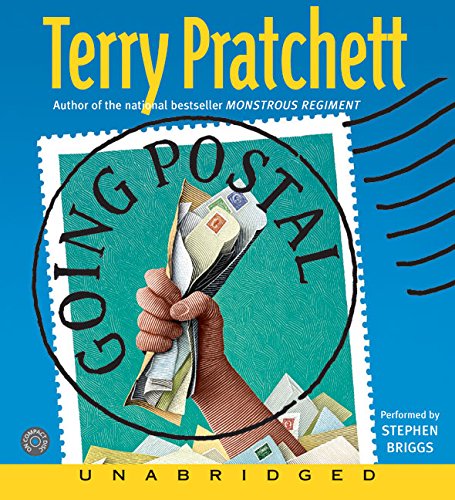
While still within the Discworld, this novel captures the same 'underdog fighting a corrupt system' energy found in Small Gods. It features a protagonist who must navigate complex social structures while challenging the status quo.

Moore shares Pratchett's talent for treating sacred subjects with irreverent humor while maintaining a surprising amount of heart. It reimagines religious history through a lens of friendship and human fallibility.

This book deals with the fragility of memory and the way societies construct myths to hide uncomfortable truths, themes that resonate deeply with the history of the Omnian Church. It is a quieter, more contemplative look at the weight of the past.

Prefer to listen?
Try Audible and hear the story instead of reading it.
As an Amazon Associate, we earn from qualifying purchases.
As an Amazon Associate, we earn from qualifying purchases.