

Based on your book
Speechless
by Michael Knowles
Speechless by Michael Knowles offers a direct, unvarnished look at how our public discourse has fundamentally changed, and what he sees as the consequences for our culture and traditional values. Knowles argues that the battle over words isn't just about 'free speech' in a broad sense, but about who defines truth and what is permissible to say. Reading this book feels like sitting down with someone who has meticulously unpacked decades of cultural shifts, presenting a clear, often provocative analysis of how certain ideas gained dominance and how dissent became stifled. It's a challenging, informative read for anyone feeling frustrated by the current state of public debate, especially those looking for a conservative perspective on reclaiming cultural ground and understanding the deeper strategies at play.
10 Books similar to 'Speechless'
If Michael Knowles's Speechless resonated with you, you'll appreciate how these further selections delve into similar territory. Each book, in its own way, explores the vital connection between language, thought, and societal control, whether through the chilling dystopian warnings of Orwell and Huxley, or the incisive cultural critiques from authors like Postman and Sowell. You'll find more analytical deep dives into power dynamics and the subtle ways narratives are shaped, offering different angles on the cultural battles Knowles describes.
As an Amazon Associate, we earn from qualifying purchases.

This dystopian masterpiece directly explores themes of language control (Newspeak), thought policing, and totalitarian power, mirroring Knowles's concerns about the manipulation of words to control minds and suppress dissent. Readers will find its chilling depiction of a society under constant surveillance profoundly resonant.

Huxley's classic presents an alternative vision of societal control, achieved through conditioning, pleasure, and genetic engineering rather than overt oppression. It offers a thought-provoking parallel to Knowles's examination of how societies can be subtly shaped and individual freedom curtailed.

by Greg Lukianoff and Jonathan Haidt
This contemporary non-fiction work directly tackles the issues of free speech, political correctness, and the culture of 'safetyism' on college campuses, providing a direct and highly relevant parallel to the modern cultural critiques in "Speechless." It offers an analytical look at the roots of these phenomena.

by Edward S. Herman and Noam Chomsky
This seminal work analyzes how mass media can shape public opinion to serve the interests of powerful elites, offering a detailed, analytical look at information control. Fans of Knowles's critique of language manipulation will appreciate its deep dive into media's role in shaping societal narratives.

Prefer to listen?
Try Audible and hear the story instead of reading it.
As an Amazon Associate, we earn from qualifying purchases.

Solzhenitsyn's monumental account of the Soviet forced labor camps provides a harrowing, detailed look at the ultimate consequences of totalitarian ideology and state control over individuals. While not about language *per se*, it powerfully illustrates the dangers of unchecked political power and the suppression of truth.

by Neil Postman
Postman critiques how media, particularly television, transforms public discourse into entertainment, trivializing serious issues and degrading the quality of public debate. This analytical perspective on the decline of meaningful communication aligns well with Knowles's concerns about the manipulation and misuse of language.

Haidt explores the psychological and evolutionary roots of moral and political divisions, helping readers understand why people hold different views and how those views become entrenched. This provides a crucial, nuanced framework for understanding the cultural battles and ideological clashes discussed in "Speechless."

by C.S. Lewis
Lewis's philosophical work argues against moral relativism and the dangers of rejecting objective truth and traditional values, a core concern often echoed in conservative thought. It offers a profound intellectual exploration of the philosophical underpinnings of cultural decline, resonating with Knowles's critique.
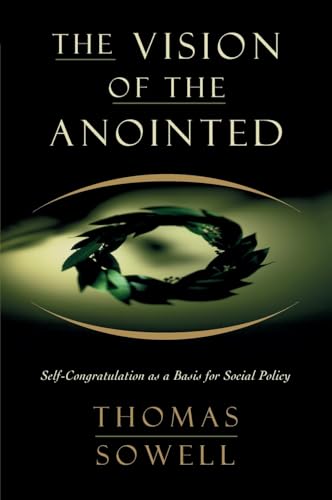
Sowell critiques the mindset of 'the anointed' – intellectuals and elites who believe they possess superior wisdom to guide society – and the detrimental effects of their policies. This book offers a rigorous, analytical, and often conservative perspective on social engineering and its failures, aligning with Knowles's critical stance on certain ideologies.

This allegorical novella satirizes totalitarianism and the corruption of revolutionary ideals, showing how language and propaganda are used to manipulate and control the masses. Its accessible yet profound critique of political power and deception makes it a perfect companion to "Speechless."

Love to read on the go?
Explore Kindle e-readers and take your books with you.
As an Amazon Associate, we earn from qualifying purchases.
As an Amazon Associate, we earn from qualifying purchases.