

Based on your book
Star Warriors
by Broad, William J.
Star Warriors pulls back the curtain on the scientists behind the Strategic Defense Initiative, the Reagan-era project famously dubbed Star Wars. Rather than focusing on political talking points, William J. Broad embeds himself with the researchers at the Lawrence Livermore National Laboratory to show how they actually lived and worked. It is a sobering look at the intersection of brilliant minds and high-stakes military ambition. The writing is precise and analytical, capturing the strange mix of idealism and cold calculation that fueled the push for space-based weaponry. You will feel the weight of the bureaucracy and the moral ambiguity inherent in designing machines of mass destruction. This is essential for readers who want to understand how scientific discovery gets weaponized and who enjoy peeling back the layers of the military-industrial complex.
10 Books similar to 'Star Warriors'
If the clinical, behind-the-scenes reporting in Star Warriors left you wanting more, our curated list leans into that same intersection of technical ambition and geopolitical danger. We chose these titles because they excel at humanizing the architects of the nuclear age while maintaining a sharp focus on the systemic risks of modern warfare. Whether it is the bureaucratic friction in Skunk Works or the ethical dilemmas found in Brotherhood of the Bomb, these books explore how individual brilliance shapes global power dynamics. They are perfect for readers fascinated by the messy, often terrifying reality behind top-secret research.
As an Amazon Associate, we earn from qualifying purchases.

Like Broad's work, this Pulitzer Prize-winning narrative dives deep into the high-stakes world of nuclear brinkmanship and the scientists who shaped it. It provides a gripping, meticulously researched look at the Cold War's most dangerous moments, appealing to readers fascinated by the intersection of technology and global security.

Schlosser mirrors Broad's investigative rigor, exposing the terrifying vulnerabilities within the U.S. nuclear arsenal. It is a masterful study of the human and mechanical errors that define the nuclear age, perfect for those who enjoyed the behind-the-scenes look at military technology in Star Warriors.

This book offers a comprehensive and deeply researched history of the development of the hydrogen bomb, echoing the scientific focus of Broad's writing. It captures the complex personalities and moral conflicts of the physicists involved, much like the portrait of the scientists in Star Warriors.

Jacobsen explores the shadowy world of DARPA, revealing the origins of the technologies that define modern warfare. Fans of Broad's exploration of SDI will appreciate this deep dive into the secretive, often eccentric, and always consequential world of military R&D.

Love to read on the go?
Explore Kindle e-readers and take your books with you.
As an Amazon Associate, we earn from qualifying purchases.

Ellsberg provides a firsthand, chilling account of the nuclear war planning apparatus, offering a perspective that complements Broad's journalistic investigation. It is essential reading for those interested in the terrifying reality behind the strategic defense policies of the 20th century.

This memoir offers an insider's look at the development of America's most secret and advanced aircraft, sharing the same 'techno-thriller' energy as Broad's account of the Star Wars program. It captures the innovative spirit and bureaucratic hurdles of the military-industrial complex.

Mahaffey provides a fascinating and detailed history of nuclear technology's failures, which serves as a perfect companion to Broad's examination of nuclear weaponry. It balances technical explanation with human drama, making the science accessible and the consequences clear.

by Kim Zetter
While focused on cyber warfare rather than Cold War missiles, Zetter's investigation into Stuxnet mirrors Broad's style of uncovering secret, world-altering technology projects. It is a modern, high-stakes look at how code has become a weapon of global power.

by Gregg Herken
This book focuses on the human element of the nuclear age, tracing the relationships and rivalries of the scientists who built the bomb. It provides the necessary character-driven context for the scientific culture Broad describes in Star Warriors.
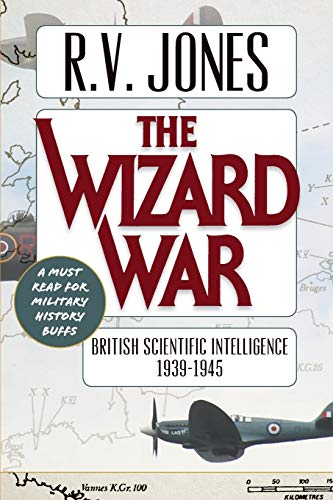
by R.V. Jones
A classic account of the scientific battle against Nazi Germany, this book establishes the template for the 'scientist as warrior' narrative found in Broad's work. It is a brilliant, firsthand look at how scientific innovation can determine the outcome of global conflicts.

Not sure what they've already read?
Let them pick their next favorite with an Amazon Gift Card.
As an Amazon Associate, we earn from qualifying purchases.
As an Amazon Associate, we earn from qualifying purchases.