

Based on your book
Status and Culture
by Marx, W. David
W. David Marx invites you to look at every trend, fashion cycle, and social shift through a single, clarifying lens: the pursuit of status. Rather than dismissing cultural movements as random or purely aesthetic, he deconstructs the underlying mechanics of how we signal belonging and distinction in a crowded world. The reading experience is clinical yet strangely addictive, feeling like a long, late-night conversation with a friend who has spent years mapping out the hidden architecture of human behavior. Marx moves with an analytical, measured pace, stripping away the mystery of why cool things become uncool and how power dynamics dictate our taste. This is essential reading for the perpetually curious reader who wants to understand the invisible social forces that nudge their own preferences, desires, and identity choices every single day.
10 Books similar to 'Status and Culture'
Since you enjoyed the granular sociological breakdown in Status and Culture, we have curated a list that explores the tension between individual identity and systemic power. Whether you are interested in the historical roots of conspicuous consumption in Veblen, or the modern, internet-fueled anxiety captured by Tolentino, these selections focus on the same core themes: the performance of taste and the fragility of social hierarchy. These books move beyond simple observation to challenge how we participate in the very culture we often claim to critique.
As an Amazon Associate, we earn from qualifying purchases.

As the foundational text for much of modern status theory, Veblen's work provides the essential vocabulary of 'conspicuous consumption' that Marx builds upon. Readers who enjoyed the analytical framework of 'Status and Culture' will find the roots of those ideas here, presented with biting, dry wit.
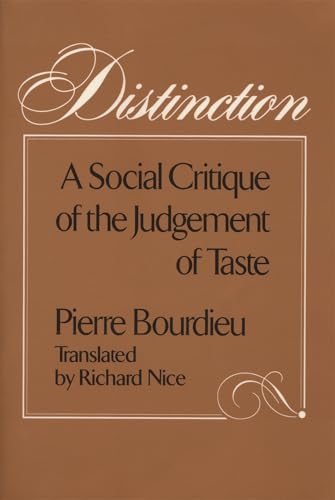
This is a seminal academic text that deeply influenced Marx's exploration of how aesthetic preferences function as social markers. It is a dense but rewarding read for anyone who wants to understand the sociological mechanics behind why we like what we like.
by Joseph Heath and Andrew Potter
This book tackles the myth of counterculture, arguing that rebellion has become a primary driver of consumer capitalism rather than a resistance to it. It shares the same skeptical, deconstructive approach to cultural trends found in Marx's work.

Tolentino provides a sharp, contemporary look at how the internet and modern social structures shape our identities and cultural output. Like Marx, she excels at connecting personal experiences to broader, systemic societal trends.

Love to read on the go?
Explore Kindle e-readers and take your books with you.
As an Amazon Associate, we earn from qualifying purchases.

by Eli Pariser
While focused more on technology than pure status, this book explains the algorithmic forces that curate our cultural reality. It complements Marx's analysis by showing how the 'status' we see online is increasingly curated by invisible systems.

Though a work of fiction, this book perfectly captures the sociological anxiety and status-seeking behaviors of a specific cultural moment. It provides a narrative, experiential counterpart to the theoretical points Marx makes about how generations define themselves through culture.

Putnam's classic study on the decline of social capital provides the necessary sociological context for why status-seeking has shifted away from community engagement. It offers a macro-level view that grounds the cultural shifts Marx describes.

This sweeping history of consumption provides the long-term context for the status-seeking behaviors Marx analyzes. It is essential for understanding how the accumulation of 'things' became the primary vehicle for social signaling throughout history.

by Tom Nichols
Nichols explores how the democratization of information has paradoxically led to a decline in respect for expertise, a trend that directly impacts how status is assigned in modern culture. It is a vital companion piece for understanding the 'culture' side of Marx's equation.

Crawford offers a philosophical critique of the modern 'knowledge economy' and the status associated with white-collar work. It provides a counter-narrative to the cultural trends Marx describes, focusing on the intrinsic value of tangible skill over social signaling.

Not sure what they've already read?
Let them pick their next favorite with an Amazon Gift Card.
As an Amazon Associate, we earn from qualifying purchases.
As an Amazon Associate, we earn from qualifying purchases.