

Based on your book
Strange Glow
by Jorgensen, Timothy J.
Radiation is one of the most misunderstood forces in our daily lives, and Jorgensen does the heavy lifting to demystify it. He traces our relationship with ionizing radiation from the early days of medical x-rays to modern nuclear energy and the public anxieties surrounding them. Rather than a dry textbook, this is a thoughtful examination of how we quantify risk and balance scientific progress against human safety. The pacing is deliberate and analytical, rewarding readers who enjoy peeling back layers of history to see how scientific discovery shapes policy and social perception. If you appreciate non-fiction that respects your intelligence without burying you in jargon, this is a perfect pick. It is for the reader who wants to understand the invisible world around them and the people who spent their lives trying to measure it.
10 Books similar to 'Strange Glow'
Since you enjoyed the way Jorgensen blends technical history with human impact, these selections explore that same intersection of scientific discovery and social consequence. We chose these titles because they treat complex subjects like cancer, atomic energy, and the periodic table with the same narrative rigor found in Strange Glow. Whether focusing on the ethics of medical research or the dangers of nuclear technology, these books share an intellectual curiosity and a commitment to grounding big, intimidating scientific concepts in the very real, often messy, stories of the individuals who lived through them.
As an Amazon Associate, we earn from qualifying purchases.

Like 'Strange Glow', this book masterfully weaves together complex scientific history with the human stories behind the discoveries. It provides a deeply researched, accessible, and compelling look at how scientific advancement intersects with ethics and society.

by Kate Moore
This book serves as a perfect companion to Jorgensen's work, focusing specifically on the tragic and pivotal history of radiation poisoning in the early 20th century. It matches the informative yet narrative-driven style of 'Strange Glow' while highlighting a crucial moment in public health history.
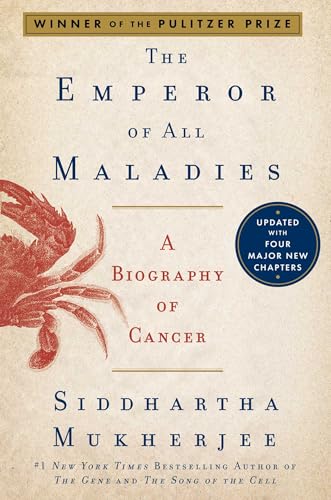
Fans of the scientific history approach in 'Strange Glow' will appreciate this sweeping 'biography' of a disease. It combines rigorous medical research with a narrative voice that is both scholarly and deeply human, much like Jorgensen's exploration of radiation.

If you enjoyed learning about the mechanics and historical impact of radiation in 'Strange Glow', this definitive account of the Chernobyl disaster is essential reading. It provides a gripping, fact-based investigation into the technological and human failures of the event.

Not sure what they've already read?
Let them pick their next favorite with an Amazon Gift Card.
As an Amazon Associate, we earn from qualifying purchases.

by Bill Bryson
Just as Jorgensen makes the complex topic of radiation accessible, Bryson makes the history of the entire universe understandable and entertaining. It shares the same enthusiastic, inquisitive tone that makes scientific non-fiction so engaging for lay readers.

by Sam Kean
This book treats the periodic table with the same narrative curiosity that Jorgensen applies to radiation. It connects scientific facts to historical anecdotes and human drama, making it a perfect follow-up for readers who enjoy 'Strange Glow's' blend of education and storytelling.

Schlosser investigates the history of nuclear weapons and safety with the same meticulous detail and analytical focus found in 'Strange Glow'. It is a sobering look at how scientific power and human error collide, perfect for readers interested in the darker side of atomic history.

by Hope Jahren
Readers who appreciated the personal touch and scientific expertise in 'Strange Glow' will find this memoir deeply resonant. It blends the author's life story with fascinating insights into the natural world, offering a unique perspective on the life of a scientist.

While written for a younger audience, this book is a masterclass in narrative non-fiction that covers the history of the atomic bomb. Its fast-paced, thriller-like structure complements the historical context provided in 'Strange Glow' perfectly.

by Mary Roach
Mary Roach is the gold standard for blending rigorous science with humor and wit, much like Jorgensen's accessible approach. This book explores the bizarre and fascinating human side of space science, making it a delightful read for anyone who enjoys learning about the intersection of science and human experience.

Prefer to listen?
Try Audible and hear the story instead of reading it.
As an Amazon Associate, we earn from qualifying purchases.
As an Amazon Associate, we earn from qualifying purchases.