

Based on your book
Stumbling on Happiness
by Daniel Gilbert
Daniel Gilbert argues that our brains are essentially time-traveling machines that consistently fail to predict what will make us happy in the future. He breaks down the biological and cognitive glitches that lead us to misjudge our own desires, showing how we mistake present emotions for future states. The experience of reading this is like sitting down with a brilliant, funny professor who enjoys dismantling your most cherished assumptions about yourself. It is analytical and dense with research, yet it never feels like a dry lecture because Gilbert writes with a sharp, irreverent wit. This book is a perfect fit for the curious skeptic who wants to understand why their past decisions feel baffling in hindsight and who enjoys having their internal logic challenged by rigorous science.
10 Books similar to 'Stumbling on Happiness'
If this look at the mechanics of the mind piqued your interest, you will find these titles share a similar DNA. We have curated this list to bridge the gap between abstract psychological research and practical life application. Whether you are interested in the irrational biases that dictate our daily choices, like those in Thinking, Fast and Slow and Predictably Irrational, or you want to explore the intersection of ancient philosophy and modern science, these books offer a cohesive roadmap for understanding human nature, decision-making, and the elusive pursuit of genuine contentment.
As an Amazon Associate, we earn from qualifying purchases.
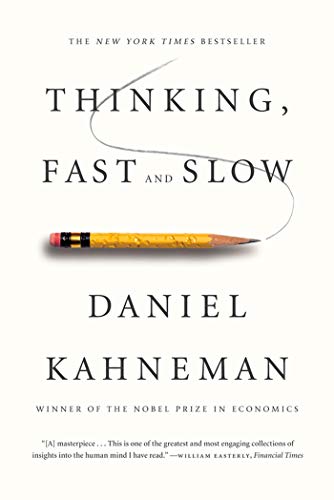
As the foundational text for much of modern behavioral economics, this book pairs perfectly with Gilbert's work by exploring the cognitive biases that shape our decision-making. It offers a similarly deep, analytical, and eye-opening look at how the human mind operates, often against its own best interests.

by Dan Ariely
Ariely shares Gilbert's knack for making complex psychological research accessible and genuinely funny. This book dives into the systematic patterns of our irrational behavior, helping readers understand why we make the choices we do in our daily lives.

Haidt bridges the gap between ancient wisdom and modern psychological science to explore the roots of human fulfillment. Fans of Gilbert will appreciate the blend of rigorous research and philosophical inquiry into what actually makes us happy.

by Richard H. Thaler and Cass R. Sunstein
This book explores how our environment can be structured to help us make better decisions, echoing themes from Gilbert about the fallibility of human foresight. It is an essential read for anyone interested in applying psychological insights to real-world policy and personal choices.

Love to read on the go?
Explore Kindle e-readers and take your books with you.
As an Amazon Associate, we earn from qualifying purchases.
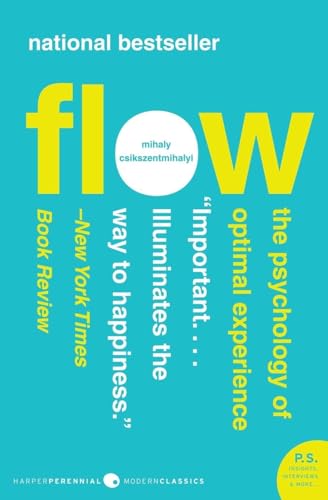
While Gilbert focuses on why we mispredict our future happiness, Csikszentmihalyi identifies the specific state of mind—'flow'—that actually produces it. It provides a more constructive, practical counterpart to the cognitive biases discussed in Stumbling on Happiness.

by Susan Cain
Cain uses a blend of research and narrative storytelling to challenge our assumptions about personality and success, much like Gilbert challenges our assumptions about happiness. It is a deeply researched, eye-opening look at how we perceive human nature.

Schwartz explores the counterintuitive psychological finding that having more options often leads to less satisfaction, directly complementing Gilbert's exploration of human desire and regret. It is a compelling look at the modern condition through a psychological lens.

by James Clear
While more prescriptive than Gilbert's work, Clear provides the practical framework for changing the behaviors that Gilbert identifies as flawed. It is the perfect follow-up for readers who want to apply psychological insights to their own daily routines.

Dweck's research on fixed vs. growth mindsets provides a crucial piece of the puzzle regarding how we perceive our own potential and future. It shares the same 'aha!' moment quality that makes Stumbling on Happiness so engaging.

Eagleman takes readers on a fascinating tour of the subconscious, revealing how much of our behavior happens beneath our awareness. It matches the wit and scientific curiosity of Gilbert's writing while exploring the hidden machinery of the mind.

Not sure what they've already read?
Let them pick their next favorite with an Amazon Gift Card.
As an Amazon Associate, we earn from qualifying purchases.
As an Amazon Associate, we earn from qualifying purchases.