

Based on your book
Subtract: The Untapped Science of Less
by Leidy Klotz
We are hardwired to fix problems by adding, not removing. Whether it is piling on more chores, features, or commitments, we instinctively believe that more is better. Leidy Klotz dismantles this bias through a mix of engineering principles and behavioral science, showing us that our best solutions often involve taking things away. The writing is precise and analytical, feeling less like a self-help manual and more like a conversation with a thoughtful engineer who wants you to see the world differently. It moves at a measured, contemplative pace, making it perfect for readers who enjoy digging into the 'why' behind their own cognitive shortcuts. If you feel like your life, work, or environment is becoming cluttered with unnecessary friction, this book offers a clear, evidence-based framework for stripping back to the essentials.
10 Books similar to 'Subtract: The Untapped Science of Less'
If the scientific rigor of Subtract left you craving more ways to simplify your life, these selections offer a curated path forward. We chose these titles because they bridge the gap between behavioral psychology and practical application. Whether you are looking for Cal Newport's focus on digital hygiene or the foundational cognitive insights found in Daniel Kahneman's work, these books share a commitment to intentionality. They move beyond simple decluttering, exploring how the strategic removal of noise and choice can systematically improve your decision-making, focus, and overall sense of clarity.
As an Amazon Associate, we earn from qualifying purchases.

by Greg McKeown
Like 'Subtract', this book argues that we often try to do too much, suggesting that by systematically eliminating the non-essential, we can make our highest contribution. It shares the same core philosophy of finding clarity and efficiency through subtraction rather than accumulation.

by Cal Newport
Newport applies the principles of subtraction to our digital lives, advocating for a decluttering of technology to regain focus and satisfaction. It mirrors Klotz's scientific approach to identifying what truly adds value versus what is merely additive noise.

This foundational text in behavioral psychology explains why an abundance of options often leads to anxiety rather than freedom. It provides the psychological framework that supports Klotz's argument that adding more choices or features is frequently counterproductive.

by Fumio Sasaki
Sasaki offers a personal, narrative-driven exploration of minimalism that complements the scientific research in 'Subtract'. It demonstrates the profound emotional and psychological benefits of stripping away the excess in one's physical environment.

Not sure what they've already read?
Let them pick their next favorite with an Amazon Gift Card.
As an Amazon Associate, we earn from qualifying purchases.

by James Clear
While focused on building habits, Clear's methodology heavily relies on removing friction and simplifying systems to make change sustainable. Fans of Klotz will appreciate the emphasis on system design and behavioral engineering to achieve better outcomes.
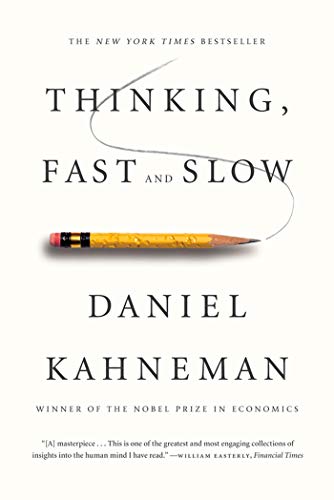
As a seminal work on the cognitive biases that shape our decisions, this book provides the deep scientific context for why we gravitate toward 'adding' as a default. It is essential reading for understanding the human brain's tendency to overcomplicate, as explored by Klotz.
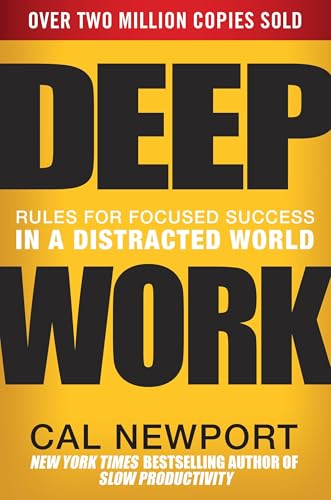
by Cal Newport
Newport explores the necessity of eliminating distractions to achieve high-level cognitive performance. It aligns perfectly with the 'Subtract' philosophy of prioritizing quality and focus over the quantity of tasks or inputs.

by Susan Cain
Cain challenges the cultural bias toward extroversion, much like Klotz challenges the bias toward addition. Both books encourage readers to look past societal norms to find value in the quieter, often overlooked aspects of human potential.

by Marie Kondo
Kondo’s method is the practical application of subtraction in the home, focusing on keeping only what 'sparks joy.' Readers who enjoyed the conceptual benefits of subtraction in Klotz's work will find the actionable, life-changing results in this classic.

by Sendhil Mullainathan and Eldar Shafir
This book explores how the mindset of scarcity affects our decision-making and cognitive bandwidth. It offers a fascinating counterpoint to 'Subtract', showing how the lack of resources can actually force the kind of essentialist thinking that Klotz advocates for intentionally.

Prefer to listen?
Try Audible and hear the story instead of reading it.
As an Amazon Associate, we earn from qualifying purchases.
As an Amazon Associate, we earn from qualifying purchases.