

Based on your book
Summa Technologiae (Volume 40)
by Lem, Stanislaw
Stanislaw Lem does not offer a roadmap for the future so much as a rigorous autopsy of human ambition. Summa Technologiae is a dense, sprawling collection of philosophical inquiries into the limits of biology, intelligence, and the eventual obsolescence of our species. Lem writes with the precision of a scientist and the skepticism of a jaded witness, dismantling the assumption that technological progress is inherently beneficial. You will not find a linear narrative here; instead, you get a series of intellectual collisions where evolution, cybernetics, and cosmic existentialism meet. It is a demanding read that requires patience, often feeling like a high-level conversation held in the dark. This is for readers who prefer their futurology stripped of optimism and replaced with sharp, unflinching analysis of our own structural design.
10 Books similar to 'Summa Technologiae (Volume 40)'
If the cold, analytical rigor of Summa Technologiae left you hungry for more, these selections expand on the intersection of biology, information theory, and human evolution. We have curated these titles because they share Lem's fascination with the systems that govern our reality, from the mechanics of the selfish gene to the societal implications of cybernetics. Whether you are exploring the philosophical bedrock of reality with Baudrillard or questioning the trajectory of artificial intelligence with Kurzweil, these books maintain that same intellectual intensity and willingness to challenge the fundamental structures of human existence.
As an Amazon Associate, we earn from qualifying purchases.

Like Lem's masterpiece, this work dives deep into the intersection of biology, psychology, and the potential failures of human evolution. It shares a similar intellectual rigor and a skeptical, analytical approach to the future of humanity.
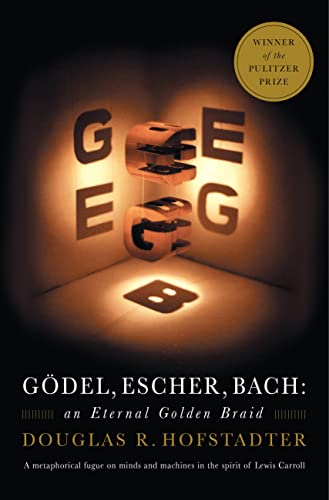
This book mirrors the encyclopedic and interdisciplinary ambition of Lem, exploring the nature of consciousness, patterns, and artificial intelligence. It challenges the reader to think about the fundamental structures of reality in a way that resonates with Lem's speculative philosophy.
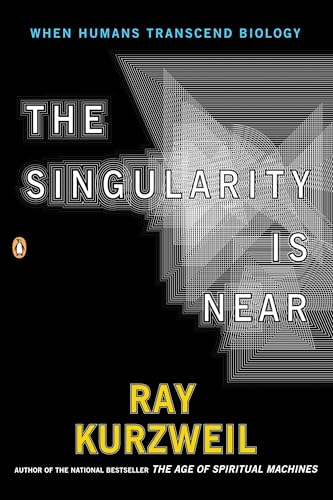
by Ray Kurzweil
While Kurzweil is more optimistic than the often cynical Lem, both authors engage in massive, high-level speculation about the trajectory of technological advancement. Fans of Lem's futurology will appreciate the sheer scale and audacity of these predictions.

As the foundational text of cybernetics, this book provides the scientific and philosophical bedrock for many of the concepts Lem explores in Summa Technologiae. It is essential reading for understanding the technological systems Lem analyzed.

Prefer to listen?
Try Audible and hear the story instead of reading it.
As an Amazon Associate, we earn from qualifying purchases.

Baudrillard's philosophical exploration of reality and hyperreality complements Lem's skepticism regarding human perception and technological mediation. It shares a dense, challenging, and deeply introspective tone.

Dennett provides a rigorous philosophical examination of evolution that echoes Lem's interest in the biological constraints and possibilities of intelligence. Both authors excel at deconstructing complex systems with a sharp, analytical mind.

by Ray Kurzweil
This book serves as a direct conversation with the themes of artificial intelligence and human evolution that Lem pioneered. It is a dense, speculative look at the future that will satisfy readers who enjoy Lem's forward-looking analytical style.

by Neil Postman
Postman offers a critical, cautionary perspective on the dominance of technology in society, which aligns perfectly with Lem's own reservations about unrestrained technological progress. It provides a necessary counter-balance to purely optimistic futurology.

Dawkins explores the biological mechanisms of life with the same scientific detachment and intellectual fascination that Lem brings to his technological theories. It is a masterpiece of scientific writing that forces a radical shift in perspective.

by James Gleick
Gleick chronicles the history and impact of information, providing a comprehensive narrative that mirrors the scope and ambition of Lem's work. It is an essential read for anyone interested in how information shapes the evolution of human civilization.

Love to read on the go?
Explore Kindle e-readers and take your books with you.
As an Amazon Associate, we earn from qualifying purchases.
As an Amazon Associate, we earn from qualifying purchases.