

Based on your book
Sword & Citadel
by Wolfe, Gene
Severian is an apprentice in the Guild of Torturers, exiled for the crime of showing mercy. His journey across a dying Earth, under a bloated, fading sun, is a sprawling meditation on power, memory, and the inevitable decay of civilization. Wolfe writes with a deceptive precision that forces you to question everything the narrator says. You are not just reading a travelogue of a strange, far-future world; you are participating in a complex puzzle where the subtext is often more important than the events themselves. The pacing is deliberate, meditative, and at times profoundly uncomfortable. This is a book for readers who want to be challenged, who enjoy unreliable perspectives, and who are willing to put in the work to decode a narrative that treats the reader as an active participant rather than a passive observer.
10 Books similar to 'Sword & Citadel'
If the dense, atmospheric puzzle of Severian’s journey left you craving more, these selections are curated to satisfy that specific hunger for intellectual challenge. We chose these titles because they share Wolfe’s commitment to unreliable narration, the weight of history, and the melancholy of decaying civilizations. Whether it is the ritualistic claustrophobia found in Gormenghast or the philosophical, reality-bending inquiries of Philip K. Dick, these books mirror the existential depth and literary ambition of the Citadel. They reward a patient reader who finds beauty in the shadows of a world that refuses to offer easy answers.
As an Amazon Associate, we earn from qualifying purchases.

Like Wolfe, Le Guin crafts a deeply philosophical fantasy that prioritizes internal growth and the weight of one's actions over simple spectacle. The prose is lyrical and precise, creating a sense of mythic depth that resonates with the journey of Severian.

This collection of stories set in a decaying, surreal city at the end of time shares the 'dying earth' aesthetic and dreamlike, melancholic atmosphere found in Wolfe's work. It challenges the reader with its unconventional narrative structure and haunting, beautiful prose.

by Mervyn Peake
Peake's masterpiece features a sprawling, decaying castle setting that mirrors the Citadel in its sense of claustrophobia and ancient, unchanging tradition. The dense, descriptive writing style and focus on ritualistic power dynamics will feel very familiar to fans of Gene Wolfe.

by Jack Vance
As the foundational text for the 'dying earth' subgenre, Vance's work heavily influenced Wolfe's vision of a world where the sun is fading. While Vance is more whimsical and picaresque, the sense of a grand, ancient history looming over the characters is identical.

Love to read on the go?
Explore Kindle e-readers and take your books with you.
As an Amazon Associate, we earn from qualifying purchases.
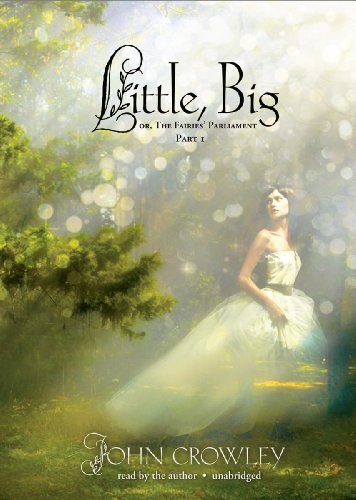
by John Crowley
Crowley's intricate, multi-generational tale possesses a similar 'puzzle-box' quality to Wolfe's writing, where the true nature of reality is hidden just beneath the surface. It demands careful reading and rewards the audience with profound emotional and intellectual payoffs.

For readers who enjoy the political machinations and the cold, analytical perspective of Severian, this novel offers a brutal look at empire and identity. It features a protagonist who must navigate complex power structures while grappling with profound moral dilemmas.
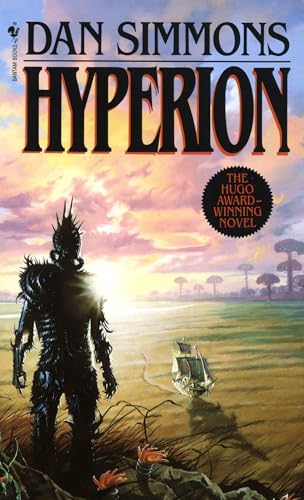
by Dan Simmons
This science fiction epic utilizes a complex, multi-perspective narrative structure that requires the reader to piece together the truth, much like the unreliable narration in The Book of the New Sun. It blends high-concept genre elements with deep philosophical and religious inquiry.

Dick's exploration of alternate realities and the nature of perception aligns perfectly with the themes of reality-bending and unreliable narration found in Wolfe's work. It is a disorienting, intellectual experience that forces the reader to question the stability of the world presented.

This dense, challenging post-apocalyptic novel shares the literary ambition and complex, non-linear storytelling style of Gene Wolfe. It creates an immersive, claustrophobic environment that demands total engagement from the reader to decipher its mysteries.

Ishiguro uses a fantasy setting to explore deep themes of memory, trauma, and the collective history of a society, mirroring the way Wolfe uses genre to explore the human condition. The slow, deliberate pacing and the sense of a world shrouded in mystery will appeal to fans of the Citadel.

Not sure what they've already read?
Let them pick their next favorite with an Amazon Gift Card.
As an Amazon Associate, we earn from qualifying purchases.
As an Amazon Associate, we earn from qualifying purchases.