

Based on your book
Teaching For People Who Prefer Not To Teach
by Bayerdoerfer, Mirjam
Many people find themselves in roles that require instruction or mentorship despite lacking the natural flair for traditional performance-based teaching. Mirjam Bayerdoerfer validates this internal friction, offering a roadmap for those who feel like imposters in the classroom or boardroom. Rather than pushing you to adopt a boisterous, extroverted teaching persona, the book focuses on how to leverage your existing personality and internal logic to facilitate learning. The writing is quiet, analytical, and deeply practical, stripping away the performative expectations that lead to burnout. It feels less like a textbook and more like a long-overdue conversation with a mentor who understands that you do not need to be a showman to be effective. This is an essential read for the quiet professional, the reluctant trainer, or anyone who wants to educate others without losing their sense of self in the process.
10 Books similar to 'Teaching For People Who Prefer Not To Teach'
If you finished this book and felt a sense of relief, our curated list will help you further dismantle the pressure to perform. We have selected these titles because they challenge the rigid, authoritarian models of education that often cause internal conflict for those who prefer a more organic approach. Whether you are looking for structural frameworks to reduce daily friction or philosophical shifts to reclaim your integrity, these books focus on building genuine relationships and sustainable habits. They collectively argue that effective guidance is defined by presence and clarity rather than volume or rigid control.
As an Amazon Associate, we earn from qualifying purchases.
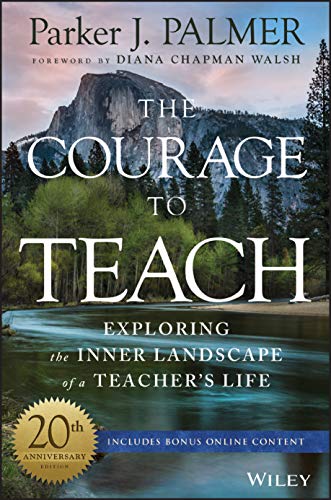
Like Bayerdoerfer's work, this book focuses on the human element of teaching rather than just technical methodologies. It encourages educators to reconnect with their own identity and integrity, making it a perfect companion for those who find the traditional 'teacher persona' daunting.

by Rafe Esquith
This book offers a refreshing, unconventional approach to classroom management and student engagement that aligns with the 'prefer not to teach' ethos of stripping away unnecessary bureaucracy. It emphasizes building a genuine, trusting culture over rigid academic performance.

For readers who feel alienated by standard teaching practices, Gatto provides a critical, eye-opening look at the flaws of the modern education system. It validates the feeling of being an outsider in the profession while offering a new perspective on what true learning looks like.

This book shifts the focus away from traditional, often stressful discipline methods toward building relationships, which resonates with the desire to make teaching feel less like 'policing' and more like guiding. It provides a gentler, more effective path for those who struggle with the adversarial nature of some teaching styles.

Love to read on the go?
Explore Kindle e-readers and take your books with you.
As an Amazon Associate, we earn from qualifying purchases.

by Rosamund Stone Zander and Benjamin Zander
While not strictly about teaching, this book is essential for anyone who feels the weight of 'having to teach' or perform. It uses stories and exercises to shift one's mindset from scarcity and pressure to abundance and creativity, mirroring the liberating philosophy of Bayerdoerfer.

by Paulo Freire
This is a foundational text for anyone questioning the traditional power dynamics between teacher and student. It challenges the 'banking' model of education, offering a liberating, collaborative alternative that appeals to those who dislike the authoritarian aspects of teaching.

by James Clear
For those who find the act of teaching overwhelming, this book offers a modular, low-pressure approach to habit formation that can be applied to lesson planning and classroom interaction. It helps break down the 'teaching' process into manageable, non-intimidating steps.

While this is a classic 'how-to' guide, it is recommended here because it demystifies the anxiety-inducing aspects of classroom management. It provides the structure that allows someone who 'prefers not to teach' (or finds it stressful) to build a system that runs itself, reducing daily friction.

by Peter Gray
Gray provides a compelling argument for self-directed education, which is the ultimate relief for the teacher who dislikes the burden of direct instruction. It validates the idea that sometimes the best thing a teacher can do is step back and facilitate rather than control.

by Greg McKeown
This book is perfect for the educator who feels burnt out by the 'everything is important' mentality of teaching. It provides a framework for cutting out the non-essentials, allowing you to focus on the few things that truly matter in the classroom, thereby reducing the stress of the job.

Not sure what they've already read?
Let them pick their next favorite with an Amazon Gift Card.
As an Amazon Associate, we earn from qualifying purchases.
As an Amazon Associate, we earn from qualifying purchases.