
Based on your book
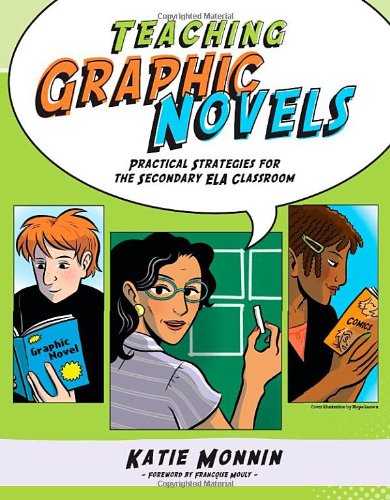
Teaching Graphic Novels
by Katie Monnin
Katie Monnin's "Teaching Graphic Novels" is a practical and genuinely thought-provoking guide for educators looking to bring the power of visual storytelling into their classrooms. This isn't just a "how-to" on adding graphic novels to a reading list; it's an empowering deep dive into understanding the unique literacy skills they demand. Monnin breaks down how to teach everything from image analysis to crafting standards-based lessons, making the complex accessible. Reading it feels like having an expert friend walk you through the nuances of a rich, often misunderstood medium, inspiring you to rethink what "reading" truly means. It's for any secondary teacher, librarian, or curriculum designer eager to expand their pedagogical toolkit and engage students with a vibrant, vital art form.
10 Books similar to 'Teaching Graphic Novels'
If you appreciated Katie Monnin's insightful approach to integrating graphic novels into education, you'll find plenty more to explore here. We've curated titles that either expand on the unique language and theory behind comics, like Scott McCloud's foundational "Understanding Comics," or offer practical strategies for classroom and library implementation, as Jesse Karp does in "Graphic Novels in Your School Library." These recommendations continue the conversation around empowering students through diverse texts and solidifying graphic novels' place in serious literary study. They share Monnin's commitment to fostering deep reading and critical engagement with all forms of storytelling.
As an Amazon Associate, we earn from qualifying purchases.

This seminal work provides a comprehensive theoretical framework for understanding the unique language of comics, making it indispensable for educators like Monnin who aim to teach the medium effectively. It breaks down the visual grammar and narrative techniques that define graphic novels.
by Douglas Wolk
Wolk offers a critical guide to reading and appreciating comics, delving into their history, genres, and the ways they engage readers. Fans of Monnin's book will appreciate its focus on developing literacy skills specific to the graphic novel format.

by Jesse Karp
Directly addressing the practicalities of integrating graphic novels into an educational setting, Karp's book is a natural companion to Monnin's, offering guidance on selection, collection development, and curriculum integration. It provides actionable strategies for educators.

Chute's work explores the historical and cultural significance of comics, tracing their evolution and arguing for their literary merit. Readers interested in Monnin's advocacy for graphic novels will find Chute's robust defense and insightful analysis compelling.

Prefer to listen?
Try Audible and hear the story instead of reading it.
As an Amazon Associate, we earn from qualifying purchases.

by Will Eisner
Written by one of the pioneers of the graphic novel form, Eisner's book offers a masterclass in the craft of visual storytelling, providing invaluable insights into the principles and techniques that make comics effective. It's a foundational text for understanding the medium from an artist's perspective.

Following up on his seminal 'Understanding Comics,' McCloud explores the future of the medium, particularly in the digital age, and how technology is reshaping its possibilities. This book extends Monnin's discussion by looking at the evolving landscape graphic novel educators need to consider.

While not specifically about graphic novels, Miller's influential book advocates for student-centered reading practices that foster a lifelong love of reading, a goal shared by educators introducing engaging new forms like graphic novels. It champions student choice and independent reading.

by Azar Nafisi
This powerful memoir recounts a teacher's secret literature class in revolutionary Iran, highlighting the transformative power of storytelling and the act of teaching under challenging circumstances. It resonates with Monnin's underlying passion for the educational value of literature.

by Lucy Calkins
Calkins's foundational text on writing pedagogy emphasizes process-oriented instruction and empowering student voices, principles that are highly applicable to teaching the narrative and communicative aspects of graphic novels. It provides a robust framework for literacy instruction.
by Alan Jacobs
Jacobs's book encourages readers to reclaim the joy and depth of reading in a fast-paced world, advocating for thoughtful engagement with texts. This aligns with Monnin's goal of helping educators teach students to deeply appreciate and analyze graphic novels as a legitimate art form.

Love to read on the go?
Explore Kindle e-readers and take your books with you.
As an Amazon Associate, we earn from qualifying purchases.
As an Amazon Associate, we earn from qualifying purchases.