

Based on your book
Techno-Feudalism
by Yanis Varoufakis
Yanis Varoufakis argues we've moved beyond capitalism into something new and unsettling: techno-feudalism. He makes the case that 'cloud capital' and vast digital platforms have supplanted traditional markets, acting less like competitive businesses and more like feudal lords. They extract tribute, or 'rents,' from everyone connected to them, controlling access and shaping behavior through algorithms. This isn't just an economic shift; it's a fundamental change in power dynamics, where a few tech giants command the digital landscape, dictating terms and accumulating immense wealth without genuine competition. Reading this book feels like taking a rigorous, eye-opening tour through our contemporary economic landscape, guided by a sharp, unsparing analyst. It's for anyone who looks at the modern world and senses a profound, almost dystopian shift beneath the surface, and wants a meticulously argued, intellectual framework to understand it.
10 Books similar to 'Techno-Feudalism'
If Varoufakis’s sharp analysis of digital power structures resonated with you, our recommended reads continue that crucial conversation. These selections delve deeper into the intricate power dynamics reshaping our world, whether through the lens of surveillance capitalism, the rise of platform economies, or the historical roots of wealth extraction. We’ve curated books that explore how technology has fundamentally altered societal structures, showing the behind-the-scenes mechanisms that define our new economic reality. They offer critical social commentary on the shift from traditional capitalism to new forms of rentier wealth, prompting further thought on where we might be headed.
As an Amazon Associate, we earn from qualifying purchases.

Like Varoufakis, Zuboff explores how tech giants have fundamentally altered the structure of our economy, moving from traditional markets to a new form of power. This book provides a deeply researched look at how human experience is being commodified into behavioral data.

by Nick Srnicek
This book serves as a perfect companion piece to Techno-Feudalism, detailing the rise of 'platform' business models that prioritize data extraction over production. It provides the essential economic framework for understanding why tech companies function more like landlords than traditional manufacturers.

While Varoufakis focuses on digital rent, Christophers examines the physical reality of rentier capitalism through the privatization of land. Both authors argue that we are returning to a feudal-like state where wealth is extracted through ownership rather than generated through innovation.

Graeber’s witty and observational critique of modern labor complements Varoufakis's macro-economic theories by showing the human cost of our current system. It explores how the shift in our economic structure has led to the creation of meaningless work that serves to maintain power hierarchies.

Love to read on the go?
Explore Kindle e-readers and take your books with you.
As an Amazon Associate, we earn from qualifying purchases.
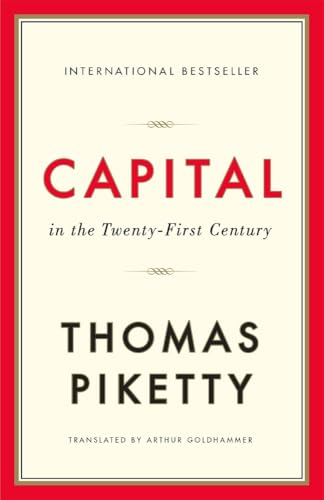
For readers who enjoyed the historical and systemic analysis of Techno-Feudalism, Piketty offers a comprehensive look at the evolution of wealth inequality. His focus on how the return on capital outpaces economic growth mirrors Varoufakis's concerns about the new rentier class.

by Jason Hickel
Hickel provides a global perspective on the power dynamics and political structures that Varoufakis critiques. This book is essential for understanding how the 'techno-feudal' shift impacts the global south and maintains historical patterns of extraction.

by Peter Frase
Frase uses a mix of social science and speculative analysis to imagine where our current trajectory might lead, including a 'rentism' future that aligns perfectly with Varoufakis's thesis. It is a thought-provoking exploration of how technology could either liberate or further enslave us.

by Leigh Phillips and Michal Rozworski
This book explores the internal planning mechanisms of massive corporations, arguing that we already live in a planned economy, just one run by private interests. It echoes Varoufakis's observations about how digital platforms have replaced the free market with algorithmic command.

by Mark Blyth
Mark Blyth’s sharp, often cynical analysis of economic policy will resonate with fans of Varoufakis's writing style. He deconstructs the political decisions that have led to our current economic malaise, providing a historical context for the rise of techno-feudalism.

by Paul Mason
Mason argues that information technology is fundamentally incompatible with capitalism, leading us toward a new economic era. Like Varoufakis, he looks at the 'vibe' of the digital age and attempts to map out a path toward a more equitable future.

Not sure what they've already read?
Let them pick their next favorite with an Amazon Gift Card.
As an Amazon Associate, we earn from qualifying purchases.
As an Amazon Associate, we earn from qualifying purchases.