

Based on your book
Technopoly: The Surrender of Culture to Technology
by Neil Postman
In Technopoly, Neil Postman lays out a disquieting argument: we haven't just adopted technology; we've allowed it to remake our entire culture, subtly shifting our values from humanistic ideals to the cold logic of efficiency and data. Reading it feels like having a brilliant, slightly worried friend explain exactly how we collectively sleepwalked into a society where technological solutions are always prioritized, often at the expense of deeper human meaning. It's a deeply analytical and philosophical journey, not a quick read, but one that will fundamentally alter how you view the devices and systems that govern your daily life. This book is for anyone who enjoys rigorous social commentary and isn't afraid to confront uncomfortable truths about our modern world, particularly those who appreciate a dystopian lens on contemporary issues.
10 Books similar to 'Technopoly: The Surrender of Culture to Technology'
If Neil Postman's Technopoly resonated with your concerns about technology's pervasive influence, these recommendations will continue to challenge your perspective. We've curated a list that explores the same thought-provoking themes of cultural analysis, power dynamics, and the subtle creep of a dystopian society. Whether you're interested in the historical progression of media's impact, the psychological effects of digital life, or fictional allegories that mirror Postman's warnings, you'll find kindred spirits here, all grappling with humanity's complex relationship with its own creations.
As an Amazon Associate, we earn from qualifying purchases.

by Neil Postman
Postman's earlier, seminal work directly foreshadows "Technopoly" by meticulously analyzing how television transformed public discourse from a print-based, rational culture into an entertainment-driven spectacle, fundamentally altering how we perceive truth and reality. Readers will find the same incisive critique of media's impact on society and culture.

Carr extends Postman's critique into the digital age, exploring how the internet's structure and constant flow of information are physically reshaping our brains, diminishing our capacity for deep thought and sustained attention. It offers a contemporary, neuroscience-backed perspective on the "surrender of culture to technology."

Huxley's dystopian masterpiece explores a society where technological advancements in biology and psychology are used to create a perfectly controlled, pleasure-driven populace devoid of genuine freedom and critical thought. It serves as a powerful fictional allegory for Postman's concerns about technology's subtle but pervasive control over human values and autonomy.

Orwell's iconic novel depicts a totalitarian regime that maintains absolute control through surveillance, propaganda, and the manipulation of language and history, echoing Postman's worries about how information and media can be used to shape reality. While more overtly political, its themes of truth, power, and the control of thought resonate deeply with "Technopoly."

Not sure what they've already read?
Let them pick their next favorite with an Amazon Gift Card.
As an Amazon Associate, we earn from qualifying purchases.
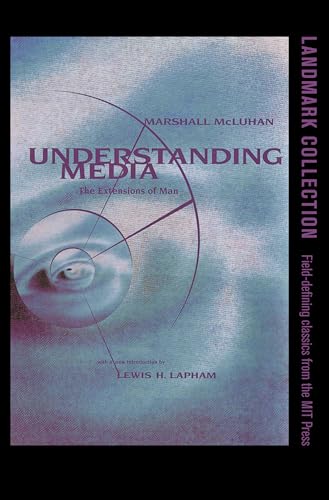
McLuhan's groundbreaking work introduces the concept that "the medium is the message," arguing that the form of media, not just its content, fundamentally shapes human consciousness and society. This foundational text provides the theoretical underpinnings for many of Postman's arguments about technology's pervasive influence on culture.

by Edward S. Herman & Noam Chomsky
Herman and Chomsky meticulously detail how mass media functions as a propaganda system in democratic societies, shaping public opinion to serve elite interests. This book provides a detailed, empirical analysis of the "information glut" and its political manipulation, a core concern in Postman's critique of technopoly.

by James Gleick
Gleick offers a sweeping history of information itself, from ancient communication to the digital age, revealing how our understanding and manipulation of information have consistently reshaped human thought and society. It provides a broad historical and scientific context for Postman's specific critique of information's role in a technopoly.

Putnam's sociological study investigates the decline of social capital and community engagement in America, attributing much of this to shifts in media consumption and the rise of individualistic technologies like television. It empirically demonstrates the societal fragmentation and loss of shared purpose that Postman warns can result from a technologically driven culture.

Zuboff provides a profound and urgent analysis of how digital technologies have evolved into a new economic order that profits from predicting and modifying human behavior, extending Postman's concerns about technological control into the realm of data and surveillance. It's a contemporary and chilling look at the ultimate consequences of a technopoly.

Thoreau's classic offers a philosophical counterpoint to the technological and materialistic excesses Postman critiques, advocating for a deliberate, simple life closer to nature. It challenges readers to critically examine societal norms and the true value of progress, providing a timeless reflection on human purpose outside the demands of a complex, technology-driven world.

Prefer to listen?
Try Audible and hear the story instead of reading it.
As an Amazon Associate, we earn from qualifying purchases.
As an Amazon Associate, we earn from qualifying purchases.