
Based on your book
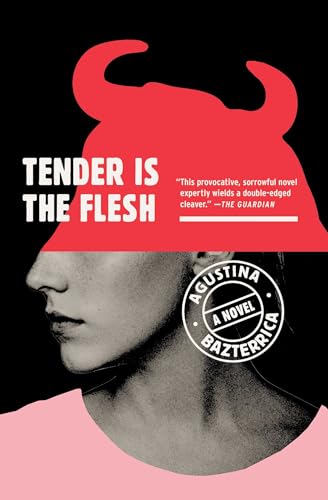
Tender Is the Flesh
by Bazterrica, Agustina
After a virus renders animal meat poisonous, society pivots to the industrial farming of humans. You follow Marcos, a man who works at a processing plant, as he navigates a world where cannibalism is not just legal but a bureaucratic, everyday necessity. The writing is intentionally cold and sterile, creating a sense of dread that sticks to you long after you close the book. It does not rely on gore for shock value alone; instead, it forces you to sit with the terrifying ease with which humanity can rationalize atrocity. This is not a casual read. If you enjoy fiction that acts as a mirror to our own complicity in systemic cruelty and you have a strong stomach for philosophical nihilism, you will find this impossible to put down. It is a bleak, surgical examination of how quickly morality collapses under the pressure of normalcy.
10 Books similar to 'Tender Is the Flesh'
Since you are clearly drawn to narratives that dissect the darkest corners of human compliance and societal collapse, these ten titles were selected to continue that conversation. We focused on books that mirror the clinical, unflinching gaze found in Bazterrica’s work, specifically those that explore the commodification of the body and the fragility of ethics. Whether you are interested in the psychological disintegration seen in the works of Han Kang and Sayaka Murata or the institutionalized horror of Atwood and Ishiguro, these selections echo that same unsettling, thought-provoking atmosphere of systemic decay.
As an Amazon Associate, we earn from qualifying purchases.

Like Tender Is the Flesh, this novel presents a harrowing, post-apocalyptic vision of humanity pushed to its absolute limits, where survival often demands the unthinkable. Both books strip away societal veneer to expose the raw, bleak reality of human nature under extreme duress.
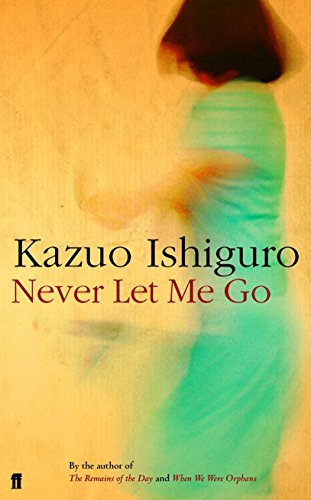
This novel shares the unsettling, clinical detachment of Bazterrica’s work, exploring a society that treats human beings as commodities for the benefit of others. It forces the reader to confront the ethical horrors of a system that is presented as mundane and necessary.

Saramago masterfully depicts the rapid disintegration of social order during a crisis, mirroring the visceral societal collapse found in Tender Is the Flesh. Both works use a nightmarish premise to conduct a brutal, unflinching experiment on human behavior and morality.

Atwood’s classic dystopian exploration of institutionalized dehumanization and the commodification of the body resonates deeply with the themes in Tender Is the Flesh. Both books serve as chilling critiques of how easily societies can normalize atrocities through political and cultural manipulation.

Prefer to listen?
Try Audible and hear the story instead of reading it.
As an Amazon Associate, we earn from qualifying purchases.

This book shares the transgressive, disturbing, and deeply cynical view of societal norms found in Bazterrica's writing. It follows characters who reject the 'factory' of society, leading to shocking conclusions that challenge the reader's perception of normalcy.

Both novels utilize a disturbing, violent premise to question the nature of free will and the morality of a society that creates its own monsters. The visceral nature of the prose and the unflinching look at human depravity make them natural companions.

by J.G. Ballard
Ballard’s novel explores the rapid descent into savagery within a confined, civilized space, mirroring the way Tender Is the Flesh treats the slaughterhouse as a normalized part of daily life. It is a brilliant, claustrophobic study of how quickly social structures can crumble.

by Eric LaRocca
This novella matches the clinical, detached, and deeply disturbing tone of Bazterrica’s work, focusing on the psychological manipulation and horrific lengths people will go to in relationships. It is a short, sharp shock that explores the darkness of human obsession.

by Han Kang
This novel explores the physical and psychological toll of rejecting societal expectations, leading to a surreal and harrowing transformation. Like Tender Is the Flesh, it uses the body as a site of protest and horror, examining the violence inherent in everyday life.

Both books utilize a detached, almost procedural writing style to describe horrific acts of violence, forcing the reader to engage with the banality of evil. They serve as scathing satires of consumerist societies that view human life as a disposable resource.

Love to read on the go?
Explore Kindle e-readers and take your books with you.
As an Amazon Associate, we earn from qualifying purchases.
As an Amazon Associate, we earn from qualifying purchases.