

Based on your book
Testosterone
by Jordan-Young, Rebecca M.
We have spent decades reducing the complexities of human personality and behavior to a single hormonal culprit. In Testosterone, Rebecca M. Jordan-Young dismantles the pervasive myth that this one molecule acts as a master switch for aggression, dominance, or masculinity. Instead of accepting the standard biological shorthand, the book traces how cultural biases have seeped into the very foundations of scientific research. The reading experience is clinical yet deeply provocative, moving with the precision of a detective story that insists on re-examining the evidence. It is a slow, methodical unraveling of academic consensus that leaves you questioning every headline about brain chemistry you have ever read. If you enjoy intellectual heavy lifting and have an appetite for challenging the status quo, this book will fundamentally shift how you view the intersection of biology and identity.
10 Books similar to 'Testosterone'
Since you found the deconstruction of scientific narratives in Testosterone so compelling, our list focuses on authors who similarly expose how societal prejudice hides behind the guise of objective data. Whether through the lens of neurosexism in The Gendered Brain or the systemic data gaps explored in Invisible Women, these selections share a commitment to rigorous skepticism. They tackle the same moral dilemmas regarding how we define human nature, offering a broader look at the cultural architecture that props up outdated biological myths. These books provide the perfect framework for continuing your exploration of power dynamics and identity.
As an Amazon Associate, we earn from qualifying purchases.

Like Jordan-Young's work, this book meticulously dismantles the scientific myths surrounding gendered brain differences. It shares a sharp, analytical tone and a commitment to exposing how cultural biases shape scientific research.

by Angela Saini
This book acts as a perfect companion to 'Testosterone,' investigating the historical and scientific prejudices that have long marginalized women in biology and evolutionary science. It is equally rigorous, accessible, and deeply critical of established academic narratives.

by Gina Rippon
Rippon provides a comprehensive critique of neurosexism that aligns perfectly with the deconstructionist approach of Jordan-Young. Readers will appreciate the similar focus on how societal expectations are often mistaken for biological imperatives.
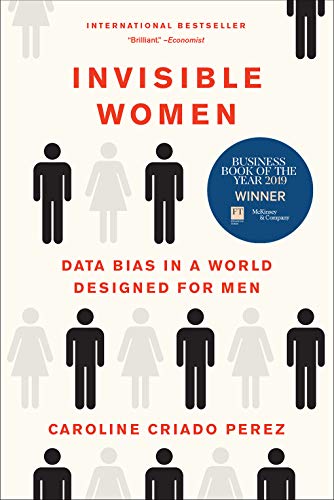
While focusing on data rather than biology, this book shares the same DNA as 'Testosterone' in its exposure of how male-centric assumptions skew our understanding of the world. It is a powerful, evidence-based critique that fans of Jordan-Young will find indispensable.

Not sure what they've already read?
Let them pick their next favorite with an Amazon Gift Card.
As an Amazon Associate, we earn from qualifying purchases.

by Cat Bohannon
This book offers a fresh, corrective lens on evolutionary biology, much like Jordan-Young's work challenges the 'testosterone as a master molecule' narrative. It is a sweeping, fascinating look at how female biology has been central, rather than peripheral, to human history.

A foundational text in the field, this book provides the scholarly bedrock for the arguments presented in 'Testosterone.' It is essential reading for anyone interested in the intersection of biology, culture, and the construction of sex and gender.

Gould’s classic critique of biological determinism and the misuse of science to justify social inequality is a spiritual predecessor to Jordan-Young’s work. Fans of 'Testosterone' will recognize the same rigorous, skeptical approach to scientific 'facts.'
While the user asked for similar books, Jordan-Young's earlier work is the direct intellectual precursor to 'Testosterone' and provides a deeper dive into the specific neuroscientific studies that perpetuate gender myths. It is the perfect next step for readers who want to understand the author's broader thesis.

Kendall’s work challenges the narrow, often privileged focus of mainstream gender discourse, mirroring the way Jordan-Young challenges the narrow focus of hormonal science. It is a sharp, necessary critique of how we define 'the norm' in gender studies.

This book examines how biology and social conditioning intersect to suppress or pathologize women's emotions, particularly anger. It shares the same 'Testosterone' vibe of questioning the scientific and cultural narratives that dictate how we perceive human behavior.

Prefer to listen?
Try Audible and hear the story instead of reading it.
As an Amazon Associate, we earn from qualifying purchases.
As an Amazon Associate, we earn from qualifying purchases.