

Based on your book
The Age of Innocence
by Edith Wharton
Newland Archer believes he has everything mapped out: a respectable marriage to the quintessential debutante May Welland and a comfortable existence within the suffocating, velvet-lined walls of 1870s New York high society. That is until Countess Ellen Olenska arrives, a woman whose unconventional spirit and refusal to play by the unspoken rules of their tribe threaten to dismantle his carefully constructed reality. This is not a story of grand, sweeping gestures, but of the quiet, agonizing violence of social conformity. Wharton writes with a surgeon's precision, exposing the cruelty hidden behind polite tea service and formal dinners. The pacing is deliberate, mirroring the stagnation of the era, and the emotional payoff is a slow-burning ache that lingers long after the final page. This book is for readers who appreciate psychological depth and the sharp sting of biting, elegant social satire.
10 Books similar to 'The Age of Innocence'
Since you appreciate the way Wharton balances personal desire against the crushing weight of social expectation, these selections were chosen to expand on that specific tension. You will find the same preoccupation with the traps of class and marriage in the works of Austen and Eliot, while Fitzgerald and Larsen offer a more modern, yet equally melancholic, take on the performance of identity. Whether you are looking for the biting cynicism of the Gilded Age or the quiet tragedy of star-crossed lovers, these stories echo the moral dilemmas and atmospheric complexity that define Newland Archer's world.
As an Amazon Associate, we earn from qualifying purchases.

Also written by Wharton, this novel explores the rigid social hierarchy of New York high society with the same sharp, observant wit found in The Age of Innocence. It follows Lily Bart, a woman whose struggle to maintain her social standing leads to a tragic and deeply moving downfall.

by E.M. Forster
This novel captures the friction between societal expectations and personal desires, much like Newland Archer's dilemma. It offers a lighter but equally insightful look at the constraints of Edwardian social etiquette and the pursuit of romantic freedom.

by Henry James
Sharing Wharton's focus on the American abroad and the complexities of high-society marriage, James delivers a masterful psychological study of Isabel Archer. Her journey of independence within a restrictive social framework mirrors the internal struggles found in Wharton's work.
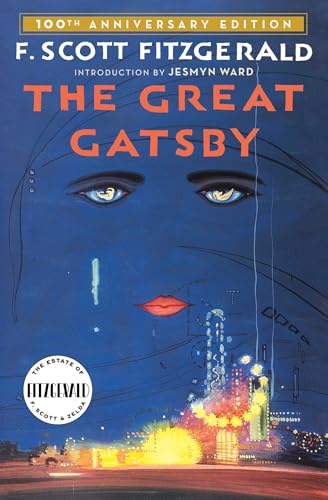
Fitzgerald provides a quintessential look at the American Dream and the superficiality of the wealthy, echoing the social critiques present in The Age of Innocence. The narrative voice is equally evocative and captures the melancholy of unattainable love.

Prefer to listen?
Try Audible and hear the story instead of reading it.
As an Amazon Associate, we earn from qualifying purchases.

by George Eliot
This sweeping masterpiece offers a profound examination of the lives, ambitions, and disappointments of a provincial community. Its meticulous character development and focus on the limitations placed on individuals by society will resonate deeply with Wharton fans.

by Nella Larsen
Set in the 1920s, this novel masterfully explores the constraints of identity and social performance within a rigid hierarchy. Its tension-filled narrative and focus on the unspoken rules of society make it a perfect companion to Wharton's themes.

by Kate Chopin
Like Wharton, Chopin explores the stifling nature of 19th-century societal expectations on women. The protagonist's internal conflict and eventual rebellion against these norms provide a powerful, emotional counterpoint to the repression seen in The Age of Innocence.

This novel delves into the disintegration of a marriage and the complexities of social status, mirroring the emotional weight and psychological depth of Wharton's writing. It is a stunning portrayal of how personal desires are often crushed by the weight of expectations.

If you enjoyed the biting social satire of The Age of Innocence, this novel takes that critique even further. It follows the ambitious Undine Spragg as she maneuvers through elite circles, offering a sharper, more cynical look at the same Gilded Age world.

by Jane Austen
Austen's exploration of marriage, money, and social standing set the standard for the genre Wharton later mastered. Readers who appreciate the delicate balance of duty and passion in The Age of Innocence will find much to admire in the Dashwood sisters' dilemmas.

Love to read on the go?
Explore Kindle e-readers and take your books with you.
As an Amazon Associate, we earn from qualifying purchases.
As an Amazon Associate, we earn from qualifying purchases.