

Based on your book
The AI Con
by Emily M. Bender
The AI Con isn't here to scare you with robot overlords or futuristic dystopias; it’s here to give you the straight truth about what "AI" actually means today. Emily M. Bender and her co-author pull back the curtain on the tech industry's carefully constructed narrative, showing how the hype around artificial intelligence serves to justify power grabs, expand surveillance, and devalue human labor. Reading this book feels like a clear-headed, no-nonsense conversation with a brilliant friend who's finally clarifying all the confusing headlines. It's an empowering, analytical read that equips you with the critical lens needed to spot the exploitation hidden beneath glossy tech promises. This is for anyone who's tired of the buzzwords and wants to understand the actual social and political implications of current AI systems, empowering them to push back.
10 Books similar to 'The AI Con'
If The AI Con sharpened your eye for the hidden power dynamics in technology, you’ll find plenty more to consider in these recommendations. We've curated books that continue its vital social commentary, digging into the real-world impact of algorithms and automation. These titles explore algorithmic bias, the human cost of ghost work, and the pervasive nature of surveillance capitalism, all echoing Bender's call for critical engagement with tech’s promises. They offer further tools to understand and resist the ways technology can amplify inequality and reshape society.
As an Amazon Associate, we earn from qualifying purchases.

by Cathy O'Neil
This book critically examines how algorithms, often presented as objective, can perpetuate and exacerbate existing inequalities, particularly impacting the poor and marginalized. Fans of "The AI Con" will appreciate its rigorous analysis of algorithmic bias and its real-world societal consequences, echoing Bender and Hanna's demystification of AI's purported neutrality.

Eubanks provides a powerful, on-the-ground investigation into how automated systems in public services often harm, rather than help, vulnerable populations. Readers who value "The AI Con"'s focus on the social justice implications of technology will find this book's detailed case studies and ethical critique highly resonant.

Zuboff's seminal work exposes how tech companies extract vast amounts of personal data for profit, creating a new economic order she terms "surveillance capitalism." This book provides a broader, yet deeply relevant, framework for understanding the power structures and economic incentives driving many of the AI systems critiqued in "The AI Con."

Noble meticulously demonstrates how search engine algorithms, far from being neutral, often perpetuate racist and sexist stereotypes, particularly impacting Black women. This book aligns perfectly with "The AI Con"'s emphasis on the inherent biases and social harms embedded within AI systems and the need for critical scrutiny.

Not sure what they've already read?
Let them pick their next favorite with an Amazon Gift Card.
As an Amazon Associate, we earn from qualifying purchases.

by Mary L. Gray and Siddharth Suri
This book uncovers the hidden human labor—"ghost work"—that powers many AI and automation systems, revealing the precarious conditions of the workers behind the scenes. Fans of "The AI Con" will appreciate its deep dive into the human cost and ethical implications of AI, highlighting the often-invisible exploitation that underpins advanced technology.

Broussard offers a grounded and often humorous critique of the exaggerated claims and limitations of artificial intelligence, advocating for a more realistic understanding of what computers can and cannot do. Readers who enjoyed "The AI Con"'s demystification of AI hype will find this book's practical and critical perspective highly engaging.
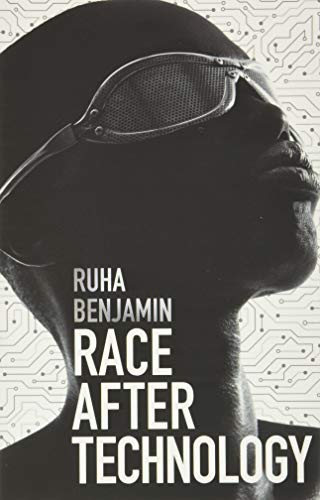
Benjamin explores how technological design and deployment can reproduce and amplify racial hierarchies, coining the term "the New Jim Code." This book is a crucial read for those who appreciate "The AI Con"'s rigorous examination of technology's intersection with social justice and its potential for systemic harm.

by Jaron Lanier
A pioneering critique of digital culture, Lanier's book challenges the utopian promises of the internet and digital platforms, arguing they often diminish human creativity and individuality. While broader than AI, its philosophical and critical stance on technology's impact on human experience and meaning will resonate with readers of "The AI Con."

by George Dyson
Dyson provides a fascinating historical account of the intellectual pioneers and early machines at the Institute for Advanced Study that laid the groundwork for modern computing and AI. For readers of "The AI Con" interested in understanding the foundational ideas and figures behind today's AI, this book offers essential context and a deeper appreciation of the field's origins.

Carr explores how increasing automation, including AI, changes human skills, attention, and our relationship with the world, often leading to a loss of agency and meaning. Fans of "The AI Con" will appreciate this book's thoughtful examination of the human consequences of relying too heavily on technology and its impact on our cognitive and experiential lives.

Prefer to listen?
Try Audible and hear the story instead of reading it.
As an Amazon Associate, we earn from qualifying purchases.
As an Amazon Associate, we earn from qualifying purchases.