

Based on your book
The Air We Breathe
by Scrivener, Glen
Glen Scrivener asks a disarmingly simple question: why do we value things like equality, compassion, and human rights so highly in the modern West? He argues that these aren't just self-evident truths we stumbled upon, but rather the inherited legacy of a Christian worldview that has become so pervasive we no longer notice it. The book feels like a long, steady conversation with a friend who is gently pointing out the foundations of your own house. It is neither a dry academic treatise nor a heavy-handed sermon; instead, it is a calm, analytical look at the invisible air we all breathe. You will find this particularly rewarding if you enjoy pulling apart the threads of your own cultural assumptions or if you are interested in how historical beliefs continue to shape our current sense of justice and identity.
10 Books similar to 'The Air We Breathe'
If the intellectual clarity of The Air We Breathe left you wanting to trace these cultural threads even further, our curated list provides the necessary depth. We have selected these titles to help you explore the intersection of history, faith, and modern identity. Whether you want to dig into the philosophical weight of a secular age, examine the messy historical record of the church, or find practical ways to navigate a shifting society, these books offer a bridge from Scrivener's diagnosis to a deeper understanding of how our moral landscape was formed.
As an Amazon Associate, we earn from qualifying purchases.

by Tom Holland
This book provides a sweeping historical analysis of how Christianity fundamentally altered the moral landscape of the West, serving as a perfect companion to Scrivener's exploration of our modern cultural assumptions. It offers a similarly intellectual and deeply researched look at the origins of values like human rights and equality.

by Rod Dreher
Like Scrivener, Dreher engages deeply with the state of Western culture and how it relates to faith, though he focuses more on the practical implications for believers. Readers who appreciate Scrivener's diagnosis of the modern secular air will find Dreher's prescription for community building equally compelling.

Keller shares Scrivener's gentle, persuasive tone when addressing secular audiences, aiming to show how faith makes sense of the human experience. It is an ideal follow-up for those who enjoyed Scrivener’s ability to bridge the gap between secular values and Christian origins.

This is a foundational text for understanding the 'secular air' that Scrivener describes, providing the philosophical heavy lifting behind the cultural shifts we experience today. It is essential reading for those who want to dive deeper into the intellectual history of how we became a secular society.

Love to read on the go?
Explore Kindle e-readers and take your books with you.
As an Amazon Associate, we earn from qualifying purchases.

by John Dickson
Dickson tackles the historical record of Christianity with the same nuance and honesty that Scrivener brings to his cultural critique. It helps readers navigate the complexities of how Christian influence has been both a source of great good and profound failure.

Chesterton’s classic work offers a unique, witty, and profound perspective on human history and the distinctiveness of Christianity. Fans of Scrivener will recognize the same desire to challenge the conventional secular narrative about the progress of humanity.

Trueman provides a rigorous examination of the cultural and philosophical shifts that have led to our current understanding of identity and self. It complements Scrivener’s work by zooming in on the specific historical developments that have changed our 'air' in recent decades.

by C.S. Lewis
As a master of explaining the logic and beauty of the Christian worldview to a broad audience, Lewis is the spiritual predecessor to Scrivener. Readers who value Scrivener’s clear, accessible, and logical approach will find Lewis’s classic arguments deeply satisfying.
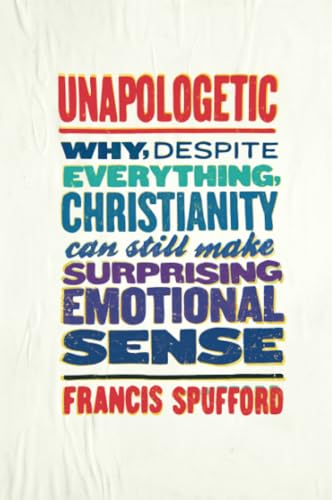
Spufford writes with a raw, honest, and modern voice that resonates with the same desire to communicate faith to the modern secular mind. It shares Scrivener’s goal of demonstrating that Christian concepts are not just historical artifacts, but living realities that address human nature.

This book offers an expansive look at the history of the 'expressive individual,' providing the necessary context for understanding the cultural shifts Scrivener discusses. It is a challenging but rewarding read for anyone interested in the intellectual roots of modern Western culture.

Not sure what they've already read?
Let them pick their next favorite with an Amazon Gift Card.
As an Amazon Associate, we earn from qualifying purchases.
As an Amazon Associate, we earn from qualifying purchases.