

Based on your book
The Alternative Trinity
by Nuttall, A. D.
A.D. Nuttall operates with the precision of a surgeon in this examination of how Western literature grapples with the divine. He moves past surface-level theology to investigate the darker, more unsettling undercurrents in our foundational texts. The experience of reading this is akin to sitting in on a series of rigorous, high-stakes seminars where the stakes are nothing less than the nature of reality and the human soul. It is dense, demanding, and unapologetically intellectual, forcing you to reconsider how figures like Milton and Blake actually structured their internal universes. This is not casual reading; it is a book for those who want to see the scaffolding behind the canon. If you find yourself constantly questioning the intersections of morality, fate, and the literary imagination, Nuttall provides a sharp, sophisticated lens through which to view these existential tensions.
10 Books similar to 'The Alternative Trinity'
Since The Alternative Trinity functions as a map of the Western theological imagination, our list follows those specific breadcrumbs. We selected these titles because they either act as the primary engines of Nuttall's inquiry—like the works of Milton and Blake—or they provide the necessary historical context of Gnosticism and secular philosophy. Whether through the satirical disruption of Bulgakov or the psychological depth of Dostoevsky, these recommendations are chosen to mirror the way Nuttall bridges the gap between abstract academic theory and the raw, lived experience of spiritual and moral struggle.
As an Amazon Associate, we earn from qualifying purchases.

As a primary source text discussed extensively in Nuttall's work, this foundational book provides the direct philosophical and poetic inspiration for the 'alternative trinity' concept. Readers will appreciate the radical, visionary, and theological subversion that Nuttall meticulously unpacks in his own analysis.

by John Milton
Nuttall's analysis frequently circles back to Milton's epic, making this essential reading for understanding the literary roots of the alternative trinity. It offers the same grandeur, theological complexity, and challenging perspective on the nature of evil and divinity that Nuttall explores.

This historical deep dive provides the foundational context for the Gnostic belief systems that Nuttall argues permeate Western literature. It bridges the gap between academic literary criticism and the actual religious texts that inform the 'alternative' theological structures discussed in the original book.

Nuttall shares a similar intellectual curiosity about the psychological and subjective nature of religious belief, a core theme in James's seminal work. Readers who enjoyed Nuttall's analytical approach to the human experience of the divine will find this equally rewarding and insightful.

Not sure what they've already read?
Let them pick their next favorite with an Amazon Gift Card.
As an Amazon Associate, we earn from qualifying purchases.

Much like Nuttall's work, this book traces the evolution of theological concepts through history, offering a scholarly yet accessible exploration of how humans have conceptualized the divine. It perfectly complements Nuttall's investigation into how these concepts manifest in literature and culture.

Dostoevsky’s masterpiece is a profound literary enactment of the very theological and philosophical dilemmas Nuttall writes about. It offers a narrative exploration of the struggle between faith, reason, and the darker aspects of human nature that define the 'alternative trinity'.

Frye's exploration of the structure of romance and its relationship to religious myth aligns closely with Nuttall's critical methodology. Fans of Nuttall's ability to connect literary structures to deeper human and theological truths will find Frye's analysis equally brilliant.

This work serves as a critical companion to understanding the Bible's influence on Western literature, mirroring Nuttall's project of tracing theological archetypes. It provides the same high-level academic rigor and intertextual connections that readers of 'The Alternative Trinity' are likely seeking.
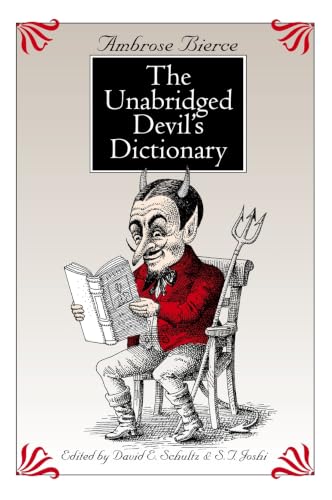
Bierce’s cynical and witty re-evaluation of established concepts provides a lighter, yet equally subversive, take on the power dynamics and definitions that Nuttall explores. It captures the 'alternative' spirit of questioning authority and traditional dogma with sharp, biting intellect.

This novel is a brilliant, satirical embodiment of the 'alternative trinity' themes, featuring the Devil visiting Moscow to disrupt the status quo. It captures the complex blend of theology, dark humor, and philosophical inquiry that Nuttall discusses in his academic work.

Prefer to listen?
Try Audible and hear the story instead of reading it.
As an Amazon Associate, we earn from qualifying purchases.
As an Amazon Associate, we earn from qualifying purchases.