

Based on your book
The Anxious Generation
by Haidt, Jonathan
Jonathan Haidt shifts the focus from individual pathology to a systemic cultural failure in this rigorous examination of modern childhood. He traces a clear, albeit unsettling, timeline of how the transition from a play-based to a phone-based childhood has fundamentally altered the development of young people. The writing is analytical and urgent, yet it remains grounded in a deep concern for the next generation. You will find yourself pausing frequently to process the sociological data Haidt weaves through his arguments, which makes the pacing feel deliberate rather than rushed. This is an essential read for parents, educators, and anyone trying to make sense of the sudden, sharp rise in mental health struggles among Gen Z. It is less a self-help manual and more a diagnostic map of how we inadvertently dismantled the foundations of healthy adolescent growth.
10 Books similar to 'The Anxious Generation'
If the systemic critique in The Anxious Generation resonated with you, these titles offer a broader lens through which to view our digital landscape. We selected these works because they bridge the gap between Haidt's macro-level analysis and the practical, neurological, and emotional realities of living in an hyper-connected world. Whether you are exploring the behavioral psychology of tech design, the erosion of focus, or methods for fostering resilience in children, this collection provides the necessary context to move from understanding the problem to navigating its daily consequences.
As an Amazon Associate, we earn from qualifying purchases.
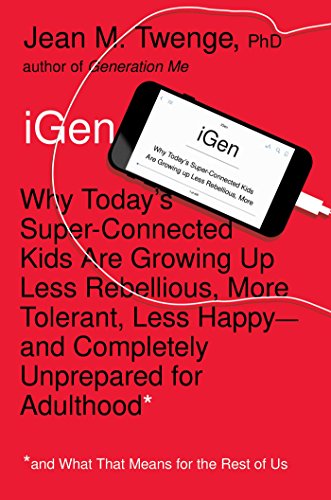
This book provides the foundational sociological data that complements Haidt's arguments, focusing on how the smartphone-wielding generation differs from previous ones. It is essential reading for anyone interested in the empirical evidence behind the mental health trends discussed in The Anxious Generation.

Carr explores the neuroplasticity of the human brain and how digital consumption is physically altering our cognitive processes, mirroring Haidt's concerns about the structural impact of technology on youth. It offers a deep dive into the 'why' behind our diminished attention spans and anxiety levels.

Turkle examines the paradox of being hyper-connected yet emotionally isolated, providing a humanistic perspective on the digital relationships Haidt warns about. It is a perfect companion piece for understanding the erosion of real-world social skills in the age of screens.

by Cal Newport
While Haidt focuses on the diagnosis of the problem, Newport provides a practical, philosophical roadmap for reclaiming one's attention and mental health from the digital attention economy. It serves as an empowering counter-narrative to the passive consumption of social media.

Prefer to listen?
Try Audible and hear the story instead of reading it.
As an Amazon Associate, we earn from qualifying purchases.

by Greg Lukianoff and Jonathan Haidt
Co-authored by Haidt, this book explores the 'three great untruths' that have infiltrated education and parenting, creating a culture of fragility. It provides the necessary context for understanding the cultural and educational shifts that preceded the rise of the anxious generation.

by Johann Hari
Hari investigates the systemic factors—from technology to diet to stress—that are stripping away our ability to focus, aligning perfectly with Haidt's systemic critique of modern childhood. It is a compelling, investigative look at the external forces shaping our internal mental states.
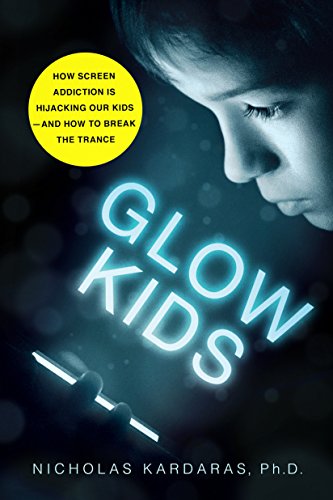
Kardaras takes a more clinical and urgent look at the neurobiological impact of screen time on developing minds, offering a stark warning that echoes Haidt's concerns. It is a highly relevant read for parents and educators worried about the long-term developmental consequences of digital immersion.

While Haidt addresses the societal cause of anxiety, Linsalata provides a compassionate, practical guide for individuals navigating the symptoms themselves. It bridges the gap between the macro-societal analysis of Haidt and the micro-personal reality of living with an anxious mind.

by Adam Alter
Alter explains the behavioral psychology behind why apps and games are designed to be addictive, providing the 'how' behind the 'what' in Haidt's research. It is an essential read for understanding the deliberate design choices that have contributed to the mental health crisis.

Greene offers a constructive, non-punitive approach to parenting that contrasts with the 'over-protected' culture Haidt describes, providing a path forward for healthy development. It is an excellent resource for parents looking to foster resilience and independence in their children without resorting to the control-heavy tactics of the past.

Love to read on the go?
Explore Kindle e-readers and take your books with you.
As an Amazon Associate, we earn from qualifying purchases.
As an Amazon Associate, we earn from qualifying purchases.