

Based on your book
The Anxious Generation
by Jonathan Haidt
Jonathan Haidt's The Anxious Generation pulls back the curtain on a profound shift in childhood, tracing the alarming rise in youth anxiety and depression directly to the smartphone era. This isn't a casual observation; Haidt meticulously presents the data, showing how the disappearance of play-based childhood and the advent of constant digital connection have fundamentally rewired adolescent development. Reading it feels like a sobering, deeply analytical conversation with an expert who genuinely cares. The pacing is clear and direct, laying out the problem with disturbing clarity before pivoting to empowering, actionable solutions. It’s a book for anyone grappling with the mental health crisis among young people, especially parents and educators, who are ready to understand the root causes and consider a path toward a healthier, freer future for the next generation. It’s thought-provoking, yes, but also a call to action.
10 Books similar to 'The Anxious Generation'
If you found The Anxious Generation a vital, unsettling read, our curated list continues that essential conversation. We’ve gathered books that deepen your understanding of technology’s profound impact on the human mind and society, from iGen’s data-driven insights into youth development to Irresistible’s look at how tech hooks us. These selections, like Haidt’s work, offer sharp social commentary and cultural analysis, exploring the loss of genuine connection and the path toward self-improvement in a digitally saturated world. They’re for readers who want to critically examine our modern landscape and find empowering ways to live more intentionally.
As an Amazon Associate, we earn from qualifying purchases.
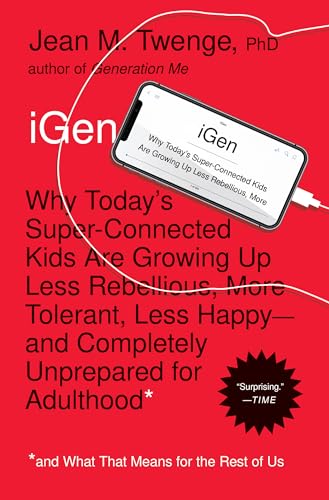
This book offers a direct, data-driven analysis of how smartphones and social media have shaped the generation born after 1995, mirroring Haidt's focus on the mental health crisis among youth. Twenge's research-backed approach and urgent tone will resonate with readers seeking to understand the societal impacts of technology.

by Greg Lukianoff and Jonathan Haidt
Co-authored by Haidt himself, this book directly extends the themes of "The Anxious Generation" by exploring how well-intentioned ideas in education and parenting have inadvertently contributed to the fragility and anxiety of young people. Readers will find the same rigorous analysis and critical perspective on contemporary societal issues.

Turkle's seminal work delves into how technology, particularly social media and robotics, is reshaping human relationships and our sense of self, a core concern echoed in Haidt's analysis of digital connection. The book's reflective and psychological exploration of our evolving social fabric will deeply resonate with Haidt's readers.

by Adam Alter
Alter meticulously examines the psychological and neurological mechanisms behind behavioral addictions, particularly those driven by technology, directly complementing Haidt's discussion of screen time's impact on youth mental health. Readers will gain a deeper understanding of how digital platforms are designed to be compelling and habit-forming.

Prefer to listen?
Try Audible and hear the story instead of reading it.
As an Amazon Associate, we earn from qualifying purchases.

by Cal Newport
While Haidt diagnoses the problem, Newport offers a compelling philosophy and practical solutions for living intentionally with technology, making it a perfect follow-up for readers seeking to reclaim focus and well-being. This book provides an empowering roadmap for navigating the digital landscape that Haidt critiques.

Carr explores the profound cognitive and neurological changes wrought by our constant engagement with the internet, offering a historical and scientific perspective on how digital media reshapes our minds. Fans of Haidt's analytical approach will appreciate Carr's deep dive into the brain's adaptability and the potential costs of our hyper-connected lives.

by Anna Lembke
Dr. Lembke, a psychiatrist, explores the neuroscience of pleasure and pain, and how our modern world of instant gratification and endless stimulation contributes to addiction and suffering. This book provides a crucial neurobiological framework for understanding the compulsive behaviors related to technology that Haidt discusses.

Another masterpiece by Jonathan Haidt, this book delves into the psychological roots of human morality and political divisions, showcasing his signature blend of social psychology, evolutionary theory, and cultural analysis. Readers who appreciate Haidt's intellectual rigor and ability to explain complex societal phenomena will find this equally compelling.

Putnam's groundbreaking work meticulously documents the decline of social capital and civic engagement in America over the last half-century, providing a broader historical and sociological context for the social fragmentation Haidt addresses. Readers interested in the societal underpinnings of modern malaise will find this an essential read.

Zuboff offers a profound and critical examination of the economic system driving the digital platforms that Haidt critiques, exposing how our personal data is harvested and used for profit and control. This book provides a crucial, deeper understanding of the systemic forces at play, appealing to readers seeking a comprehensive and intellectual analysis.

Love to read on the go?
Explore Kindle e-readers and take your books with you.
As an Amazon Associate, we earn from qualifying purchases.
As an Amazon Associate, we earn from qualifying purchases.