

Based on your book
The Architecture of Madness
by Yanni, Carla
Carla Yanni examines the physical structures of 19th-century asylums to reveal how architects and doctors conspired to shape the minds and behaviors of the incarcerated. Rather than viewing these buildings as neutral settings, Yanni treats them as active participants in the history of psychiatry, designed to exert control, encourage order, and reflect the era's shifting moral anxieties. The reading experience is clinical yet haunting, favoring dense analytical inquiry over easy narrative flow. You will find yourself constantly questioning how the walls around us dictate our autonomy. This is for readers who prefer their history grounded in physical evidence and who enjoy peeling back the layers of institutional power. If you are fascinated by the intersection of medical philosophy and the built environment, this book provides a sobering, intellectual look at how we have historically chosen to isolate and manage the human mind.
10 Books similar to 'The Architecture of Madness'
Since The Architecture of Madness bridges the gap between architectural history and the dark evolution of institutional power, our recommendations focus on those same intersections. Whether you are drawn to the granular social history of Victorian cities, the haunting visual decay of abandoned hospitals, or the theoretical frameworks of Foucault, these titles expand on the idea that space is never just space. We selected these works to help you further untangle the complex moral dilemmas and power dynamics that defined how society physically contained, observed, and attempted to cure the mentally ill.
As an Amazon Associate, we earn from qualifying purchases.

As a foundational text that explores the societal construction of insanity, this work shares the same intellectual rigor and historical depth found in Yanni's analysis of institutional spaces. Readers interested in how architecture and social structures dictate the treatment of the mentally ill will find this essential reading.
This book provides a critical lens on the evolution of psychiatric institutions, mirroring Yanni's focus on the 'architecture' of control and containment. It is perfect for those who want to understand the broader historical context behind the physical structures described in The Architecture of Madness.

by Erik Larson
While it blends true crime with architectural history, this book captures the same fascination with the 19th-century built environment and its darker, hidden implications. Fans of Yanni will appreciate the meticulous research into how physical spaces reflect the societal values and anxieties of the era.

This narrative history offers a gripping look at the infamous Bethlem Royal Hospital, providing a tangible, human-focused counterpart to Yanni's architectural study. It explores the physical evolution of the asylum alongside the shifting, often tragic, perceptions of mental illness.

Prefer to listen?
Try Audible and hear the story instead of reading it.
As an Amazon Associate, we earn from qualifying purchases.

For readers who enjoyed the contextual history of 19th-century institutions, this book provides a brilliant, granular look at the urban environment that birthed those asylums. It connects the physical reality of Victorian life with the institutional policies that defined the era.

This visual and historical exploration of state mental hospitals serves as a perfect companion piece to Yanni's work, documenting the physical decay and architectural grandeur of these spaces. It captures the haunting atmosphere of these institutions through both photography and historical context.

While more philosophical and theological, this book resonates with the humanistic concerns that underpin the history of psychiatric care. Readers who appreciated the ethical questions raised in Yanni's work regarding the treatment of the vulnerable will find this deeply contemplative.
Though it focuses on a hotel rather than an asylum, this book masterfully examines how a physical structure shapes the lives, memories, and social dynamics of those within it. It mirrors Yanni's interest in how architecture acts as a vessel for human experience over time.
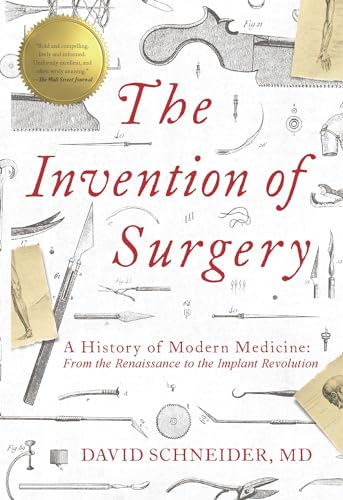
This book provides a fascinating look at the evolution of medical practice and the institutional settings that housed it, paralleling the medical-architectural history found in Yanni's work. It is an excellent choice for readers interested in the intersection of professional development and physical environment.

by Joseph Roach
This scholarly work explores how public spaces and performances shape cultural memory, offering a theoretical depth similar to Yanni's architectural critique. It will appeal to readers who enjoy examining how the built environment serves as a stage for historical and social narratives.

Love to read on the go?
Explore Kindle e-readers and take your books with you.
As an Amazon Associate, we earn from qualifying purchases.
As an Amazon Associate, we earn from qualifying purchases.