

Based on your book
The Art of Problem Solving
by Ackoff, Russell L.
Russell Ackoff does not offer a checklist for quick fixes. Instead, he dismantles the way we define problems, arguing that most failures in management and life stem from solving the wrong issue entirely. The book moves through a series of puzzles and scenarios that force you to stop looking for immediate answers and start examining the interconnected systems that create the friction in the first place. It is a dry, sharp, and deeply intellectual experience that feels less like a business manual and more like a rigorous workout for your logic. You will find yourself constantly pausing to rethink your own assumptions. This is essential reading for the reader who is tired of superficial self-help and wants to understand the philosophical architecture behind why things go wrong and how to fix them for good.
10 Books similar to 'The Art of Problem Solving'
Since you enjoyed the systemic rigor of Ackoff, these recommendations were curated to deepen your grasp of complex problem-solving. Whether you are looking for the cognitive psychology behind our decision-making biases or the practical application of systems theory in organizational design, this list bridges the gap between abstract philosophy and real-world results. We selected these titles because they share that same intellectual DNA, moving beyond simple tropes to explore how order emerges from disorder. If you want to continue challenging your own mental models, start with these explorations of complexity, creativity, and structural design.
As an Amazon Associate, we earn from qualifying purchases.
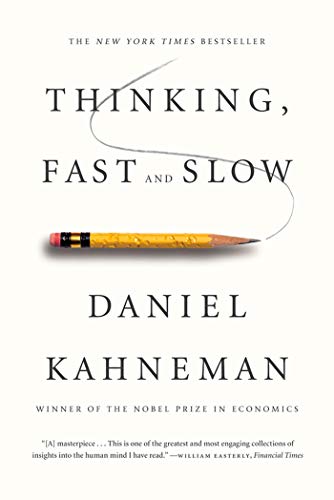
Like Ackoff's work, this book challenges the reader's fundamental assumptions about how they think and make decisions. It provides a rigorous, analytical framework for understanding the cognitive biases that often impede effective problem-solving.

This is a foundational text that expands on the methodology of systems thinking, much like Ackoff's approach to organizational management. It is essential for readers who want to move beyond simple solutions to understand complex, interconnected environments.

Senge shares Ackoff's passion for organizational systems and the necessity of holistic thinking. It offers a practical guide to building organizations that can adapt and innovate, mirroring Ackoff's focus on creative problem-solving in management.

De Bono's work is the natural companion to Ackoff's, focusing on the 'how' of generating creative solutions rather than just the 'why.' It provides concrete techniques for breaking out of established patterns, which is central to Ackoff's philosophy.

Not sure what they've already read?
Let them pick their next favorite with an Amazon Gift Card.
As an Amazon Associate, we earn from qualifying purchases.

While more abstract, this book explores the systems and patterns that underlie intelligence and creativity. Readers who appreciate Ackoff's systemic view of the world will find this exploration of self-reference and structure deeply satisfying.

by Don Norman
Norman applies systems thinking to the physical world, explaining how poor design leads to human error. It echoes Ackoff's belief that problems are often systemic failures rather than individual ones, making it a perfect practical application of those principles.

Taleb's work challenges the status quo of risk management and systems design, much like Ackoff challenged traditional management science. It is a bold, contrarian look at how systems should be built to thrive in uncertain environments.
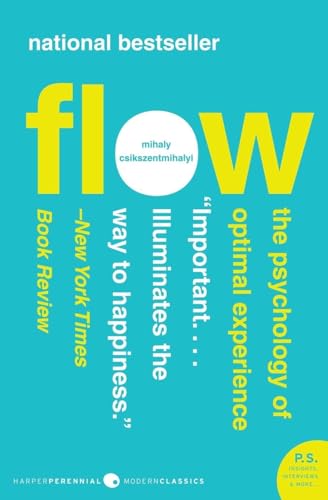
This book examines the mental state required for high-level problem solving and creativity. It provides the psychological context for the 'creative' part of Ackoff's 'creative problem solving,' helping readers understand how to unlock their own cognitive potential.

Written as a business novel, this book illustrates the Theory of Constraints, which aligns perfectly with Ackoff's systemic approach to organizational bottlenecks. It turns abstract systems theory into a compelling, narrative-driven lesson.

Mitchell provides an accessible yet rigorous look at the science of complexity, which is the scientific bedrock of the systems thinking Ackoff championed. It is perfect for readers who want to understand the 'why' behind the interconnected systems they study.

Prefer to listen?
Try Audible and hear the story instead of reading it.
As an Amazon Associate, we earn from qualifying purchases.
As an Amazon Associate, we earn from qualifying purchases.