

Based on your book
The Beginning Comes After the End
by Solnit, Rebecca
Solnit turns her gaze toward the messy, often painful process of starting over. Rather than viewing endings as finality, she frames them as necessary ruptures that clear the ground for something new to emerge. The writing is less a roadmap and more of a companion for those moments when life feels like it has stalled or shattered. You will find the pacing deliberate and quiet, designed to slow your thoughts rather than accelerate them. Solnit balances sharp cultural critique with a tender, almost fragile optimism that feels earned rather than forced. This is a book for the reader who is currently navigating a major life transition, or anyone who feels overwhelmed by the noise of modern existence and needs a philosophical anchor to help them find their footing in the aftermath of change.
10 Books similar to 'The Beginning Comes After the End'
Since you appreciate the way Solnit weaves personal introspection with broader societal shifts, these titles were curated to deepen that specific brand of intellectual hope. Whether you are exploring the natural world with Robin Wall Kimmerer or dissecting the mechanics of grief with Joan Didion, each selection shares a commitment to examining how we survive and evolve after the world shifts beneath our feet. These books are for readers who want to engage with the world more intentionally, moving past simple answers to find clarity in the complexities of growth and adversity.
As an Amazon Associate, we earn from qualifying purchases.

As a companion piece to her other works, this book deepens the exploration of activism and optimism in uncertain times. Readers who appreciate Solnit's ability to find meaning in chaos will find this essential reading for maintaining perspective.

Like Solnit, Kimmerer blends scientific observation with lyrical, deeply personal prose to connect the reader to the natural world. It shares the same contemplative and observational tone that makes Solnit’s writing so resonant.

by Joan Didion
This memoir captures the raw, intellectual processing of grief, mirroring the analytical yet deeply emotional approach Solnit takes toward life's transitions. Both authors excel at dissecting the human experience with precise, beautiful language.

This collection of essays is perhaps the closest in spirit to the themes of uncertainty and discovery found in Solnit's other works. It invites the reader to embrace the unknown, much like the transformative endings she frequently discusses.

Prefer to listen?
Try Audible and hear the story instead of reading it.
As an Amazon Associate, we earn from qualifying purchases.

For readers who appreciate the political awareness and historical context in Solnit's writing, Snyder offers a concise, urgent guide to civic engagement. It shares the same imperative to act and understand the world that drives Solnit's essays.
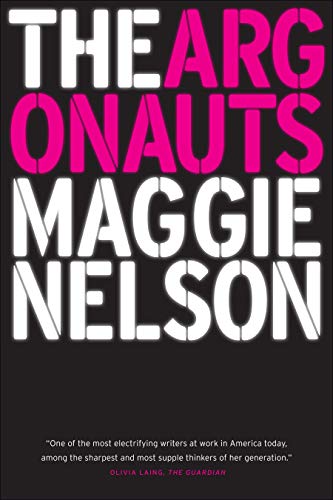
Nelson’s genre-defying work shares Solnit’s commitment to challenging societal norms and exploring the complexities of identity and love. It is a brilliant, intellectual, and deeply personal exploration of how we define our lives.

This seminal collection of essays is foundational for understanding the feminist critique Solnit brings to her work. Readers who enjoy her sharp, observational style will find this an indispensable look at power dynamics.

Dillard’s classic nature writing shares the same philosophical depth and meticulous observation found in Solnit's work. It is a profound meditation on the beauty and terror of the natural world that will appeal to any fan of literary non-fiction.

Rankine uses a blend of poetry, essay, and visual art to examine racial injustice, mirroring the experimental, multi-layered approach Solnit uses to dissect culture. It is a powerful, necessary work for those who value socially conscious literature.

For readers who enjoy the historical and cultural scope of Solnit's writing, Diamond provides a fascinating look at what we can learn from traditional societies. It shares a similar intellectual curiosity about the human condition.

Love to read on the go?
Explore Kindle e-readers and take your books with you.
As an Amazon Associate, we earn from qualifying purchases.
As an Amazon Associate, we earn from qualifying purchases.