

Based on your book
The Beginnings of Western Science
by Lindberg, David C.
David C. Lindberg traces the trajectory of scientific inquiry from its earliest roots in ancient Mesopotamia and Egypt through the end of the Middle Ages. Rather than viewing science as a linear march of progress, he examines how cultural, religious, and philosophical frameworks dictated what was considered knowledge at any given time. The reading experience is dense and academic but remarkably steady, favoring clear analysis over dramatic flair. You will feel as though you are sitting in a graduate seminar, dissecting the power dynamics between emerging natural philosophy and established institutional authorities. This is an essential text for the curious reader who wants to understand why we think the way we do today. It is best suited for those who prefer historical substance over anecdote and enjoy untangling the complex, messy origins of modern intellectual life.
10 Books similar to 'The Beginnings of Western Science'
If this deep dive into the evolution of human thought resonated with you, these selections expand on the themes of institutional power and the shifting definitions of truth. We chose these titles because they bridge the gap between abstract philosophy and the material history of scientific discovery. Whether you are interested in the comparative study of global traditions found in Huff and Nasr, or the social construction of facts explored by Shapin and Schaffer, these books maintain the same rigorous intellectual curiosity that makes Lindberg’s work so enduring for serious students of history.
As an Amazon Associate, we earn from qualifying purchases.

Like Lindberg's work, this book offers a rigorous, scholarly examination of how the concept of science itself was constructed over time. It provides a similarly deep, intellectual dive into the transformation of human thought during the Scientific Revolution.

This text serves as a perfect companion to Lindberg by exploring the vital, often overlooked contributions of Islamic scholars to the history of science. It maintains a scholarly, contemplative tone that respects the complexity of historical intellectual traditions.

This book captures the same narrative spirit as Lindberg's work but focuses specifically on the pivotal moment when the modern scientific method crystallized. It is highly readable, informative, and focuses on the intersection of personalities and ideas.
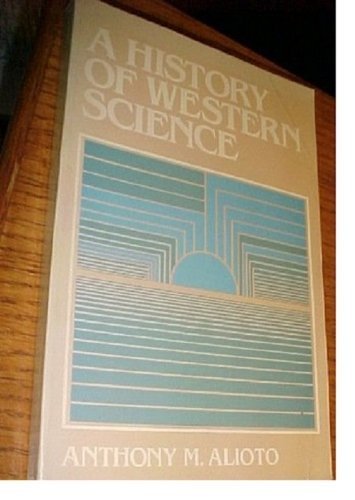
Alioto provides a comprehensive survey that mirrors the scope and ambition of Lindberg’s text, tracing the evolution of scientific thought from antiquity to the present. It is an essential read for anyone seeking a structured, academic overview of scientific history.

Not sure what they've already read?
Let them pick their next favorite with an Amazon Gift Card.
As an Amazon Associate, we earn from qualifying purchases.

While more narrative-driven than Lindberg, this book brilliantly illustrates the intellectual history of the Renaissance and the rediscovery of ancient texts. It shares a deep fascination with how ancient ideas shaped the trajectory of Western science and philosophy.

Since Lindberg is the author of the original request, this specialized volume is a natural progression for readers who appreciated his specific focus on medieval scientific development. It offers the same meticulous research and clear, authoritative voice.
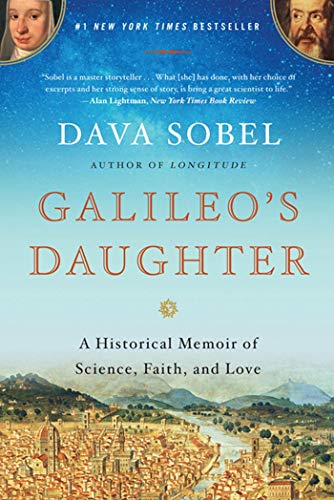
by Dava Sobel
This book provides a humanizing, intimate look at one of the most important figures in the history of science discussed in Lindberg's work. It bridges the gap between the history of ideas and the personal lives of those who formulated them.

This is the seminal text that fundamentally changed how historians and philosophers view the progress of science, a concept that underpins the narrative in Lindberg's work. It is a challenging, essential read for understanding the 'how' and 'why' of scientific shifts.

by Steven Shapin and Simon Schaffer
This classic of science studies offers a deep, analytical look at the early days of the Royal Society and the social construction of scientific facts. It appeals to the same intellectual curiosity regarding how science is established as a credible authority.

by Toby E. Huff
Readers who enjoyed Lindberg's comparative approach to the history of science will appreciate Huff's investigation into why modern science emerged in Europe rather than in the Islamic world or China. It is a rigorous, comparative, and highly informative study.

Prefer to listen?
Try Audible and hear the story instead of reading it.
As an Amazon Associate, we earn from qualifying purchases.
As an Amazon Associate, we earn from qualifying purchases.