
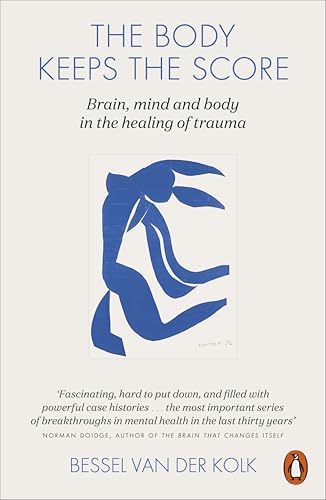
Based on your book
The Body Keeps the Score
by Bessel van der Kolk
The Body Keeps the Score isn't just another book about trauma; it's a profound exploration of how our deepest wounds don't just reside in our minds, but are physically imprinted on our brains and bodies. Bessel van der Kolk, a pioneer in the field, draws on decades of research and clinical experience to show us precisely what happens when we endure overwhelming stress, and how traditional approaches often miss the mark. Reading this feels like an intense, often sobering journey into the science of resilience, peppered with powerful, human stories that stick with you. It's a challenging read, demanding your full attention, but it's also incredibly thought-provoking and ultimately empowering, offering new perspectives on healing. This book is for anyone curious about the intricate connection between our lived experiences and our physical selves, or for those seeking a deeper understanding of personal growth and overcoming adversity.
10 Books similar to 'The Body Keeps the Score'
If Bessel van der Kolk's insights into how trauma reshapes our biology resonated deeply with you, then our curated selections are designed to continue that journey. Each of these books expands on the crucial mind-body connection in healing, exploring how our experiences are stored not just in memory, but in our very cells. You'll find further explorations into somatic therapies, the impact of adverse childhood experiences, and the powerful shift from asking 'what's wrong with you?' to 'what happened to you?' These reads offer additional pathways to understanding resilience, personal growth, and the complex journey of overcoming adversity.
As an Amazon Associate, we earn from qualifying purchases.

by Bruce D. Perry and Oprah Winfrey
This book provides a deeply accessible look at how childhood trauma shapes brain development and behavior. Like Van der Kolk, Dr. Perry uses clinical expertise to shift the perspective from 'what is wrong with you' to 'what happened to you.'

by Gabor Maté
Dr. Maté explores the profound link between mind-body health, specifically how chronic stress and suppressed emotions manifest as physical illness. It serves as a perfect companion to Van der Kolk's work on how the body stores psychological experiences.

by Pete Walker
This is a practical guide for those dealing with childhood trauma, focusing on the 'emotional flashbacks' mentioned in Van der Kolk's work. It offers a more hands-on, self-help approach to the same neurological and psychological concepts.

Through a series of clinical case studies, Dr. Perry illustrates how trauma affects the developing brain of a child. It mirrors the narrative style of Van der Kolk by blending heartbreaking human stories with rigorous neurobiological science.

Prefer to listen?
Try Audible and hear the story instead of reading it.
As an Amazon Associate, we earn from qualifying purchases.

Menakem expands on the concept of somatic healing by examining how intergenerational and racialized trauma is stored in the body. It is a vital read for those interested in the social and communal applications of Van der Kolk's theories.

Levine introduces the concept of Somatic Experiencing, focusing on the physical 'thawing' of the nervous system after trauma. Readers who appreciated Van der Kolk's focus on body-oriented therapies like yoga and EMDR will find this foundational.

by Mark Wolynn
This book delves into the epigenetic and psychological evidence of inherited trauma. It complements Van der Kolk's work by looking backward through family lineages to explain present-day physical and emotional symptoms.

Dr. Burke Harris explains the science of Adverse Childhood Experiences (ACEs) and their lifelong impact on physical health. Like Van der Kolk, she bridges the gap between social experience and biological reality.

While more narrative and humorous than Van der Kolk's text, this memoir provides a 'behind the scenes' look at the therapeutic process. It humanizes the struggle for mental health and the slow, often messy path toward healing trauma.
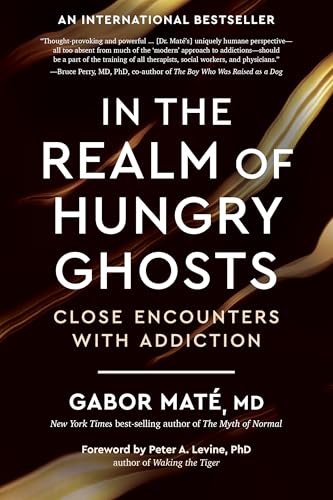
by Gabor Maté
Maté looks at addiction not as a choice, but as a response to trauma and a lack of proper brain development. It echoes Van der Kolk's compassionate, science-based approach to understanding 'maladaptive' coping mechanisms.

Love to read on the go?
Explore Kindle e-readers and take your books with you.
As an Amazon Associate, we earn from qualifying purchases.
As an Amazon Associate, we earn from qualifying purchases.