

Based on your book
The Book
by Keith Houston
The Book by Keith Houston isn't just a history of reading; it's a meticulously crafted journey through the very physical object we hold in our hands. Houston takes you behind the scenes, from the papyrus reeds and parchment hides to the inkwells and printing presses, unearthing the surprising stories and forgotten innovations that shaped written communication. This isn't a dry academic text; it's an intellectual adventure that makes you see every page, every letter, every binding with fresh eyes. You'll find yourself marveling at the ingenuity and sheer effort involved in creating and preserving knowledge across millennia. It's a book for anyone who loves understanding the 'how' and 'why' behind our world, for those who appreciate a deep dive into cultural history, and for readers who delight in the hidden power dynamics embedded in everyday objects. You'll finish it with a profound new appreciation for the humble book.
10 Books similar to 'The Book'
If you found yourself captivated by The Book's meticulous dissection of how a seemingly simple object became such a powerful force, you'll find kindred spirits in these recommendations. We’ve gathered titles that share that same sense of historical deep dive and cultural analysis, whether they’re exploring the story of a single material like paper or salt, or tracing the monumental efforts behind intellectual achievements like dictionaries and maps. Each one offers a fascinating behind-the-scenes look at the ingenuity and human stories that shaped our understanding of the world, making the familiar feel utterly new again.
As an Amazon Associate, we earn from qualifying purchases.

Like "The Book," this delves into the fascinating history and cultural impact of a specific aspect of written communication – typography. Readers will appreciate the meticulous research, engaging anecdotes, and the way it illuminates the often-overlooked details that shape our reading experience.

This book offers a compelling narrative about the monumental undertaking of creating the Oxford English Dictionary, blending historical detail with a captivating human story. Fans of "The Book" will enjoy the deep dive into the history of language, scholarship, and the meticulous craft involved in compiling such a vast work.

Kurlansky masterfully traces the global history and cultural significance of a single, seemingly mundane commodity: salt. Readers who enjoyed "The Book"'s exploration of how an everyday object shaped civilization will find a similar blend of meticulous research, engaging storytelling, and broad historical scope in this work.
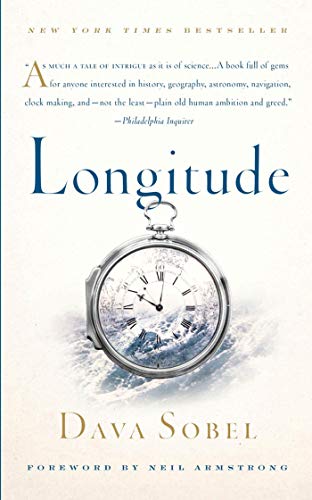
by Dava Sobel
This concise yet powerful narrative recounts the centuries-long quest to solve the problem of determining longitude at sea, focusing on John Harrison's ingenious clock. Fans of "The Book" will appreciate the detailed history of a specific invention, the human ingenuity involved, and the impact of a technological breakthrough on global exploration and communication.

Prefer to listen?
Try Audible and hear the story instead of reading it.
As an Amazon Associate, we earn from qualifying purchases.

by Susan Orlean
Orlean explores the history, cultural importance, and enduring magic of libraries, centered around a devastating fire at the Los Angeles Public Library. Readers who enjoyed "The Book"'s celebration of knowledge preservation and dissemination will find a similarly rich, reflective, and deeply researched narrative about the institutions that house our collective stories.

Greenblatt tells the captivating story of a 15th-century book hunter's discovery of an ancient Roman manuscript, Lucretius's "On the Nature of Things," and its profound impact on the Renaissance. This book shares "The Book"'s fascination with the physical artifact of the book, the transmission of ideas, and how forgotten texts can reshape civilization.

Following in the footsteps of his acclaimed "Salt," Kurlansky meticulously chronicles the global history of paper, from its invention to its modern uses. Readers who appreciated "The Book"'s deep dive into the materials and processes behind written communication will find this an equally engaging and informative exploration of paper's pivotal role in human history.

Based on the acclaimed BBC radio series, this book presents a global history told through 100 artifacts from the British Museum's collection. Like "The Book," it demonstrates how seemingly ordinary objects can unlock vast historical narratives, offering an intellectually stimulating and accessible journey through human civilization.

Winchester recounts the extraordinary story of William Smith, who created the first geological map of England, and the challenges he faced. This book shares "The Book"'s appreciation for the detailed, often painstaking work behind groundbreaking intellectual achievements and the profound impact of visual information and scientific discovery.
Flanders provides a comprehensive and engaging history of the book itself, tracing its evolution from ancient scrolls to modern printed volumes. This book is a perfect companion to "The Book" by Keith Houston, offering a broader yet equally detailed perspective on the physical object that has shaped human knowledge and culture.

Love to read on the go?
Explore Kindle e-readers and take your books with you.
As an Amazon Associate, we earn from qualifying purchases.
As an Amazon Associate, we earn from qualifying purchases.