

Based on your book
The Book of Night Women
by Marlon James
Lilith is born into the nightmare of an 18th-century Jamaican sugar plantation, marked by her green eyes and the death of her mother during childbirth. Marlon James does not ask you to observe this history from a distance; he drags you into the thick of it. The prose is written in a rhythmic, localized dialect that feels immediate and skin-pricklingly real. This is a story about the mechanics of rebellion and the suffocating weight of power, centered on a group of women plotting a violent uprising against their masters. It is not an easy read. The violence is visceral, the betrayals are sharp, and the moral landscape is as muddy as the fields they work. Pick this up if you want a book that demands your full emotional surrender and challenges your understanding of survival and agency.
10 Books similar to 'The Book of Night Women'
If the intensity of Lilith's struggle left you reeling, these books continue the conversation about the enduring, jagged edges of historical trauma. We selected these titles because they refuse to treat the past as a static museum piece, choosing instead to focus on the grit of human resilience and the complex, often fractured power dynamics within marginalized communities. Whether through the lens of Southern Gothic, epic generational sagas, or psychological hauntings, these stories echo James's commitment to exploring how history lives in the marrow of those who survived it.
As an Amazon Associate, we earn from qualifying purchases.

by Yaa Gyasi
Like Marlon James's work, this novel offers a sweeping, visceral look at the legacy of slavery and colonialism, tracing the generational trauma through a powerful, multi-perspective narrative. It shares the same unflinching commitment to historical truth and the profound emotional weight of the African diaspora experience.

This masterpiece is an essential companion to James's work, dealing with the haunting, psychological, and physical brutality of slavery with lyrical intensity. Readers who appreciated the raw, unflinching exploration of trauma and the resilience of the human spirit in Night Women will find Morrison's prose equally devastating and transformative.

Butler’s seminal work uses a time-travel premise to place a modern protagonist directly into the horrors of the antebellum South, mirroring the intense, claustrophobic reality of plantation life depicted in James's novel. It excels at examining the brutal power dynamics and the constant, terrifying necessity of survival.

Whitehead blends historical reality with a surreal, allegorical journey, much like James uses a distinct, dialect-heavy voice to ground his historical narrative. Both books demand that the reader confront the horrific realities of American slavery through a lens that is both deeply personal and epic in scope.

Love to read on the go?
Explore Kindle e-readers and take your books with you.
As an Amazon Associate, we earn from qualifying purchases.

by Esi Edugyan
Set against the backdrop of 19th-century plantation life, this novel follows a young boy's escape and subsequent journey across the world, offering a similar focus on the quest for freedom and self-determination. It shares the historical depth and the harrowing, yet beautifully rendered, exploration of what it means to be owned by another.

This novel explores the fluid, often chaotic nature of servitude and belonging in the early American colonies, echoing the complex, shifting alliances found in The Book of Night Women. Morrison’s ability to capture the interiority of marginalized women in a harsh, unforgiving landscape will resonate deeply with fans of James's protagonist, Lilith.
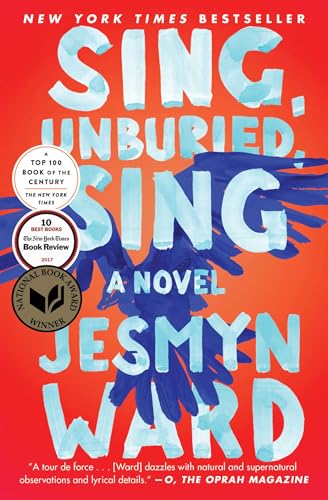
by Jesmyn Ward
Ward’s writing is as visceral and haunting as James's, utilizing a raw, Southern Gothic aesthetic to explore the intersections of history, poverty, and family trauma. It captures a similar sense of ghosts—both literal and metaphorical—that linger from a violent past, impacting the present generation.

For readers who appreciated the intricate social hierarchies and the moral complexities of plantation life in James's work, this novel provides a masterful, panoramic view of black slaveholders in Virginia. It is a deeply intellectual and challenging look at the corruption of power and the ways institutions warp human morality.

by Sara Collins
This gothic historical novel features a strong, complex female lead navigating a hostile environment, much like Lilith in Night Women. It deals with race, class, and forbidden desire in the 19th century, offering a similarly tense and atmospheric narrative that keeps the reader questioning the protagonist's reliability and fate.

While set in a different time and place, this novel mirrors the epic ambition and the focus on how political upheaval and war reshape individual lives and relationships. Adichie’s characters, like James's, are caught in the gears of history, forcing them to make impossible choices to survive and maintain their humanity.

Not sure what they've already read?
Let them pick their next favorite with an Amazon Gift Card.
As an Amazon Associate, we earn from qualifying purchases.
As an Amazon Associate, we earn from qualifying purchases.