
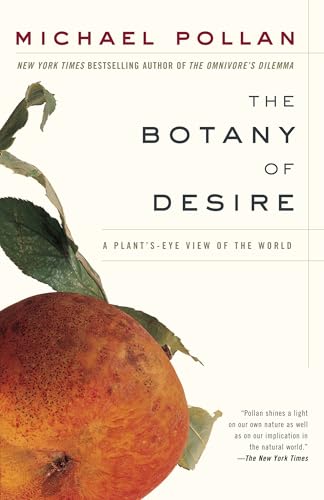
Based on your book
The Botany of Desire
by Pollan, Michael
Pollan flips the script on our relationship with plants by suggesting that humans are not the masters of the garden, but rather the unwitting agents of botanical ambition. By examining four common species—the apple, the tulip, marijuana, and the potato—he argues that these plants have successfully exploited human desires for sweetness, beauty, intoxication, and control to ensure their own global proliferation. The reading experience is cerebral and patient, unfolding like a long, inquisitive conversation with a friend who has spent years thinking deeply about the dirt beneath your fingernails. It is less a scientific textbook and more a philosophical investigation into how our species has been shaped by the very things we think we cultivate. This is perfect for the reader who enjoys untangling the hidden threads between biology and culture, and who appreciates non-fiction that challenges their sense of agency in the natural world.
10 Books similar to 'The Botany of Desire'
Since you enjoyed the way Pollan turns a simple plant into a complex lens for viewing human history, these recommendations focus on works that treat the natural world as a co-conspirator rather than a backdrop. Whether it is the fungal networks in Entangled Life or the social structures in The Hidden Life of Trees, these books share that same analytical curiosity. They move beyond basic nature writing to explore the deep, often invisible power dynamics between us and the environment, making them essential follow-ups for any reader fascinated by the intersection of science and sociology.
As an Amazon Associate, we earn from qualifying purchases.

Like Pollan, Kimmerer bridges the gap between objective science and subjective human experience, offering a profound meditation on our reciprocal relationship with the natural world. Her lyrical prose and deep botanical knowledge create an immersive, contemplative reading experience that redefines how we view plants.

This book shares Pollan's talent for revealing the secret, complex lives of organisms we often overlook. It provides a fascinating, scientific, yet accessible look at how trees communicate and support one another, changing your perspective on the forest forever.

Kurlansky employs a similar narrative strategy to Pollan, using a single subject—the codfish—as a lens to explore human history, economics, and cultural development. It is an engrossing deep dive that connects the biological to the sociological with wit and precision.

by Andrea Wulf
This biography of Alexander von Humboldt captures the same spirit of curiosity about the natural world that defines Pollan's work. It explores how one man's vision of nature as an interconnected web of life shaped our modern environmental consciousness.

Love to read on the go?
Explore Kindle e-readers and take your books with you.
As an Amazon Associate, we earn from qualifying purchases.

For those who loved the voice in 'The Botany of Desire,' this earlier work is essential reading. It explores the philosophical and practical challenges of gardening, blending personal memoir with insightful commentary on our complex relationship with the landscape.

Sheldrake's exploration of the fungal kingdom mirrors Pollan's ability to make the invisible visible. It is a mind-bending, highly readable journey into an organism that fundamentally shapes our world, blending rigorous science with philosophical wonder.
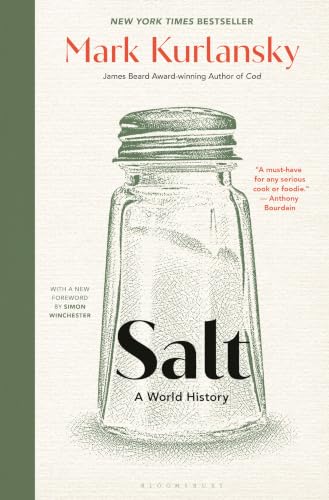
Much like 'The Botany of Desire,' this book elevates a mundane, everyday item into a fascinating protagonist of human history. It offers the same satisfying blend of historical research and cultural insight that makes non-fiction feel like a compelling narrative.

While this is a work of fiction, it captures the same obsession with botany and the scientific spirit of the 19th century that Pollan frequently touches upon. The protagonist's lifelong study of mosses serves as a beautiful, sprawling meditation on desire, discovery, and the natural world.

Kingsolver's account of her family's year spent eating only locally grown food shares Pollan's interest in the ethics and origins of what we consume. It is a warm, informative, and deeply personal look at the intersection of agriculture, family, and the environment.

by Susan Orlean
Orlean investigates the obsessive world of orchid collecting with the same observational rigor and narrative flair that Pollan brings to his subjects. It explores how humans project their own desires onto nature, leading to legal, moral, and personal complications.

Not sure what they've already read?
Let them pick their next favorite with an Amazon Gift Card.
As an Amazon Associate, we earn from qualifying purchases.
As an Amazon Associate, we earn from qualifying purchases.