

Based on your book
The Canterbury Tales
by Geoffrey Chaucer
The Canterbury Tales drops you right into medieval England, traveling with a diverse crew of pilgrims on their way to Canterbury. Each character, from the noble knight to the bawdy miller to the pious prioress, takes a turn spinning a yarn, and it’s in these individual tales that Chaucer truly shines. The reading experience is like eavesdropping on a lively, often hilarious, and sometimes surprisingly risqué conversation, offering a vibrant snapshot of human nature and societal quirks. You'll find yourself laughing at the follies, admiring the sharp wit, and pondering the timeless questions of morality, class, and human desire. If you enjoy ensemble casts, journey narratives, and incisive, often funny, social commentary that still feels remarkably relevant, you'll find a lively and thought-provoking companion in this classic collection.
10 Books similar to 'The Canterbury Tales'
For those who appreciated the clever frame narrative and rich tapestry of human experience woven into The Canterbury Tales, our recommendations offer similar delights. Many of these books, like The Decameron and One Thousand and One Nights, also use the brilliant device of stories within stories, offering diverse perspectives and a deep dive into human nature. Others, such as Don Quixote and Piers Plowman, share Chaucer's sharp satirical eye for social commentary and moral dilemmas, presenting a fascinating mirror to his world and ours through distinct voices and episodic journeys.
As an Amazon Associate, we earn from qualifying purchases.

Like "The Canterbury Tales," "The Decameron" employs a brilliant frame narrative where a group of individuals escaping a crisis (the Black Death) tell a hundred diverse stories. Readers will find similar themes of human nature, morality, and social satire, often delivered with a comparable witty and sometimes bawdy humor.
by Anonymous (various translators)
This iconic collection shares "The Canterbury Tales'" fundamental structure of stories within stories, where a central figure (Scheherazade) weaves tales to survive. It offers a vast tapestry of human experience, adventure, and morality, showcasing diverse narrative voices and a rich cultural backdrop.

Cervantes' masterpiece, while a single novel, is highly episodic, following Don Quixote's journey and his encounters with a multitude of characters. It shares Chaucer's keen eye for human folly, social satire, and a blend of humor and profound philosophical reflection on reality and idealism.

A contemporary of Chaucer, William Langland's allegorical poem offers a powerful, often biting, social and religious critique of medieval England. Fans of Chaucer's satirical insights into society and morality will appreciate Langland's deep dive into similar themes, albeit with a more overtly moralistic and less lighthearted tone.

Prefer to listen?
Try Audible and hear the story instead of reading it.
As an Amazon Associate, we earn from qualifying purchases.
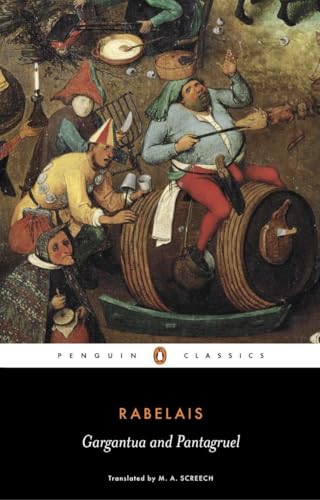
Rabelais's epic saga is a riotous, often grotesque, and highly satirical exploration of human nature, education, and society. Readers who enjoy the bawdy humor, sharp wit, and uninhibited social commentary found in some of Chaucer's tales will find a kindred spirit in Rabelais's exuberant prose.

by Homer
Homer's ancient epic, like "The Canterbury Tales," is a journey narrative, albeit a much grander one, filled with episodic encounters and diverse characters. It explores universal themes of human resilience, fate, and the complexities of human nature, offering a foundational literary experience with a similar sense of grand scope.

Malory's compilation of Arthurian legends presents a vast, interconnected tapestry of tales about knights, quests, and the rise and fall of a kingdom. It shares Chaucer's medieval setting and explores themes of chivalry, morality, and human failings through an ensemble cast of characters, offering a similar grand narrative scope.

by James Joyce
Joyce's collection of short stories, while set in early 20th-century Dublin, mirrors Chaucer's ability to capture a society through a mosaic of individual lives and stories. Each tale offers a distinct voice and perspective, providing sharp social commentary and a deep, often melancholic, insight into human nature and the societal constraints of the time.

by Sei Shōnagon
This unique collection of observations, anecdotes, and reflections from a 10th-century Japanese court lady offers a fascinating "slice of life" perspective, much like Chaucer's pilgrims provide glimpses into their world. Its witty, insightful, and often charming voice provides a rich cultural analysis and social commentary from a distinct historical vantage point.
by Anonymous (Lady Charlotte Guest, translator)
This collection of medieval Welsh tales provides a rich tapestry of myth, magic, and human drama, similar to the diverse narratives found in "The Canterbury Tales." Readers will appreciate the historical setting, the episodic nature of the stories, and the exploration of themes like loyalty, love, and destiny within a vibrant, ancient world.

Love to read on the go?
Explore Kindle e-readers and take your books with you.
As an Amazon Associate, we earn from qualifying purchases.
As an Amazon Associate, we earn from qualifying purchases.