
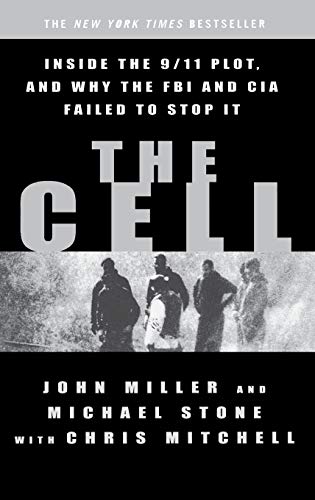
Based on your book
The Cell
by Miller, John C.
John C. Miller’s The Cell is a claustrophobic descent into the mechanics of survival when the world stops making sense. At its core, it is a high-stakes race against time where the protagonist is forced to navigate a collapsing reality defined by isolation and a deepening web of conspiracy. Miller excels at tightening the screws; the pacing is relentless, often making you feel as trapped as the characters themselves. It is not just about the external threat, but the internal moral erosion that occurs when you are pushed to the absolute edge. If you enjoy stories that prioritize psychological tension over mindless action and want a book that leaves you questioning how thin the veneer of our own society truly is, this will keep you awake long after you turn the final page.
10 Books similar to 'The Cell'
The books we have selected mirror the unsettling atmosphere of The Cell by focusing on the fragility of human institutions and the psychological weight of isolation. We chose these titles because they excel at blending grounded, scientific dread with the visceral reality of societal breakdown. Whether you are looking for the clinical, analytical terror found in Michael Crichton or the haunting, character-driven studies of human nature in works by José Saramago and Emily St. John Mandel, these selections capture that same specific, suffocating sense of a world unspooling in real time.
As an Amazon Associate, we earn from qualifying purchases.

by Stephen King
While the authors differ, readers drawn to the visceral intensity and high-stakes survival narrative of Miller's work will find a similar adrenaline-fueled experience here. Both books explore the rapid breakdown of society and the psychological toll of sudden, catastrophic events.

Like Miller's work, this classic techno-thriller focuses on the terrifying intersection of biological science and human error. It offers a similarly analytical and suspenseful look at how a microscopic threat can dismantle civilization.

This novel delves into the collapse of social order during a sudden, mysterious epidemic, mirroring the societal disintegration found in Miller's writing. It is a deeply psychological and philosophical examination of human nature under extreme duress.

Fans who appreciate the way Miller handles the aftermath of a global crisis will resonate with this beautifully written exploration of humanity's endurance. It shifts focus from the immediate chaos to the lingering, reflective impact on culture and memory.

Prefer to listen?
Try Audible and hear the story instead of reading it.
As an Amazon Associate, we earn from qualifying purchases.

Though non-fiction, this account of the emergence of deadly viruses reads with the pacing and terror of a thriller. It shares the same grounded, scientific dread that makes Miller's exploration of biological threats so compelling.


by Max Brooks
This oral history of a global collapse utilizes a wide cast of perspectives to examine the geopolitical and human consequences of a catastrophe. Readers who enjoy the 'big picture' scope of Miller's writing will appreciate this structured, realistic approach to the end of the world.

This novel relies heavily on sensory deprivation and psychological tension, creating an atmosphere of constant, suffocating dread. It mirrors the claustrophobic survival elements that make Miller's work so gripping.
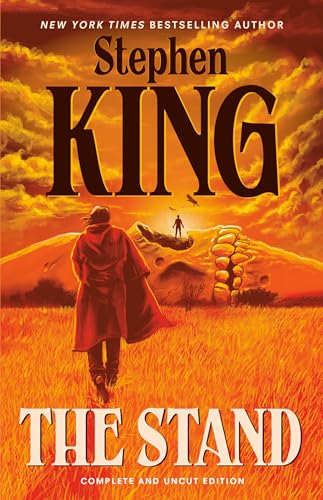
by Stephen King
This epic tale of a world decimated by a man-made virus offers the ultimate deep dive into societal breakdown and the reconstruction of human morality. It shares the sprawling, high-stakes narrative ambition that fans of Miller's work often seek.

A foundational work in post-apocalyptic literature, this book focuses on the slow, methodical decline of civilization and the struggle of the survivors. Its reflective and observational tone will appeal to those who enjoy Miller's analytical style.
Love to read on the go?
Explore Kindle e-readers and take your books with you.
As an Amazon Associate, we earn from qualifying purchases.
As an Amazon Associate, we earn from qualifying purchases.