
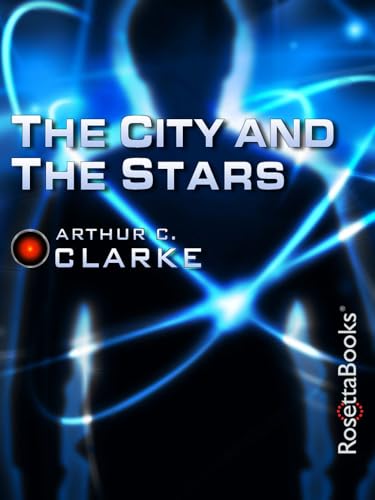
Based on your book
The City and the Stars
by Arthur C. Clarke
Alvin is a unique citizen of Diaspar, a city so technologically perfect that its inhabitants have forgotten the meaning of change. While everyone else is content to live in an endless loop of existence, Alvin feels the suffocating weight of a world without a horizon. His curiosity leads him to break the city's long-standing taboos, pushing him toward the unknown exterior that everyone else fears. The story is less about a typical hero's journey and more about the quiet, creeping realization that humanity has traded its growth for comfort. It is a contemplative, slow-burning read that prioritizes cosmic scale over character drama. If you enjoy fiction that treats the universe as a vast puzzle and aren't afraid of a story that prioritizes big ideas and existential loneliness over fast-paced action, this will stay with you long after the final page.
10 Books similar to 'The City and the Stars'
If the scale of Diaspar left you craving more, these selections expand on the themes of deep time, the evolution of consciousness, and the cold reality of our place in the universe. We have curated these titles because they share that specific, cerebral DNA where hard science fiction meets philosophical inquiry. Whether it is through the lens of simulated realities or the sheer, terrifying mystery of alien artifacts, these books challenge the boundaries of human potential. They are for readers who prefer their science fiction to be as intellectually demanding as it is imaginative.
As an Amazon Associate, we earn from qualifying purchases.

by Greg Egan
Like Clarke's masterpiece, this novel explores the far-future evolution of humanity and the nature of consciousness within vast, simulated environments. It shares a deep commitment to hard science fiction concepts and the philosophical implications of transcending biological limitations.

by Larry Niven
This classic captures the same sense of cosmic wonder and scale found in Clarke's work, centering on an expedition to a massive, alien-constructed artifact. It features the same blend of hard science and exploration of alien civilizations that defines the genre.

This novel echoes Clarke's fascination with the ultimate fate of the universe and humanity's place within it. It focuses on a crew traveling at relativistic speeds, offering a similarly awe-inspiring look at deep time and cosmic endurance.
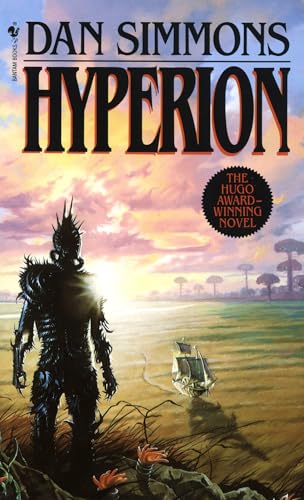
by Dan Simmons
While more narrative-driven, Hyperion shares the grand, far-future scope and the sense of mystery surrounding humanity's technological legacy. Readers who enjoyed the 'city of the future' aspect of Clarke's work will appreciate the intricate world-building and philosophical depth here.

Love to read on the go?
Explore Kindle e-readers and take your books with you.
As an Amazon Associate, we earn from qualifying purchases.

This novel matches Clarke's intellectual rigor and focus on the sociological implications of alien environments. It is a deeply thoughtful examination of humanity, identity, and isolation that appeals to the same cerebral audience.

by Isaac Asimov
As a contemporary of Clarke, Asimov shares the same 'Golden Age' sensibilities regarding the sweep of history and the future of galactic civilization. The focus on big ideas and the macro-scale of human progress makes it a perfect companion to Clarke's vision.
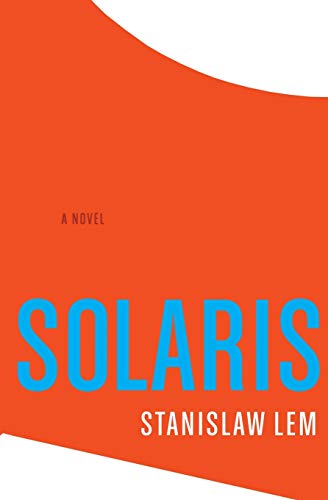
Fans of Clarke's exploration of the truly alien will appreciate Lem's masterpiece, which deals with the inherent difficulty of communication between humanity and a non-human intelligence. It shares a clinical, analytical tone that masks deep emotional and philosophical questions.

by Greg Egan
This book dives even deeper into the concept of virtual existence and uploaded consciousness that Clarke introduced in Diaspar. It is a challenging, highly technical, and rewarding read that pushes the boundaries of what it means to be human.

by Vernor Vinge
This novel expands the scale of the universe to a galactic level, much like Clarke, but adds a layer of high-stakes adventure and diverse alien species. It captures the same feeling of a vast, ancient universe filled with forgotten technology.

While more kinetic and visceral than Clarke's work, this novel shares the theme of humanity's evolution and the technological mastery of space. It offers a more rebellious, character-driven perspective on the same far-future setting.

Not sure what they've already read?
Let them pick their next favorite with an Amazon Gift Card.
As an Amazon Associate, we earn from qualifying purchases.
As an Amazon Associate, we earn from qualifying purchases.