
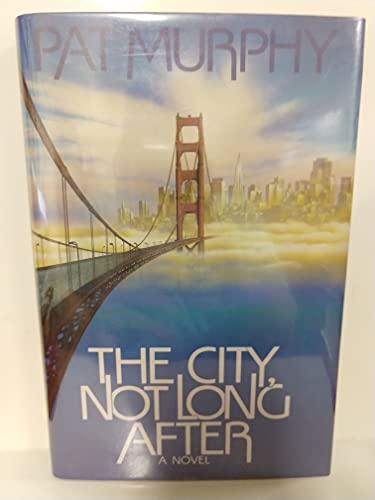
Based on your book
The city, not long after
by Pat Murphy
Imagine a San Francisco reborn after a plague, where artists and dreamers have meticulously crafted a society around creativity, peace, and shared purpose. That's the striking canvas Pat Murphy paints in "The city, not long after." This isn't a grim, survival-at-all-costs dystopia; it's a lyrical exploration of what humanity might build when given a second chance, infused with a quiet, almost magical resilience. But this fragile utopia faces a stark threat from an encroaching military force, forcing the city's inhabitants to find their strength not in weapons, but in their collective spirit and artistic vision. The reading experience here is wonderfully unique: it's thought-provoking and tense, yet imbued with a persistent sense of hope and a touch of the fantastical. If you're drawn to stories that ponder the deeper meaning of community, art, and resistance in a world remade, and appreciate a beautifully written, reflective narrative, this book will resonate deeply.
10 Books similar to 'The city, not long after'
If Pat Murphy's vision of a post-apocalyptic San Francisco, where art and community become the ultimate defense, resonated with you, then you'll find kindred spirits in these recommendations. We've curated this list for readers who appreciate stories where the human spirit finds new ways to thrive amidst desolation, often through the power of creativity or the forging of alternative societies. Each of these books, like "The city, not long after," explores the profound questions of rebuilding, cultural preservation, and what it truly means to survive, often with a lyrical prose and a hopeful, reflective tone.
As an Amazon Associate, we earn from qualifying purchases.

Directly comparable in its post-apocalyptic setting where art and community are central to survival and rebuilding. Both books explore the poignant beauty of a world reclaimed by nature and the enduring human spirit amidst desolation.

A seminal work of post-apocalyptic literature, it delves into the cyclical nature of civilization's rise and fall, and the struggle to preserve knowledge and culture after a devastating event, echoing Murphy's themes of rebuilding.

This book shares a unique, lyrical, and philosophical approach to a post-apocalyptic world, exploring the creation of new myths and languages amidst the ruins, much like Murphy's characters find new forms of expression and community.

While not strictly post-apocalyptic, it envisions a future society (the Kesh) that has found a harmonious, nature-integrated way of life after a past collapse, resonating with Murphy's themes of rebuilding and alternative community structures with a lyrical style.

Love to read on the go?
Explore Kindle e-readers and take your books with you.
As an Amazon Associate, we earn from qualifying purchases.

This powerful novel offers a grittier but equally compelling vision of post-apocalyptic survival and the arduous process of building a new community and philosophy in a broken world, centered around a resilient female protagonist.

by J.G. Ballard
Ballard's work presents a world transformed by environmental catastrophe, where nature reclaims urban spaces, creating a strange, melancholic beauty that mirrors the atmospheric and reflective quality of Murphy's depiction of a changed San Francisco.

This beautifully written dystopian novel features a strong female protagonist navigating a world transformed by water scarcity, with a lyrical prose style and themes of survival, community, and the quiet resilience of nature, very similar to Murphy's tone.

A classic of the genre, it explores the long-term impacts of a plague on humanity and the slow process of nature reclaiming the world, focusing on the human struggle to adapt and the poignant loss of civilization, much like Murphy's reflective narrative.
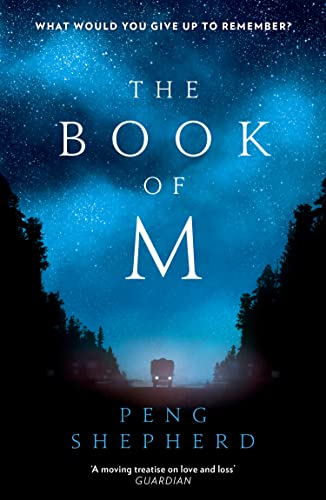
This contemporary novel features a world transformed by a mysterious event where people lose their shadows and memories, creating a compelling journey of survival, love, and the search for meaning in a beautifully strange and altered landscape, echoing Murphy's blend of the familiar and the uncanny.

While spanning multiple genres and time periods, the novel's interconnected narratives, particularly the post-apocalyptic 'Sloosha's Crossin'' section, explore themes of societal collapse, rebuilding, and the enduring human spirit with a lyrical, complex, and deeply philosophical style that fans of Murphy's work will appreciate.

Not sure what they've already read?
Let them pick their next favorite with an Amazon Gift Card.
As an Amazon Associate, we earn from qualifying purchases.
As an Amazon Associate, we earn from qualifying purchases.