

Based on your book
The Coddling of the American Mind
by Greg Lukianoff and Jonathan Haidt
Lukianoff and Haidt examine the unintended consequences of modern campus culture, arguing that well-intentioned efforts to protect students from emotional discomfort have actually weakened their resilience. They trace three primary untruths—that what doesn't kill you makes you weaker, that you should always trust your feelings, and that life is a battle between good and evil people—to explain the rising tide of anxiety and intolerance in universities. The reading experience is clinical yet urgent; the authors act as observers of a social experiment gone wrong, layering psychological research with real-world anecdotes. It feels like sitting in on a rigorous debate about the future of intellectual life. This book is for the reader who finds themselves troubled by the current state of public discourse and wants to understand the underlying mechanics of modern fragility and the erosion of open inquiry.
10 Books similar to 'The Coddling of the American Mind'
If the analytical rigor of this book left you wanting to trace the roots of our current social climate, our curated list will help you expand that inquiry. We have selected these titles to bridge the gap between psychological frameworks and the broader philosophical shifts in our culture. Whether you are looking to understand the mechanics of identity politics, the decline of resilience in the digital age, or the historical importance of free speech, these books share a commitment to questioning ideological conformity and exploring the moral dilemmas defining our generation.
As an Amazon Associate, we earn from qualifying purchases.
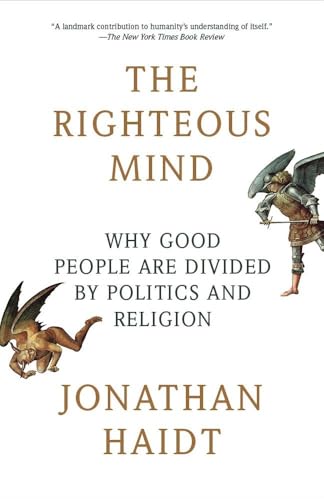
Written by one of the co-authors of The Coddling, this book provides the foundational psychological framework for understanding why people hold such divergent moral and political views. It is essential reading for anyone interested in the cognitive biases and moral intuitions that drive modern polarization.

This book offers a rigorous examination of the arguments for and against free speech, mirroring the intellectual defense of open inquiry found in Lukianoff and Haidt's work. It provides a deeper academic dive into the principles that are currently being challenged in educational and public spheres.

by Greg Lukianoff and Rikki Schlott
Serving as a spiritual successor to The Coddling, this book expands on the theme of censorship and the 'cancel culture' phenomenon. It provides concrete examples and a deeper look at the institutional pressures that stifle open debate in American society.
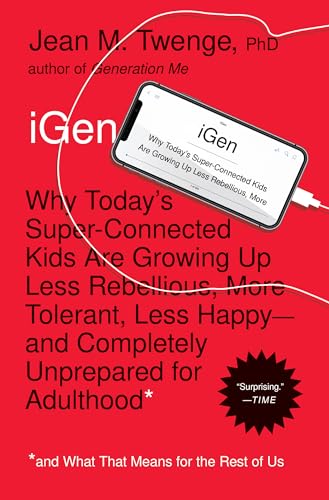
Twenge uses extensive data to track the psychological shifts in the generation discussed in The Coddling, focusing on the impact of smartphones and social media. It complements the 'safetyism' argument by showing the tangible decline in mental health and resilience among young people.

Not sure what they've already read?
Let them pick their next favorite with an Amazon Gift Card.
As an Amazon Associate, we earn from qualifying purchases.

This classic text explores the historical importance of the 'liberal science'—the process of open criticism and debate—which is central to the arguments presented in The Coddling. It is a powerful defense of intellectual humility and the necessity of being offended in a free society.

Murray examines the modern obsession with identity politics and the resulting social pressures that mirror the 'call-out culture' described by Lukianoff and Haidt. Readers who appreciate the critique of ideological conformity will find this analysis deeply resonant.

Haidt shifts his focus to the childhood experience, arguing that a 'play-based' childhood has been replaced by a 'phone-based' one, leading to widespread anxiety. It provides the developmental context for the mental health crisis mentioned in The Coddling.

Sandel critiques the meritocratic ideal, arguing that it has created a divide between the 'winners' and 'losers' of the modern economy, fueling resentment and political instability. It offers a broader sociological perspective on the societal tensions that underlie the coddling phenomenon.

by Jon Ronson
Ronson investigates the phenomenon of online shaming and the mob mentality that can destroy lives in an instant, providing a narrative-driven look at the dangers of social media policing. It illustrates the real-world consequences of the culture described in The Coddling.

by Helen Pluckrose and James Lindsay
This book traces the philosophical origins of the ideas that have permeated academia and now influence broader culture, specifically regarding identity and power. It is a vital resource for those looking to understand the intellectual roots of the trends discussed by Lukianoff and Haidt.

Prefer to listen?
Try Audible and hear the story instead of reading it.
As an Amazon Associate, we earn from qualifying purchases.
As an Amazon Associate, we earn from qualifying purchases.