

Based on your book
The Comfort Crisis
by Easter, Michael
Michael Easter argues that our modern lives, defined by constant convenience and climate-controlled safety, have left us physically and mentally brittle. To test his theory, he embeds himself in the Alaskan backcountry with a group of hunters, using this extreme physical challenge as a lens to examine why we suffer in the midst of such abundance. The writing is analytical yet deeply personal, balancing evolutionary biology with boots-on-the-ground reporting. You will feel the biting cold and the exhaustion of his trek, but you will also walk away with a philosophical framework for why intentional discomfort might be the missing piece of your health and happiness. This book is for the reader who suspects that life has become too soft and wants a scientific, rigorous, and practical argument for why we should deliberately seek out difficulty to feel truly alive.
10 Books similar to 'The Comfort Crisis'
Since you enjoyed the blend of evolutionary science and rugged self-improvement in The Comfort Crisis, these ten titles were selected to deepen your understanding of human potential. We curated this list to bridge the gap between biological necessity and psychological resilience. Whether you are interested in the restorative power of the natural world found in The Nature Fix or the intense mental fortitude discussed in Endure, these books expand on the idea that we are built for struggle. They offer a comprehensive toolkit for anyone looking to reclaim their ancestral strength in an overly comfortable world.
As an Amazon Associate, we earn from qualifying purchases.

Like Easter, McDougall blends rigorous scientific research with personal adventure to challenge modern assumptions about human physical capability. It explores the idea that our bodies are designed for endurance and discomfort, mirroring the core thesis of The Comfort Crisis.

This book provides a deep psychological analysis of how humans react to extreme, life-threatening situations, which complements Easter's exploration of how we handle stress. It is a compelling look at the resilience of the human mind when stripped of modern conveniences.

by James Nestor
Nestor takes a common, overlooked biological function and investigates how modern living has degraded our health, much like Easter does with physical discomfort. It is an eye-opening exploration of how simple, ancestral practices can drastically improve modern well-being.
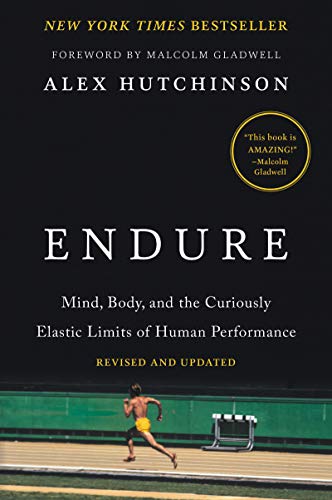
Hutchinson dives into the science of human limits, examining how the brain dictates our physical boundaries, which aligns perfectly with Easter's focus on pushing past perceived limitations. It provides a fascinating look at the intersection of biology and psychology in athletic performance.

Not sure what they've already read?
Let them pick their next favorite with an Amazon Gift Card.
As an Amazon Associate, we earn from qualifying purchases.

While more memoir-focused, Strayed's journey mirrors the 'discomfort as medicine' theme found in The Comfort Crisis, showing how physically demanding environments can catalyze personal transformation. Readers who enjoyed the narrative aspect of Easter's research will appreciate this raw, honest account.
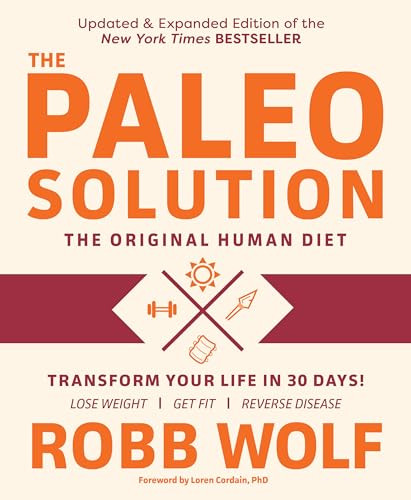
by Robb Wolf
This book serves as a foundational text for the ancestral health movement, exploring how modern diets and lifestyles clash with our evolutionary biology. It provides the nutritional and biological context that underpins many of the arguments Easter makes regarding our 'comfort trap.'

by Jon Krakauer
This classic account of survival and tragedy on Mount Everest serves as a harrowing case study in what happens when humans push themselves into environments where comfort is non-existent. It is a gripping narrative that illustrates the extreme physical and mental stakes of the wilderness.

by Sendhil Mullainathan and Eldar Shafir
This book explores the psychology of scarcity, which offers a fascinating counterpoint to Easter's focus on the problems of abundance. It helps readers understand how our brains are wired to handle lack, providing a broader context for why we struggle with the 'comfort crisis.'

Williams investigates the science behind why being in nature makes us happier, healthier, and more creative, directly supporting Easter's arguments about our disconnection from the natural world. It is a well-researched, accessible look at the restorative power of the outdoors.

Taleb's philosophical framework argues that certain systems—and people—actually thrive on stress and volatility, which is the intellectual bedrock of Easter's 'comfort crisis' thesis. It is a dense but rewarding read for anyone interested in why modern safety nets might be making us weaker.

Prefer to listen?
Try Audible and hear the story instead of reading it.
As an Amazon Associate, we earn from qualifying purchases.
As an Amazon Associate, we earn from qualifying purchases.