
Based on your book
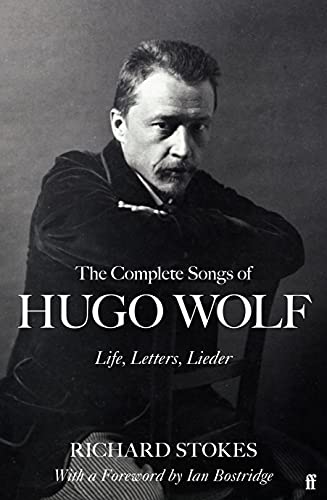
The Complete Songs of Hugo Wolf
by Stokes, Richard
Richard Stokes has compiled an exhaustive, meticulous guide to Hugo Wolf's entire song output, serving as both a reference work and a profound meditation on the marriage of poetry and music. This is not a book to be rushed; it demands the reader sit with a score or a recording, carefully weighing Stokes's translations and analytical notes against the shifting emotional landscape of the Lieder. The experience is intimate and cerebral, akin to a private seminar with a brilliant, patient tutor who understands the neurotic brilliance of Wolf's creative mind. It is perfectly suited for the serious musicologist, the dedicated performer, or the listener who finds beauty in the intersection of linguistic nuance and harmonic complexity. If you want to understand exactly how Wolf transformed a few lines of verse into a psychological universe, this is your primary text.
10 Books similar to 'The Complete Songs of Hugo Wolf'
If the analytical rigor of Stokes's volume left you craving more, these selections expand on the fin-de-siecle Viennese atmosphere and the technical evolution of the art song. We chose these titles because they mirror the way Stokes bridges the gap between literary critique and musical composition. Whether you are interested in the performative challenges highlighted by Graham Johnson or the historical, crumbling grandeur of Stefan Zweig's Vienna, these books collectively unpack the tension between the artist's personal demons and their creative output, providing a complete map of the Romantic tradition.
As an Amazon Associate, we earn from qualifying purchases.

As one of the most authoritative voices on the German art song repertoire, Fischer-Dieskau provides an essential companion to understanding the vocal tradition that Hugo Wolf mastered. This collection offers a deep, scholarly exploration of the poetry behind the music, making it a perfect follow-up for anyone fascinated by the intersection of text and melody.

Bostridge, a renowned tenor, offers an intensely personal and scholarly examination of Schubert's song cycle, mirroring the deep-dive approach Richard Stokes takes with Wolf. It captures the same melancholy, obsession, and psychological complexity found in the late Romantic Lieder tradition.
by Frank Walker
To truly understand the songs, one must understand the tumultuous and often tragic life of the composer himself. This definitive biography provides the necessary biographical context that explains the raw emotional intensity and psychological turbulence present in Wolf's compositions.
Mahler was a contemporary of Wolf, and his correspondence offers a window into the same fin-de-siècle Viennese musical world. Readers who enjoy the intellectual rigor of Stokes's work will appreciate the primary source perspective on the artistic struggles and aesthetic philosophy of the era.

Not sure what they've already read?
Let them pick their next favorite with an Amazon Gift Card.
As an Amazon Associate, we earn from qualifying purchases.

Rosen provides a masterful, scholarly analysis of the musical language of the Romantic era, placing Wolf's innovations in a broader historical context. It is an essential read for those who want to understand the technical and aesthetic evolution of the songs described in Stokes's volume.

This collection of essays provides a comprehensive overview of the genre that Hugo Wolf brought to its absolute zenith. It bridges the gap between the musicology of the songs and the literary quality of the poems, much like the detailed annotations in Stokes's work.

by Stefan Zweig
Zweig’s memoir captures the vanishing intellectual and cultural world of Vienna, the very same world that nurtured Hugo Wolf's genius. It provides the perfect atmospheric and historical backdrop for the emotional landscape of the songs.

by Eric Sams
Sams is a legendary figure in the study of Lieder, and his specific analysis of Wolf’s songs is both insightful and deeply appreciative. His writing style complements Stokes's work by focusing on the specific harmonic and melodic choices that define Wolf's unique, often neurotic, genius.
Johnson, a preeminent authority on the art song, explores the collaborative relationship between singers and composers, which is central to performing Wolf. This book offers the practical, performance-based perspective that complements the text-based analysis in Stokes's work.
This book examines the delicate balance between the poet's intent and the composer's interpretation, a central theme of Richard Stokes's work. It is an essential read for anyone who wants to understand why Wolf is considered the supreme 'poet's composer' among Lieder writers.

Prefer to listen?
Try Audible and hear the story instead of reading it.
As an Amazon Associate, we earn from qualifying purchases.
As an Amazon Associate, we earn from qualifying purchases.