

Based on your book
The Creature from Jekyll Island
by G. Edward Griffin
The Creature from Jekyll Island pulls back the curtain on the origins and operations of the Federal Reserve, positing that this powerful institution isn't quite what it seems. Griffin meticulously details the secret meeting where the Fed was allegedly conceived, painting a picture of a system designed to serve specific interests rather than the public good. Reading it feels like being let in on a long-held secret, a detailed exposé that challenges your understanding of how money, power, and government truly intertwine. It’s a dense, fact-heavy journey, but one that rewards readers who enjoy connecting the dots and seeing the broader, often unsettling, implications of historical decisions. This book is for anyone who thrives on critical analyses of power structures, enjoys a deep dive into financial history, and isn't afraid to question the official narrative about the forces shaping our economic world. It will certainly give you plenty to think about long after you turn the last page.
10 Books similar to 'The Creature from Jekyll Island'
If you found yourself gripped by the intricate exposé in The Creature from Jekyll Island, eager to peel back more layers of economic power, then our curated list is for you. These books continue the conversation, offering more historical deep dives and behind-the-scenes looks at how financial systems truly operate. From the personal confessions of an economic hit man to scholarly critiques of capital, you'll find similar examinations of corruption exposed and a critical lens applied to the establishment. Each recommendation challenges conventional wisdom, exploring the hidden mechanisms that shape our global economy and the powerful figures behind them.
As an Amazon Associate, we earn from qualifying purchases.

by John Perkins
This book delves into the hidden mechanisms of global economics and the author's role in shaping economies, paralleling 'The Creature from Jekyll Island's' exploration of financial systems.
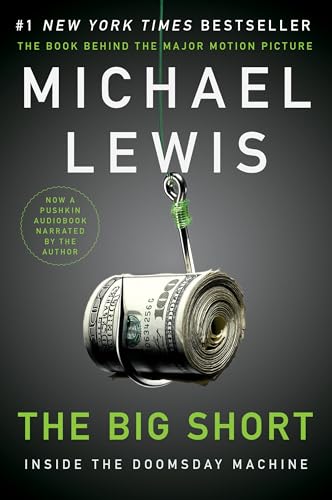
Michael Lewis offers an engaging narrative about the financial crisis of 2008, focusing on the mechanisms of Wall Street, akin to Griffin's exploration of the Federal Reserve.

This historical account of central bankers during the Great Depression provides insights into financial power and its global impact, similar to themes in Griffin's work.

Ferguson's book offers a comprehensive history of money and finance, exploring themes of economic power and history that resonate with Griffin's narrative.

Prefer to listen?
Try Audible and hear the story instead of reading it.
As an Amazon Associate, we earn from qualifying purchases.

Sorkin's detailed account of the 2008 financial crisis and the interplay between politics and finance echoes Griffin's examination of financial systems.

Graeber's exploration of the history and cultural significance of debt provides a deep dive into economic systems, complementing the themes of financial critique in Griffin's book.

by Naomi Klein
Klein investigates how economic policies have been used to exploit crises, a theme that parallels Griffin's exploration of control and influence within financial systems.
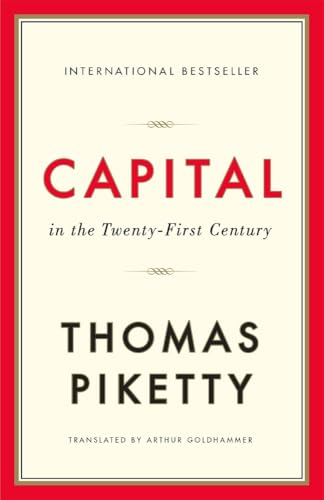
Piketty's analysis of wealth and inequality provides a scholarly approach to economic themes that align with Griffin's exploration of financial power structures.

by Ron Paul
Written by a former congressman, this book critiques the Federal Reserve, offering a perspective on monetary policy similar to the themes in Griffin's work.

by Mervyn King
King provides insights into the financial crisis and the future of banking, themes that resonate with Griffin's exploration of economic systems.

Love to read on the go?
Explore Kindle e-readers and take your books with you.
As an Amazon Associate, we earn from qualifying purchases.
As an Amazon Associate, we earn from qualifying purchases.