

Based on your book
The Crowd
by Le Bon, Gustave
Gustave Le Bon wrote this at the end of the nineteenth century, and it reads like a cold, surgical autopsy of the human psyche when it stops being individual and starts being a collective. He argues that once people congregate, they undergo a psychological transformation, shedding their critical faculties in favor of a shared, primitive impulse. The prose is detached and bracingly cynical, stripping away any romantic notions of the wisdom of the masses. You will not find comfort here; instead, you get a sharp, analytical look at how easily people are swayed by symbols, charismatic leaders, and emotional contagion. It is a dense, philosophical exercise in understanding the mechanics of social influence. This is essential reading for anyone interested in political science or sociology who wants to understand why groups act with such frightening, irrational consistency.
10 Books similar to 'The Crowd'
If the unsettling mechanics of groupthink in The Crowd kept you up at night, these selections offer a deeper look into the anatomy of social control. We chose these titles because they bridge the gap between Le Bon's early theories and the practical, modern realities of propaganda and mass mobilization. Whether you are interested in the historical rise of totalitarianism or the psychological burden of individual freedom, these books explore how power dynamics shape the collective subconscious. They provide the necessary context to understand how the madness of crowds manifests in everything from financial bubbles to political revolutions.
As an Amazon Associate, we earn from qualifying purchases.

by Eric Hoffer
Hoffer's seminal work serves as a perfect companion to Le Bon, exploring the psychological mechanisms that drive individuals to join mass movements and fanatic causes. It offers the same analytical rigor and deep insight into the dangerous allure of collective identity that Le Bon pioneered.

Written by the father of public relations, this book exposes the methods used to influence and control the public mind, effectively operationalizing Le Bon's theories on crowd manipulation. It is an essential read for understanding how the collective subconscious is shaped by those in power.

Arendt provides a profound historical and philosophical analysis of how atomized individuals succumb to the lure of totalitarian movements. Like Le Bon, she is deeply concerned with the fragility of individual judgment when faced with the overwhelming force of mass ideology.

While fiction, Orwell's masterpiece vividly dramatizes the psychological consequences of crowd mentality, state-enforced conformity, and the loss of individual autonomy. Readers of Le Bon will recognize the terrifying efficiency of the 'mob' and the manipulation of truth described in the novel.

Not sure what they've already read?
Let them pick their next favorite with an Amazon Gift Card.
As an Amazon Associate, we earn from qualifying purchases.

This classic historical study chronicles the history of mass hysteria, financial bubbles, and irrational collective behavior throughout the centuries. It provides the historical evidence and narrative examples that complement Le Bon's theoretical framework.

Ortega y Gasset analyzes the rise of the 'mass-man' in modern society, arguing that the dominance of the mediocre collective threatens the foundations of civilization. It shares Le Bon's elitist, critical perspective on the dangers of unchecked mass influence.
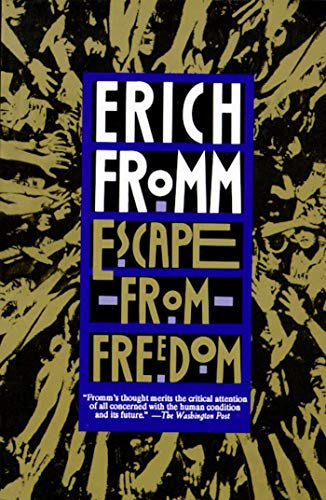
by Erich Fromm
Fromm explores the psychological burden of modern freedom and why individuals often seek to escape it by submitting to authoritarian leaders or conformist groups. This bridges the gap between Le Bon's crowd psychology and psychoanalytic theory.

This allegorical novel serves as a microcosm of Le Bon's theories, showing how quickly a group of individuals descends into savage, irrational behavior when social structures collapse. It is a gripping narrative exploration of the dark side of human social dynamics.

Hobsbawm offers a comprehensive historical view of the century defined by mass movements, revolutions, and total war. Readers interested in Le Bon's theories will find this an invaluable context for how those theories played out on a global, historical scale.
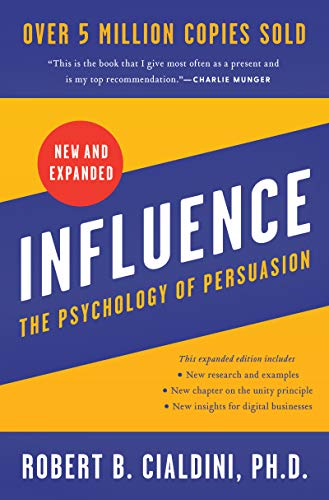
Cialdini provides a modern, scientific look at the 'weapons of influence' that allow individuals to be manipulated by groups and authority figures. It is the practical, evidence-based successor to Le Bon's foundational observations on human suggestibility.

Prefer to listen?
Try Audible and hear the story instead of reading it.
As an Amazon Associate, we earn from qualifying purchases.
As an Amazon Associate, we earn from qualifying purchases.