

Based on your book
The Cure for Everything
by Williams, Michelle A.
Timothy Caulfield sets out to untangle the messy, often contradictory web of health advice we consume daily. Instead of just listing what you should or should not do, he puts his own life on the line, subjecting himself to various wellness trends, fad diets, and celebrity-endorsed protocols to see what actually holds up under scrutiny. The writing is sharp and refreshingly skeptical, balancing investigative rigor with a relatable, human curiosity. You will find yourself laughing at the absurdity of some of these claims while feeling genuinely empowered to stop chasing the next quick fix. This is an ideal read for anyone who feels overwhelmed by the constant noise of the wellness industry and wants to regain a sense of clarity. It is not about feeling guilty for your choices, but about making better ones based on actual evidence rather than marketing hype.
10 Books similar to 'The Cure for Everything'
If the analytical rigor of Caulfield's journey resonated with you, these titles extend that spirit of inquiry into broader territories. We selected these books because they share a commitment to dismantling pseudoscience and navigating the complex intersection of media and medical truth. Whether you are interested in the historical absurdity of failed treatments or the systemic biases within the scientific community, these picks provide the necessary tools to sharpen your critical thinking. They turn the lens toward the influencers and institutions that shape our health, helping you reclaim your agency in an age of misinformation.
As an Amazon Associate, we earn from qualifying purchases.

Like Caulfield's work, this book masterfully blends investigative journalism with deeply personal narratives to expose the complexities of the medical industry. Readers will appreciate the rigorous research and the way it challenges common assumptions about healthcare and ethics.

by Ben Goldacre
This book shares the exact same skeptical, analytical spirit as Caulfield's work, dismantling pseudoscience and health myths with wit and clarity. It is perfect for readers who enjoyed the debunking aspect of 'The Cure for Everything'.

by Simon Singh and Edzard Ernst
If you appreciated the evidence-based approach of Caulfield, this book is an essential follow-up that rigorously examines the efficacy of alternative medicine. It maintains a similar tone of objective inquiry and scientific integrity.
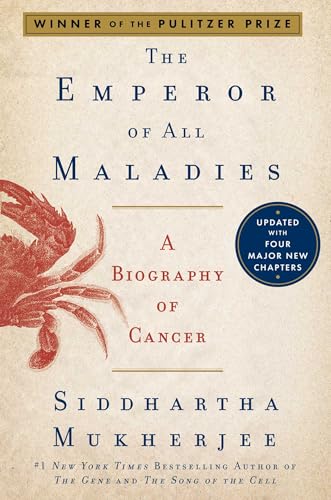
While more sweeping in scope, this book offers the same deep dive into the history and reality of medical science that readers of health-focused non-fiction crave. It balances the human element of suffering with the cold, hard facts of scientific progress.

Prefer to listen?
Try Audible and hear the story instead of reading it.
As an Amazon Associate, we earn from qualifying purchases.
Fans of Caulfield's investigative style will enjoy this exploration of how industries manipulate public perception and science to serve their own ends. It mirrors the 'debunking' vibe and the focus on how misinformation impacts our collective well-being.

by Seth Mnookin
This book tackles the intersection of bad science, media frenzy, and public health, much like 'The Cure for Everything'. It provides a compelling look at how misinformation spreads and the real-world consequences of ignoring scientific consensus.

This book serves as a perfect companion piece, focusing on the systemic issues within the scientific community itself. Readers who enjoyed learning about the flaws in health messaging will find this critique of scientific methodology equally fascinating.
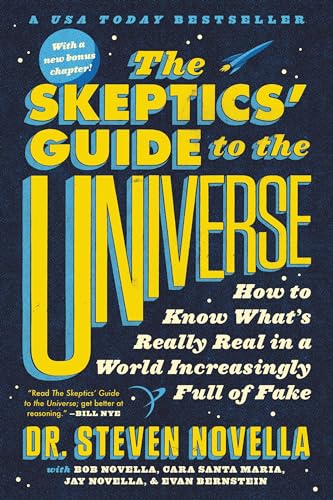
This book is essentially a toolkit for the kind of critical thinking Caulfield advocates for throughout his career. It is highly accessible, humorous, and deeply informative, making it a natural next read for fans of science communication.

by Lydia Kang and Nate Pedersen
For those who enjoyed the historical context of medical myths in Caulfield's work, this book offers a fascinating, slightly macabre look at past medical failures. It is engaging, well-researched, and highlights the absurdity of historical health trends.

This book explores the broader political and social implications of the anti-science movement, providing a macro-view of the issues Caulfield addresses on a personal health level. It is a must-read for those concerned with how science is treated in the public sphere.

Love to read on the go?
Explore Kindle e-readers and take your books with you.
As an Amazon Associate, we earn from qualifying purchases.
As an Amazon Associate, we earn from qualifying purchases.