

Based on your book
The Dance of Anger
by Lerner, Harriet
Harriet Lerner treats anger not as a character flaw or a destructive force to be suppressed, but as a vital signal. The book serves as a diagnostic tool for understanding the repetitive, often circular arguments we get stuck in with the people closest to us. Instead of focusing on changing others, Lerner flips the script, teaching you how to identify your own patterns and move out of the reactive roles you have been playing for years. The writing is sharp, clinical yet deeply empathetic, and feels like a long, productive session with a therapist who refuses to let you off the hook. It is a methodical guide for anyone who feels stuck in the same family drama or relationship gridlock, offering a clear path toward reclaiming your own agency and emotional clarity.
10 Books similar to 'The Dance of Anger'
Since you found value in the way Lerner dissects interpersonal dynamics, these selections were curated to deepen your practice of self-regulation and boundary setting. Whether you are exploring attachment theory or learning the mechanics of nonviolent communication, these titles build on the foundation of emotional intelligence established in The Dance of Anger. They are meant for readers who want to move beyond just understanding their reactions to actually transforming their communication styles. Each book offers a distinct, practical framework for breaking the cycles of codependency and power struggles that keep us from authentic connection.
As an Amazon Associate, we earn from qualifying purchases.

by Henry Cloud and John Townsend
Like Lerner's work, this book focuses on the essential role of personal boundaries in maintaining healthy relationships. It provides practical, psychological tools for those struggling to assert themselves without guilt.

by Amir Levine and Rachel Heller
This book offers a deep dive into the psychological patterns that dictate our behavior in relationships, much like Lerner's exploration of emotional reactivity. It helps readers understand their own 'dance' with partners through the lens of attachment theory.

by Brené Brown
Brené Brown's work complements Lerner's by shifting the focus from anger as a signal to vulnerability as a strength. Both authors encourage readers to examine their emotional responses to break free from destructive relational cycles.

If 'The Dance of Anger' explains why we get angry, this book provides the practical linguistic framework to express that anger constructively. It is an essential companion for anyone looking to change how they communicate within their family systems.

Not sure what they've already read?
Let them pick their next favorite with an Amazon Gift Card.
As an Amazon Associate, we earn from qualifying purchases.

This book expands on the family systems theory often touched upon by Lerner, helping readers understand the root causes of their relational struggles. It provides profound clarity on why we repeat certain patterns with our parents and partners.

A classic in the field of relational psychology, this book mirrors Lerner's focus on detaching from the emotional chaos of others. It is a foundational text for anyone learning to take responsibility for their own feelings rather than managing those of their family members.
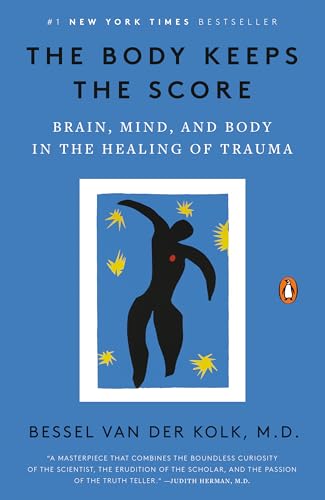
While more clinical than Lerner's work, this book explains the physiological roots of the emotional reactions that often fuel our 'dances' of anger. It provides a deeper scientific context for why we react the way we do in stressful relational moments.

This is a modern, highly actionable follow-up to the themes Lerner pioneered, focusing on the direct application of boundary-setting. It is perfect for readers who appreciated the 'how-to' aspects of Lerner's advice on managing difficult family dynamics.

by Douglas Stone, Bruce Patton, and Sheila Heen
This book bridges the gap between psychological insight and practical negotiation, much like Lerner's advice on changing the 'dance' through new communication strategies. It is an essential read for those who want to turn their anger into productive dialogue.

This memoir provides a narrative look at the therapeutic process, illustrating the very patterns Lerner discusses in her work. It offers a compassionate, human look at the struggles of self-discovery and the difficulty of changing one's own behavioral patterns.

Prefer to listen?
Try Audible and hear the story instead of reading it.
As an Amazon Associate, we earn from qualifying purchases.
As an Amazon Associate, we earn from qualifying purchases.